Seoul Mid-Priced Districts, Gwangmyeong, Seongnam and Dongtan Join Gangnam-Led Price Catch-Up
The Seoul metropolitan housing market is seeing a price catch-up cycle after early gains in Gangnam, Seocho and Yongsan. Buyers are turning to lower-priced Seoul districts and nearby Gyeonggi cities with good access to the capital. Trading is more active in less-regulated areas, while high-priced core districts face thinner transactions. The market is being
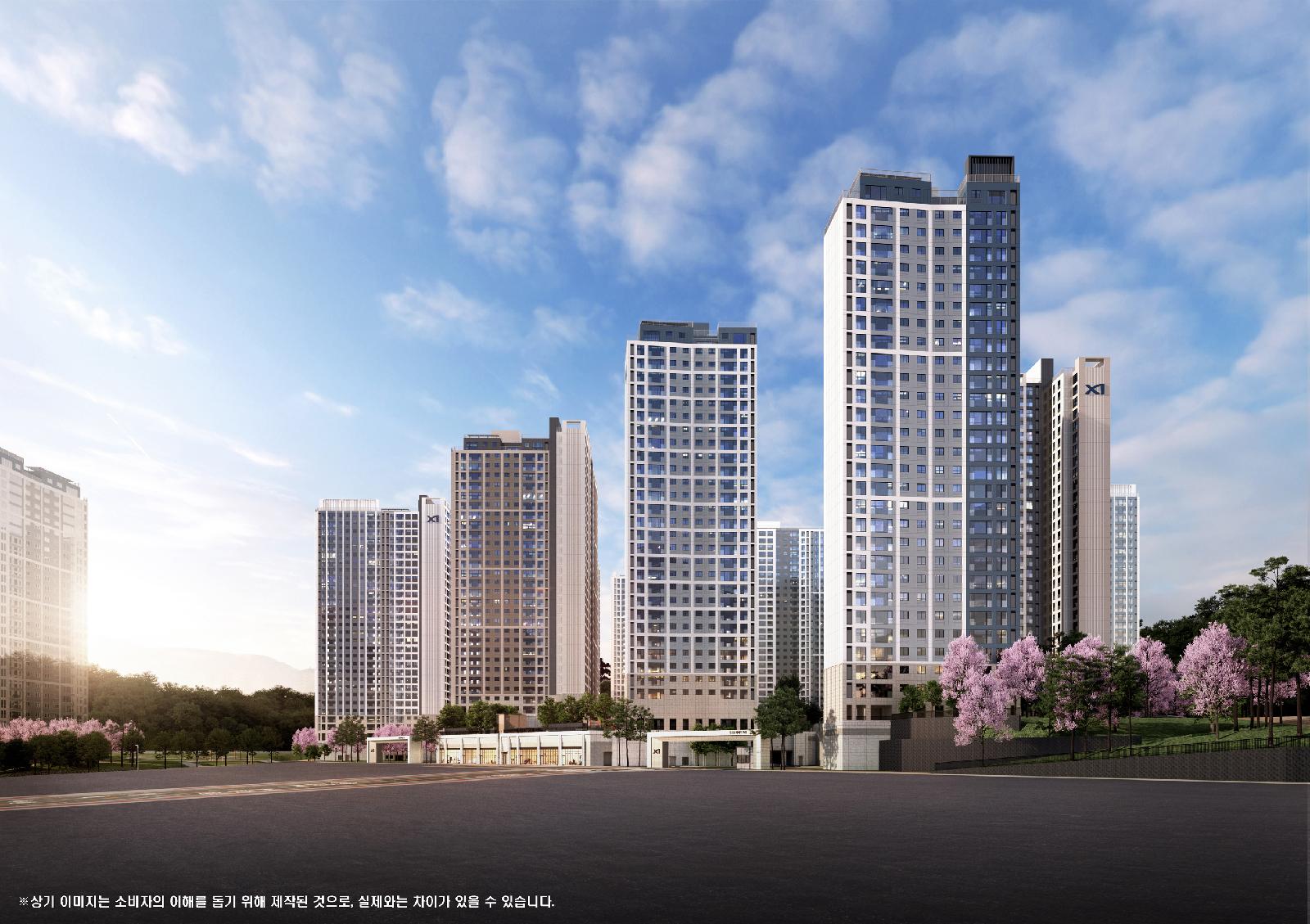
The main trend in the metropolitan housing market this first half is a Gangnam-led price catch-up. After high-priced core districts such as Gangnam, Seocho and Yongsan moved first, buying demand shifted toward lower-priced Seoul neighborhoods and Gyeonggi cities with strong Seoul access, including Gwangmyeong, Seongnam, Hanam, Guri and Dongtan.
Where Demand Moved
In Seoul, attention has moved to districts with more mid- and lower-priced apartment stock. Buyers priced out of the core are searching for homes where the gap with Gangnam has not yet closed. In Gyeonggi, cities that share commuting and living networks with Seoul are reacting first. Dongtan is also drawing interest on the strength of metropolitan transport links and new-town infrastructure.
Less-Regulated Markets Lead Trading
Transactions are more active in areas with lighter regulatory pressure. Korea’s housing rules on lending, tax and resale limits affect regions differently, pushing buyers to locations where the same budget can secure more space or newer apartments. By contrast, Gangnam, Seocho and Yongsan are seeing fewer trades as prices and funding burdens remain high. This does not mean the cycle has ended; it shows that demand is spreading to more affordable price bands.
Outlook for Buyers
The current movement is less a speculative surge than a regional repricing. Demand is moving where the gap with Seoul’s top-tier districts still looks wide and where transport or living infrastructure is already in place. Still, not every non-regulated area will rise equally. Supply, jeonse ratios, interest costs and available loan amounts will decide real affordability. If core Seoul prices remain firm, the catch-up trend in mid-priced Seoul areas and nearby Gyeonggi cities is likely to continue.
Key points
- The Seoul metropolitan housing market is seeing a price catch-up cycle after early gains in Gangnam, Seocho and Yongsan. Buyers are turning to lower-priced Seoul districts and nearby Gyeonggi cities with good access to the capital. Trading is more active in less-regulated areas, while high-priced core districts face thinner transactions. The market is being
- Use the body and FAQ context before acting on this update.
- Compare with related issues inside the category hub.
FAQ
Where has the metropolitan price rise spread?
It has moved from Gangnam, Seocho and Yongsan into lower-priced Seoul districts and nearby Gyeonggi cities such as Gwangmyeong, Seongnam, Hanam, Guri and Dongtan.
Why are non-regulated areas seeing more activity?
They carry relatively lighter lending, tax and resale restrictions, allowing buyers to seek larger homes or newer apartments within the same budget.
Does lower trading in Gangnam, Seocho and Yongsan mean prices are falling?
Not necessarily. Transactions have slowed because prices and funding burdens are high, while demand is moving into more affordable nearby markets.
Latest stories
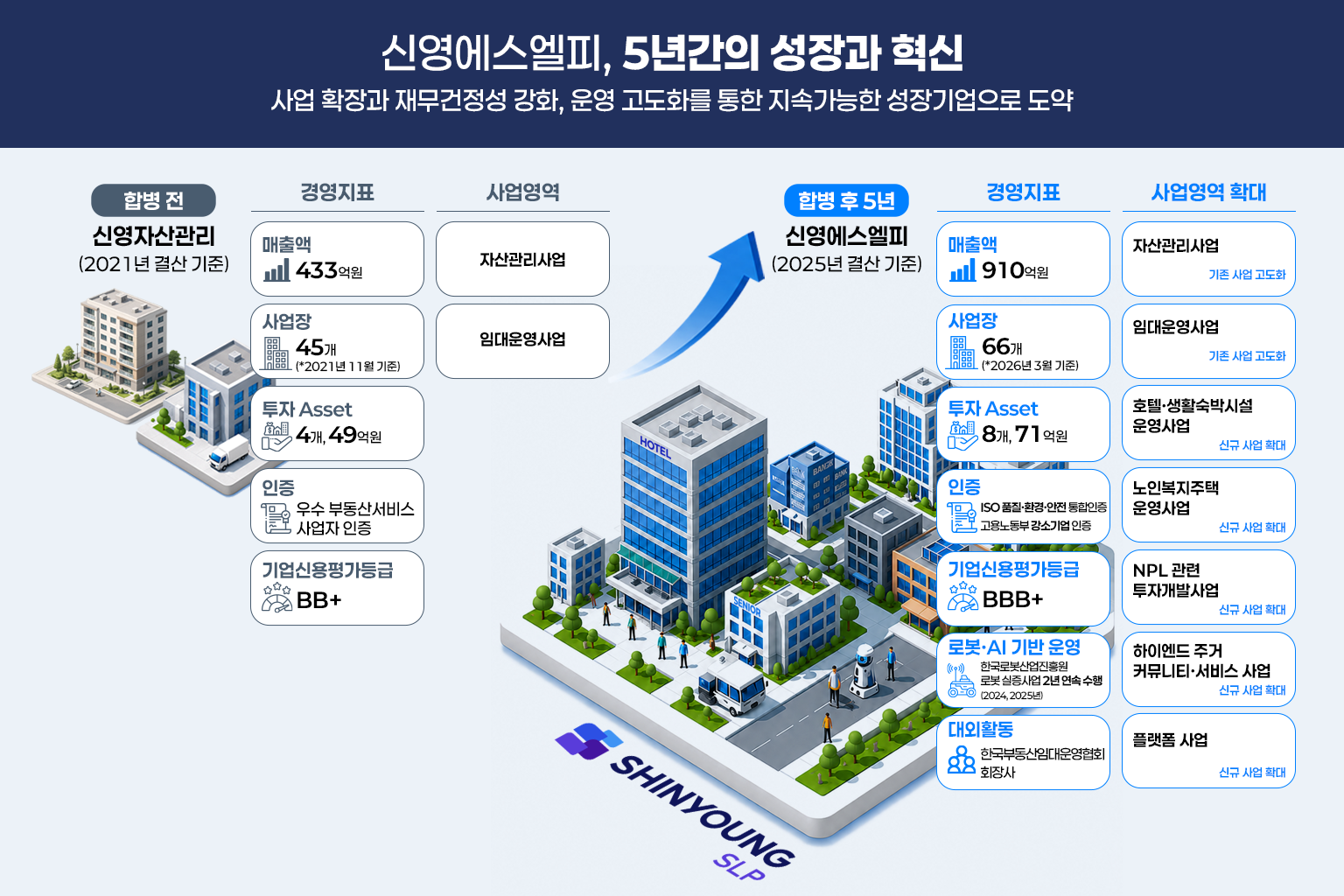
Shinyoung SLP Launches as SL Platform Rebrands for AI Real Estate Operations
SL Platform changed its corporate name to Shinyoung SLP on June 22. The new name reflects an expanded role from real estate service platform operator to AI-based property operations specialist. In Korea’s property market, competition is moving toward data, automation, cost control, and tenant experience.
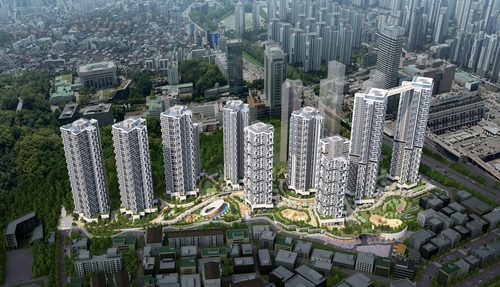
Banpo Mido 1st Reconstruction Clears Review, Paving Way for 1,743 Homes in Seoul
Banpo Mido 1st Apartment in Seocho-gu, Seoul, has passed integrated review for reconstruction into a 1,743-home residential complex. The project will replace an aging 39-year-old complex in one of Seoul’s prime Han River locations. Alongside development in Yongsan and Seongsu, it highlights the renewed focus on improving housing quality and supply in central
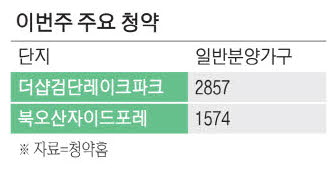
Geomdan and Osan lead Korea’s 5,594-unit apartment subscription week
Korea’s new-apartment subscription market will receive applications for 5,594 units at 12 sites from June 22 to 26. In the capital region, a price-ceiling mega complex in Geomdan New Town and supply in Osan are the main focus. Buyers are expected to compare price, financing, resale restrictions and residence rules before applying.

Incheon Geomdan Royal Park City II Opens Applications for 383 Company-Held Homes on June 25
Applications for 383 company-held homes at Royal Park City II in Incheon Geomdan will begin on June 25. The supply gives end-users another route into a new apartment in the Geomdan area. Applicants should review eligibility, payment schedules, financing, contract terms, and Korean housing rules before applying.