Seoul Median-Income Households Find Apartments Out of Reach Despite 6.8 Million Won Pay
Housing affordability for Seoul’s median-income households is weakening. A monthly income of roughly 6.8 million won is no longer enough when high apartment prices, lending caps and upfront cash needs overlap. Even under a 70% LTV assumption, taxes, fees and interest burdens reduce real purchasing power. The market is shifting toward buyers with large cash r
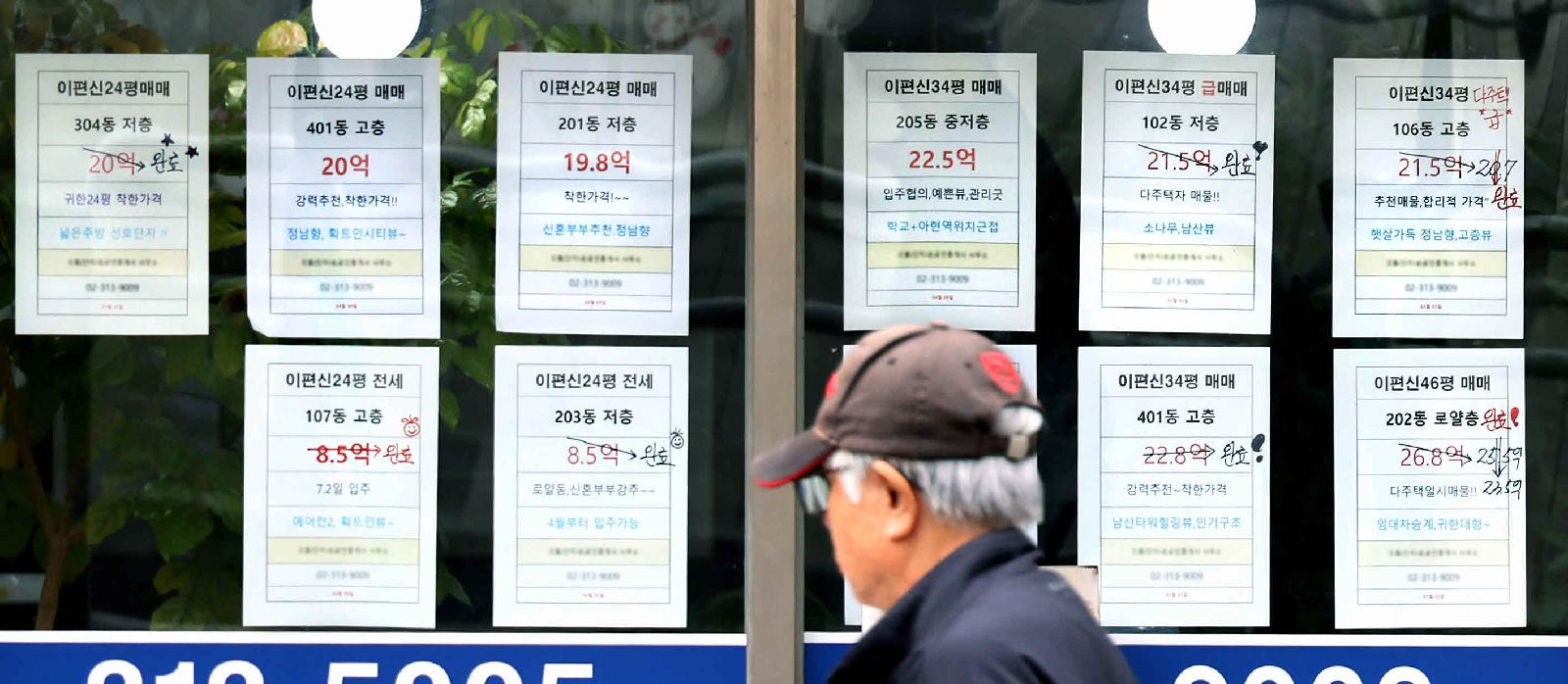
Seoul apartments are moving further beyond the reach of median-income households. A household earning around 6.8 million won a month, or about 81.6 million won a year, may look financially stable on paper, but that income is increasingly insufficient in the capital’s housing market.
Income Alone Is Not Enough
Apartment prices in Seoul have risen faster than the purchasing power of ordinary wage-earning households. Buyers cannot borrow the full purchase price, and monthly repayment capacity also matters. As a result, the number of apartments that a median-income household can realistically buy with a mortgage has sharply narrowed.
The 70% LTV Limit Still Requires Large Cash
A 70% LTV means a 1 billion won apartment could be financed with up to 700 million won in loans, leaving at least 300 million won in cash before taxes and transaction costs. For a 1.2 billion won unit, the required cash rises to at least 360 million won. That equals about 4.4 years of gross income for a household earning 81.6 million won annually. Once acquisition tax, brokerage fees, moving costs and interest payments are included, the real pool of affordable homes becomes smaller.
Cash-Rich Buyers Gain the Advantage
Tighter lending rules favor buyers who already hold significant cash. Households with stable income but limited savings face fewer choices in preferred Seoul districts, while cash-heavy buyers are less exposed to borrowing limits. Unless upfront cash burdens ease, median-income households are likely to keep looking beyond core Seoul areas or postpone purchases.
Key points
- Housing affordability for Seoul’s median-income households is weakening. A monthly income of roughly 6.8 million won is no longer enough when high apartment prices, lending caps and upfront cash needs overlap. Even under a 70% LTV assumption, taxes, fees and interest burdens reduce real purchasing power. The market is shifting toward buyers with large cash r
- Use the body and FAQ context before acting on this update.
- Compare with related issues inside the category hub.
FAQ
Can a household earning 6.8 million won a month buy a Seoul apartment?
Only in limited cases. High prices, cash requirements, taxes and repayment burdens sharply reduce the number of affordable units.
Why is a 70% LTV still restrictive?
It still requires at least 30% of the purchase price in cash, plus taxes, fees and other transaction costs.
Who benefits most from tighter loan rules?
Buyers with large cash reserves benefit because they depend less on mortgages and face fewer financing constraints.
Latest stories
Gangnam Standalone Apartment Redevelopments Restart as Price Gains Revive Feasibility
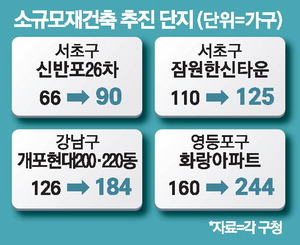
Small redevelopment sites in Gangnam are regaining momentum. Projects slowed by surging construction costs and weak feasibility are being recalculated as nearby new apartment prices climb. The burden on association members remains high because public-sale units are limited. Future progress depends on construction costs, rates and Gangnam price trends.
Seun District 4 redevelopment near Jongmyo gains momentum as Seoul reviews heritage assessment
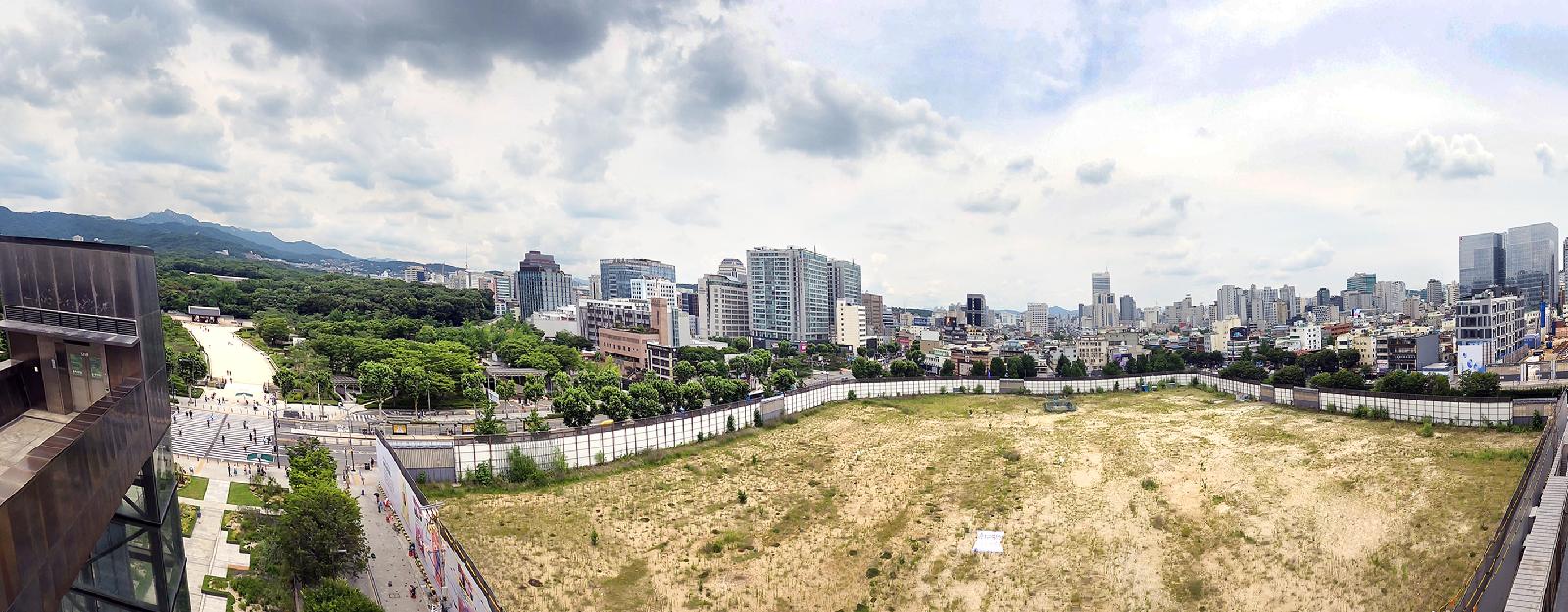
Seoul is considering accepting a World Heritage assessment for the Seun District 4 redevelopment. The move is intended to settle disputes and accelerate approval of changes to the project plan. Resident consent is required before the assessment can begin. If the process leads to lower building heights, opposition may intensify.

Korea Real Estate Development Industry Institute to Launch With June 25 Symposium
The Korea Developer Association is expanding its policy research office into the Korea Real Estate Development Industry Institute. The founding symposium will be held at 2 p.m. on June 25 at IT Square on the second floor of Oakwood Premier Coex Center. The institute will focus on policy research, market analysis and institutional improvement for Korea’s real
Shinyoung SLP Launches as SL Platform Rebrands for AI Real Estate Operations
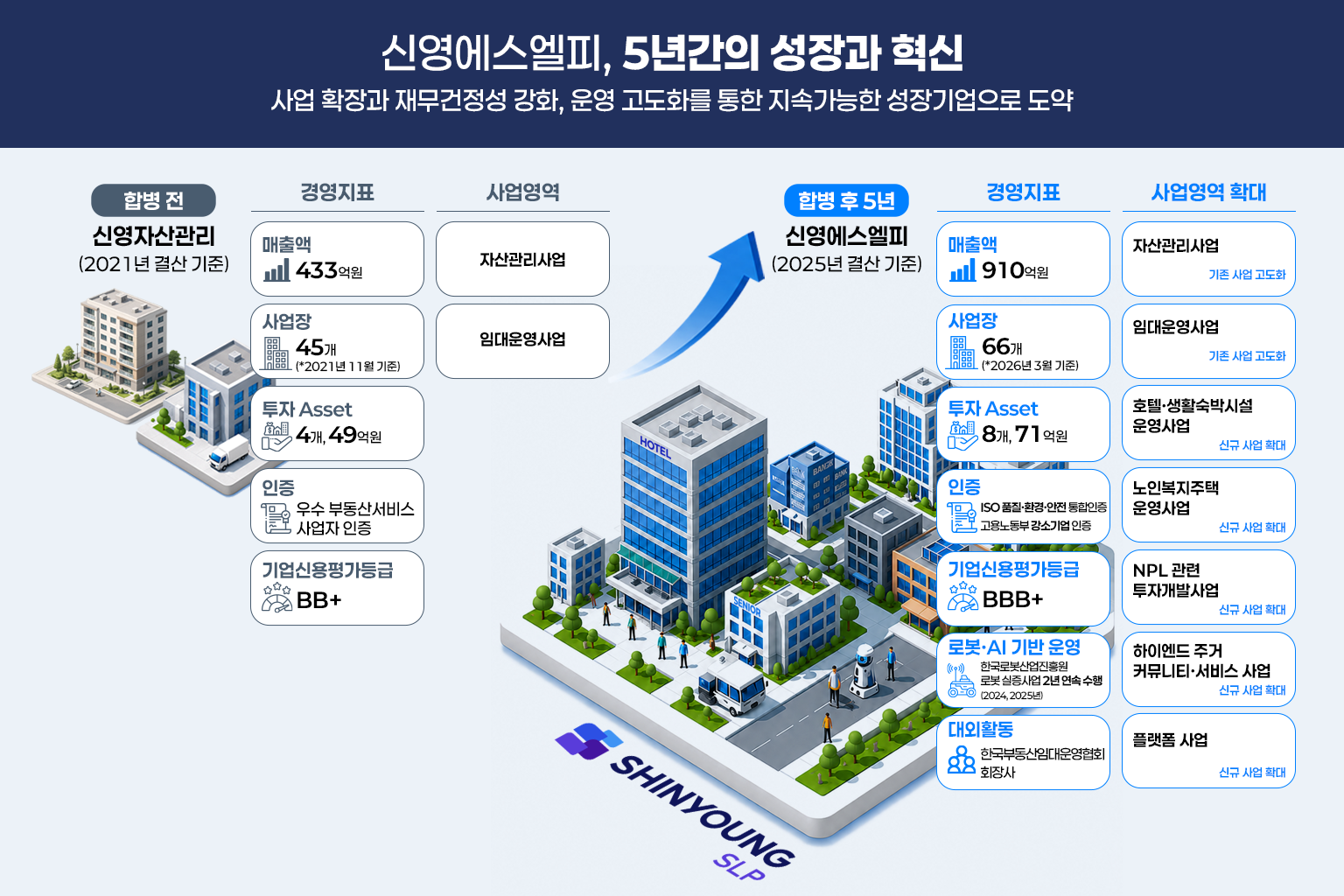
SL Platform changed its corporate name to Shinyoung SLP on June 22. The new name reflects an expanded role from real estate service platform operator to AI-based property operations specialist. In Korea’s property market, competition is moving toward data, automation, cost control, and tenant experience.
Banpo Mido 1st Reconstruction Clears Review, Paving Way for 1,743 Homes in Seoul
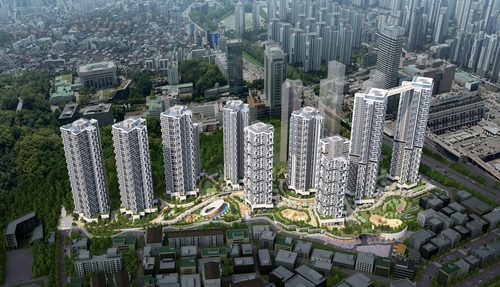
Banpo Mido 1st Apartment in Seocho-gu, Seoul, has passed integrated review for reconstruction into a 1,743-home residential complex. The project will replace an aging 39-year-old complex in one of Seoul’s prime Han River locations. Alongside development in Yongsan and Seongsu, it highlights the renewed focus on improving housing quality and supply in central
Geomdan and Osan lead Korea’s 5,594-unit apartment subscription week
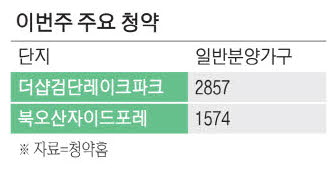
Korea’s new-apartment subscription market will receive applications for 5,594 units at 12 sites from June 22 to 26. In the capital region, a price-ceiling mega complex in Geomdan New Town and supply in Osan are the main focus. Buyers are expected to compare price, financing, resale restrictions and residence rules before applying.

Incheon Geomdan Royal Park City II Opens Applications for 383 Company-Held Homes on June 25
Applications for 383 company-held homes at Royal Park City II in Incheon Geomdan will begin on June 25. The supply gives end-users another route into a new apartment in the Geomdan area. Applicants should review eligibility, payment schedules, financing, contract terms, and Korean housing rules before applying.