Seoul Apartments Over 20 Years Old Rise 5.48% in H1, Outpacing Newer Units
Seoul’s apartment market shifted in the first half from a new-build preference to older complexes with rebuilding potential. Apartments more than 20 years old rose 5.48%, the strongest gain by age group. High presale prices and tighter lending narrowed options for end users. Location and redevelopment feasibility will likely decide the next phase.
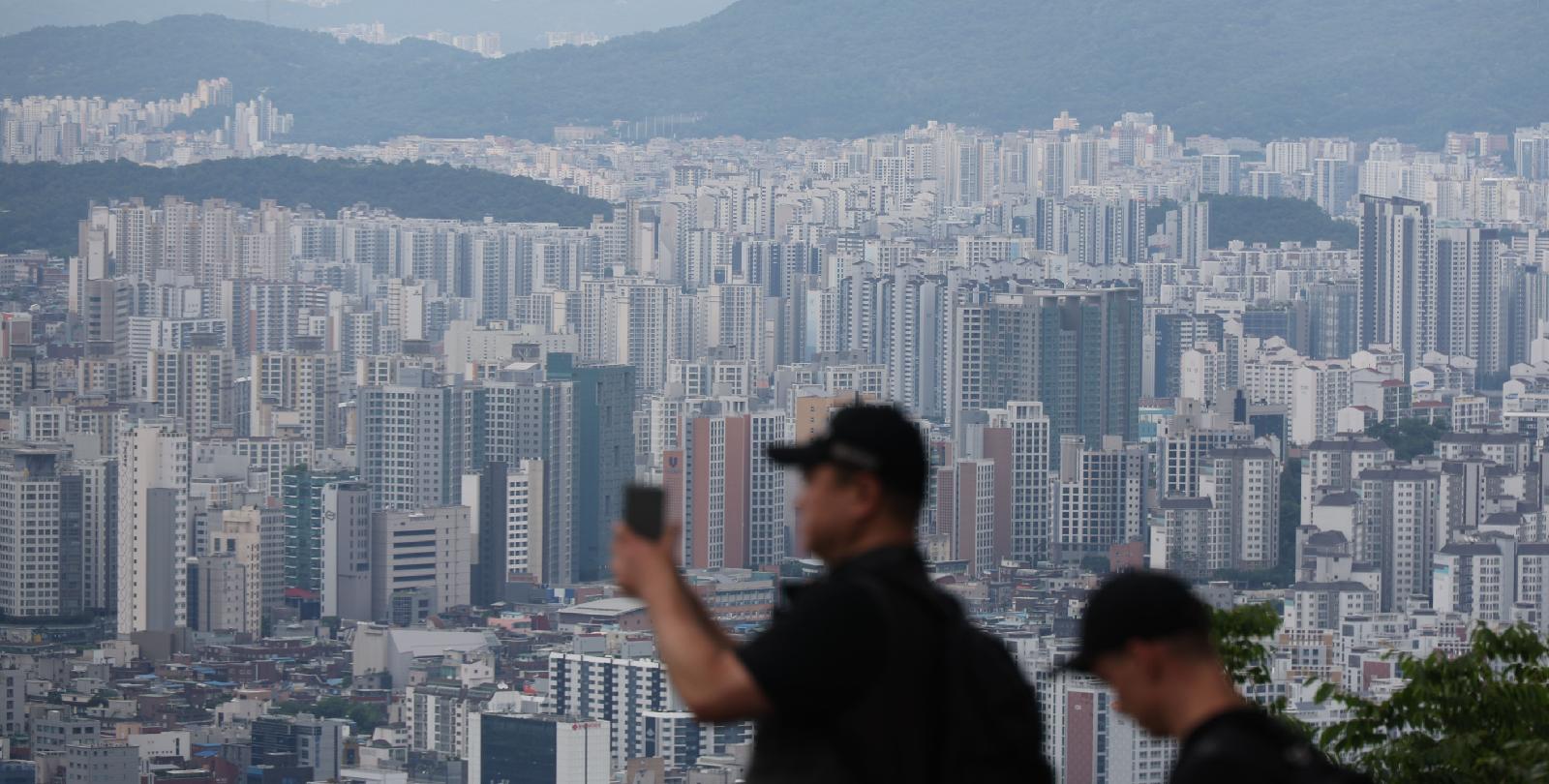
The conclusion is clear: in Seoul’s apartment market, older complexes completed more than 20 years ago led both transactions and price momentum in the first half. The long-standing preference for new apartments weakened as buyers turned to older homes with better locations, lower entry prices and rebuilding potential. Apartments over 20 years old rose 5.48%, ranking first by age group and showing stronger price elasticity than newer units.
Price Pressure Changed Buyer Choices
Demand in Seoul still concentrates around jobs, schools, transit and daily infrastructure. But high presale prices and loan restrictions have reduced purchasing power. Many end users are comparing wider floor areas, stronger locations and future redevelopment value within the same budget. Older complexes are no longer viewed only as aging housing; in selected areas, they are being repriced as homes with both use value and future optionality.
A 5.48% Gain for Older Complexes
By building age, apartments over 20 years old posted the highest first-half increase at 5.48%. Interest moved from recently completed units to complexes approaching rebuilding age or already carrying redevelopment expectations. Buyer inquiries remained firm in Gangnam, riverside areas, station areas and large complexes where land value and project feasibility are clearer.
What Buyers Should Watch
This trend gives end users a realistic alternative to expensive new units, but older buildings require checks on maintenance, parking, utilities and management costs. Investors need to judge how much rebuilding value is already priced in. In the second half, Seoul prices will remain sensitive to interest rates, lending rules and presale prices, while viable older complexes may retain relative strength.
Key points
- Seoul’s apartment market shifted in the first half from a new-build preference to older complexes with rebuilding potential. Apartments more than 20 years old rose 5.48%, the strongest gain by age group. High presale prices and tighter lending narrowed options for end users. Location and redevelopment feasibility will likely decide the next phase.
- Use the body and FAQ context before acting on this update.
- Compare with related issues inside the category hub.
FAQ
Which Seoul apartment age group rose the most in the first half?
Apartments completed more than 20 years ago rose 5.48%, the highest gain by age group.
Why did older apartments outperform newer ones?
High presale prices and loan restrictions made new units harder to buy, while well-located older complexes offered rebuilding potential.
Are all older Seoul apartments attractive?
No. Land share, floor-area ratio, rebuilding feasibility, extra costs and location can create large differences between complexes.
Latest stories
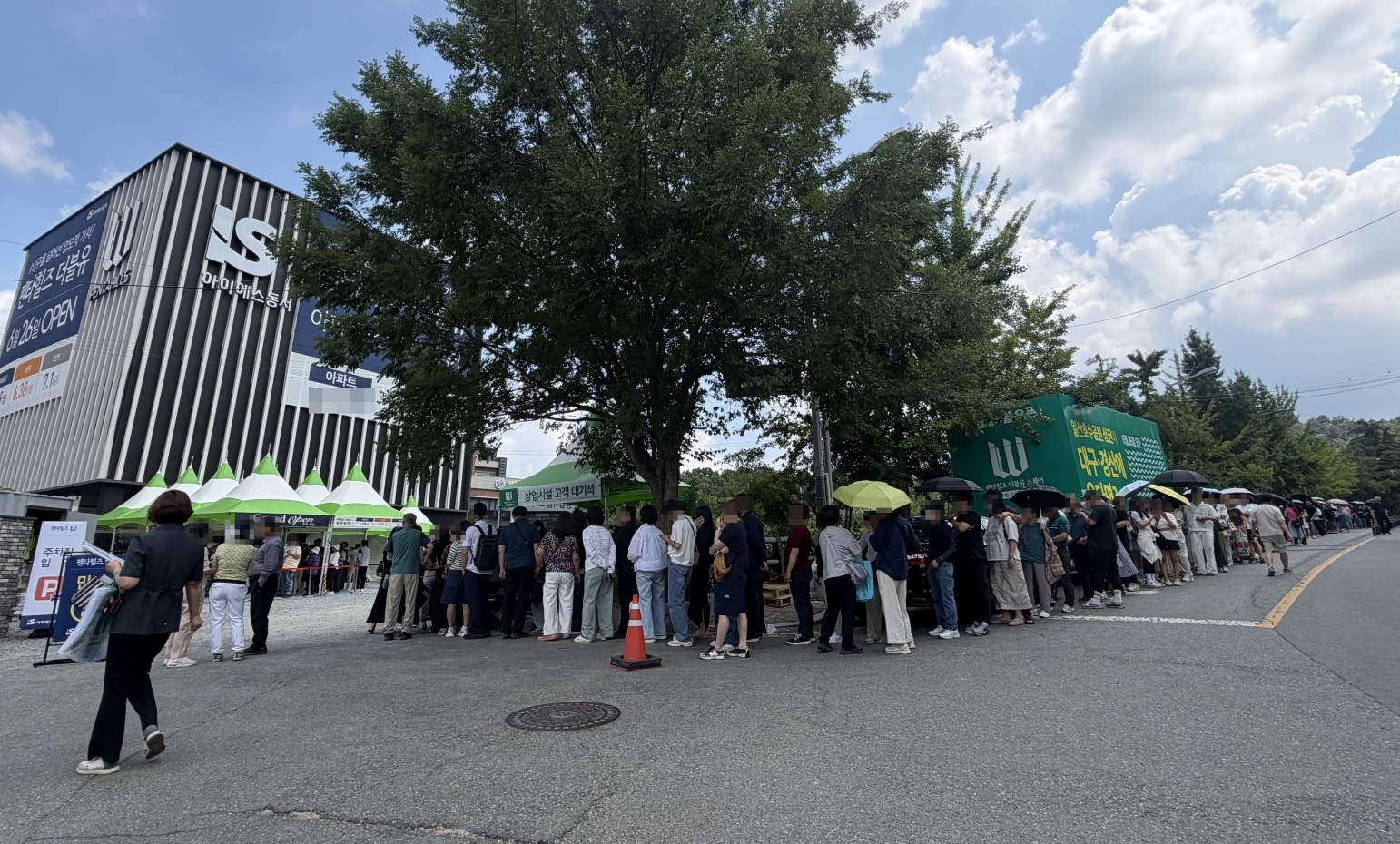
Penta Hills W Complex 1 Draws Visitors Ahead of June 29 Special Supply
Visitor traffic continues at the Penta Hills W Complex 1 model home. Jungsan District has strong residential preference but limited new supply in recent periods. Interest in pricing and unit planning is feeding demand ahead of the application schedule. The project begins with special supply applications on June 29.
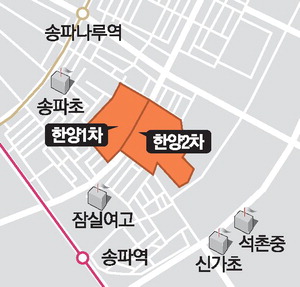
Songpa Hanyang 1 and 2 Reconstruction Gains Speed as Prices React
The Songpa Hanyang 1 and 2 reconstruction projects are gaining momentum. Hanyang 2 selected a contractor earlier this year, while Hanyang 1 is moving toward formal redevelopment district designation. The progress is raising expectations for older apartments in Songpa and influencing asking prices.
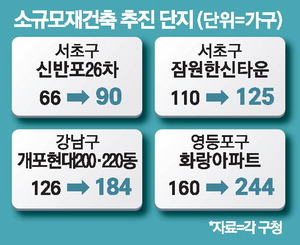
Gangnam Standalone Apartment Redevelopments Restart as Price Gains Revive Feasibility
Small redevelopment sites in Gangnam are regaining momentum. Projects slowed by surging construction costs and weak feasibility are being recalculated as nearby new apartment prices climb. The burden on association members remains high because public-sale units are limited. Future progress depends on construction costs, rates and Gangnam price trends.
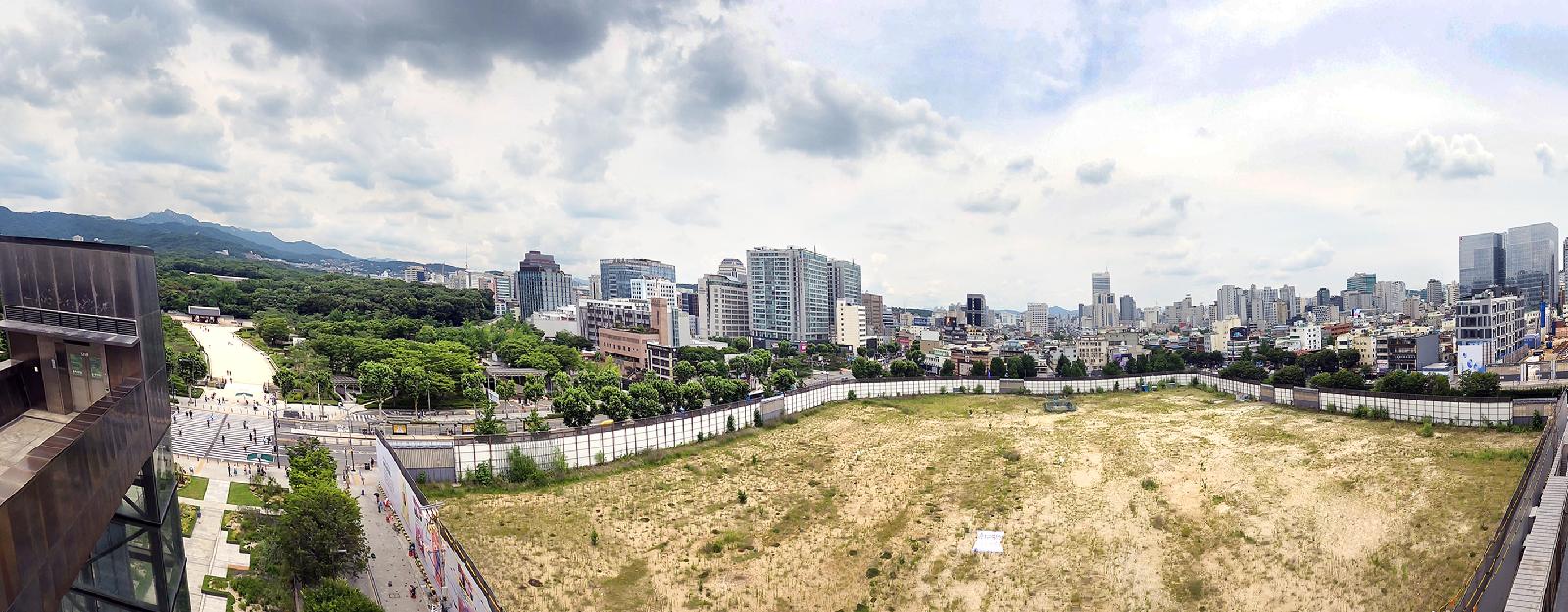
Seun District 4 redevelopment near Jongmyo gains momentum as Seoul reviews heritage assessment
Seoul is considering accepting a World Heritage assessment for the Seun District 4 redevelopment. The move is intended to settle disputes and accelerate approval of changes to the project plan. Resident consent is required before the assessment can begin. If the process leads to lower building heights, opposition may intensify.

Korea Real Estate Development Industry Institute to Launch With June 25 Symposium
The Korea Developer Association is expanding its policy research office into the Korea Real Estate Development Industry Institute. The founding symposium will be held at 2 p.m. on June 25 at IT Square on the second floor of Oakwood Premier Coex Center. The institute will focus on policy research, market analysis and institutional improvement for Korea’s real
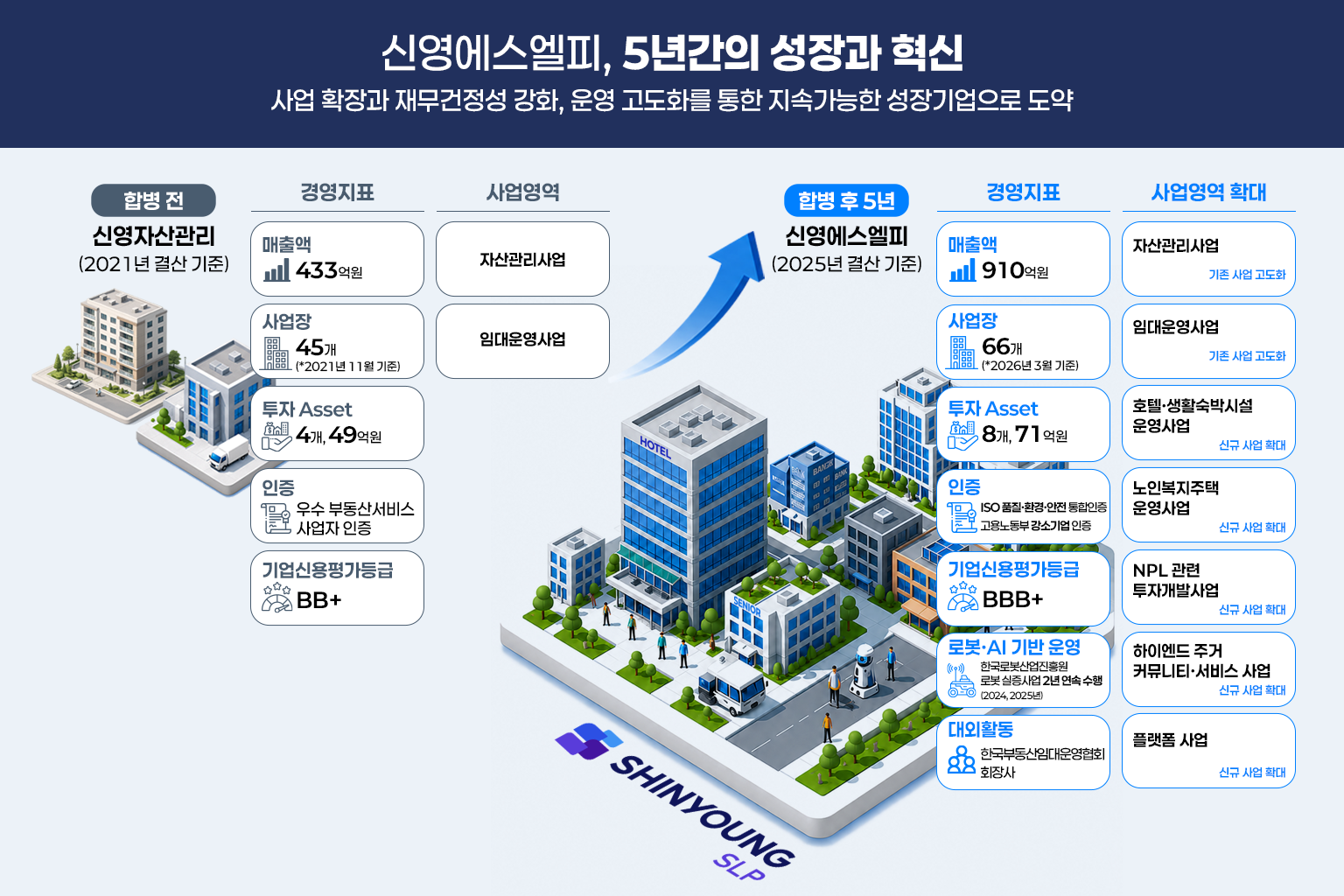
Shinyoung SLP Launches as SL Platform Rebrands for AI Real Estate Operations
SL Platform changed its corporate name to Shinyoung SLP on June 22. The new name reflects an expanded role from real estate service platform operator to AI-based property operations specialist. In Korea’s property market, competition is moving toward data, automation, cost control, and tenant experience.
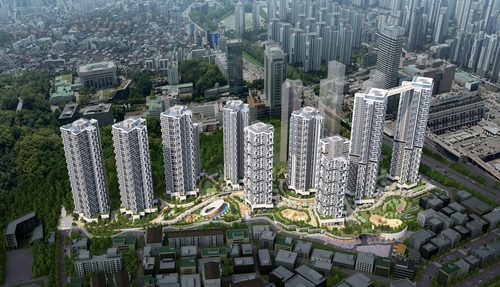
Banpo Mido 1st Reconstruction Clears Review, Paving Way for 1,743 Homes in Seoul
Banpo Mido 1st Apartment in Seocho-gu, Seoul, has passed integrated review for reconstruction into a 1,743-home residential complex. The project will replace an aging 39-year-old complex in one of Seoul’s prime Han River locations. Alongside development in Yongsan and Seongsu, it highlights the renewed focus on improving housing quality and supply in central
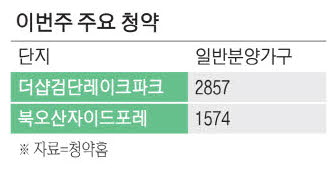
Geomdan and Osan lead Korea’s 5,594-unit apartment subscription week
Korea’s new-apartment subscription market will receive applications for 5,594 units at 12 sites from June 22 to 26. In the capital region, a price-ceiling mega complex in Geomdan New Town and supply in Osan are the main focus. Buyers are expected to compare price, financing, resale restrictions and residence rules before applying.