Apartment Public Price Appeals Hit Five-Year High, but Acceptance Stays Below 2%
Appeals against publicly assessed apartment prices rose to the highest level in five years after higher valuations increased tax concerns. Fewer than 2% led to adjustments. The assessed price matters because it affects property tax, comprehensive real estate tax and other household costs.

Apartment public price appeals surged to the highest level in five years, but fewer than 2% were accepted. As publicly assessed prices for multi-unit housing rose, homeowners worried about higher property taxes and comprehensive real estate taxes sought corrections in large numbers, yet overturning the official valuation proved difficult.
Higher Assessments Drove Appeals
The publicly assessed price of apartments and other multi-unit homes is a key tax base in Korea. It influences property tax, comprehensive real estate tax, parts of inheritance and gift tax calculations, health insurance premiums and several welfare thresholds. In Seoul and major metropolitan complexes where market prices recovered faster, higher assessments quickly became a household cost issue.
Owners usually file appeals when they believe the assessed price is higher than a realistic transaction value or when differences in floor, direction, view, noise or unit condition are not properly reflected. This year’s increase also reflects a split housing market, with some areas recovering while others remain weak.
Acceptance Below 2%
Despite the largest number of appeals in five years, the acceptance rate stayed under 2%. In practical terms, fewer than two out of every 100 appeals led to a price adjustment. A claim based only on a higher tax burden is not enough. Applicants need concrete evidence such as comparable home prices, recent transactions and specific unit-level factors that were incorrectly reflected.
The low acceptance rate keeps pressure on the credibility of the assessment system. Authorities value consistency and fairness across mass valuations, while taxpayers often argue that individual property conditions are not sufficiently captured.
Tax and Market Effects
The public price is not just a statistical figure. It can change household costs and ownership decisions. A higher assessment may lift the property tax base, and owners of higher-priced homes must also check whether comprehensive real estate tax applies. Multi-home owners may factor rising holding costs into rent or sale decisions.
Appeal volumes will continue to depend on market price trends, assessment policy and tax rules. If large appeal volumes continue alongside low acceptance rates, demands for a more transparent and property-specific review process are likely to grow.
Key points
- Appeals against publicly assessed apartment prices rose to the highest level in five years after higher valuations increased tax concerns. Fewer than 2% led to adjustments. The assessed price matters because it affects property tax, comprehensive real estate tax and other household costs.
- Use the body and FAQ context before acting on this update.
- Compare with related issues inside the category hub.
FAQ
What was the acceptance rate for apartment public price appeals?
Fewer than 2% of appeals were accepted, despite the largest volume in five years.
Why does the publicly assessed price matter?
It affects property tax, comprehensive real estate tax and other household cost calculations in Korea.
What evidence helps an appeal?
Comparable property prices, recent transaction data and specific unit-level factors such as floor, view and direction are important.
Latest stories
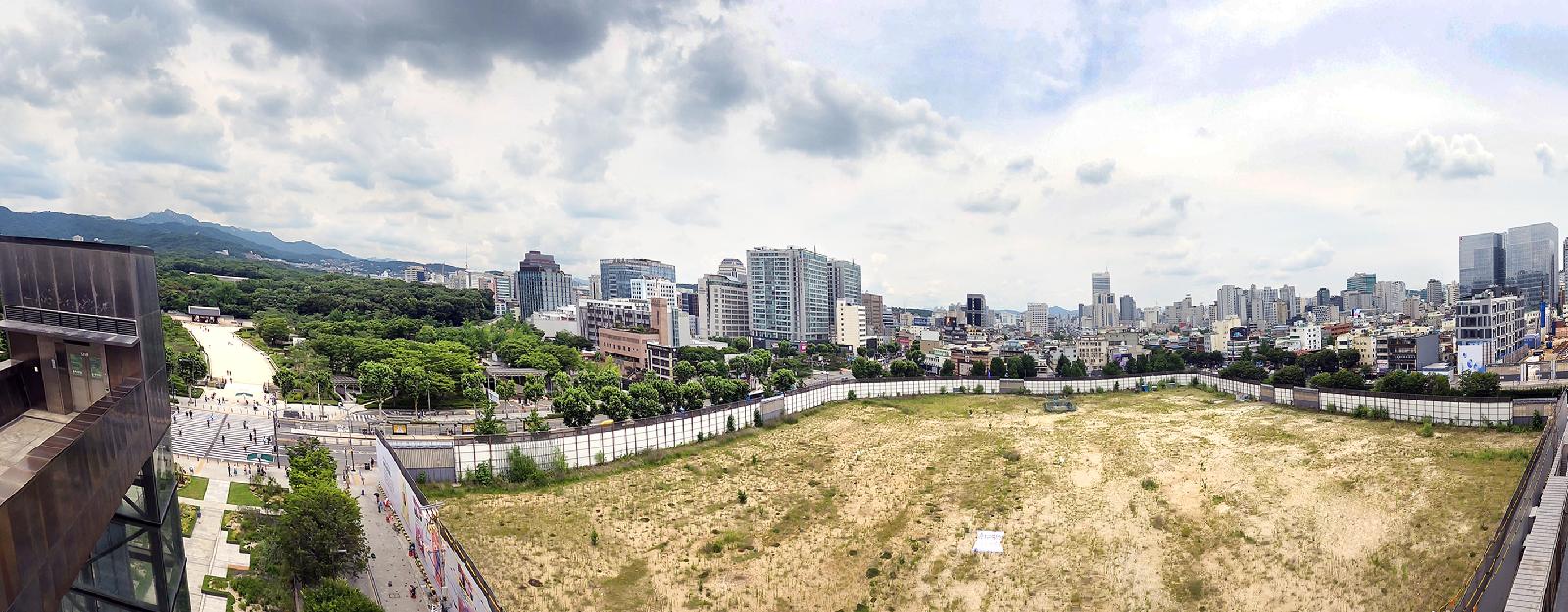
Seun District 4 redevelopment near Jongmyo gains momentum as Seoul reviews heritage assessment
Seoul is considering accepting a World Heritage assessment for the Seun District 4 redevelopment. The move is intended to settle disputes and accelerate approval of changes to the project plan. Resident consent is required before the assessment can begin. If the process leads to lower building heights, opposition may intensify.

Korea Real Estate Development Industry Institute to Launch With June 25 Symposium
The Korea Developer Association is expanding its policy research office into the Korea Real Estate Development Industry Institute. The founding symposium will be held at 2 p.m. on June 25 at IT Square on the second floor of Oakwood Premier Coex Center. The institute will focus on policy research, market analysis and institutional improvement for Korea’s real
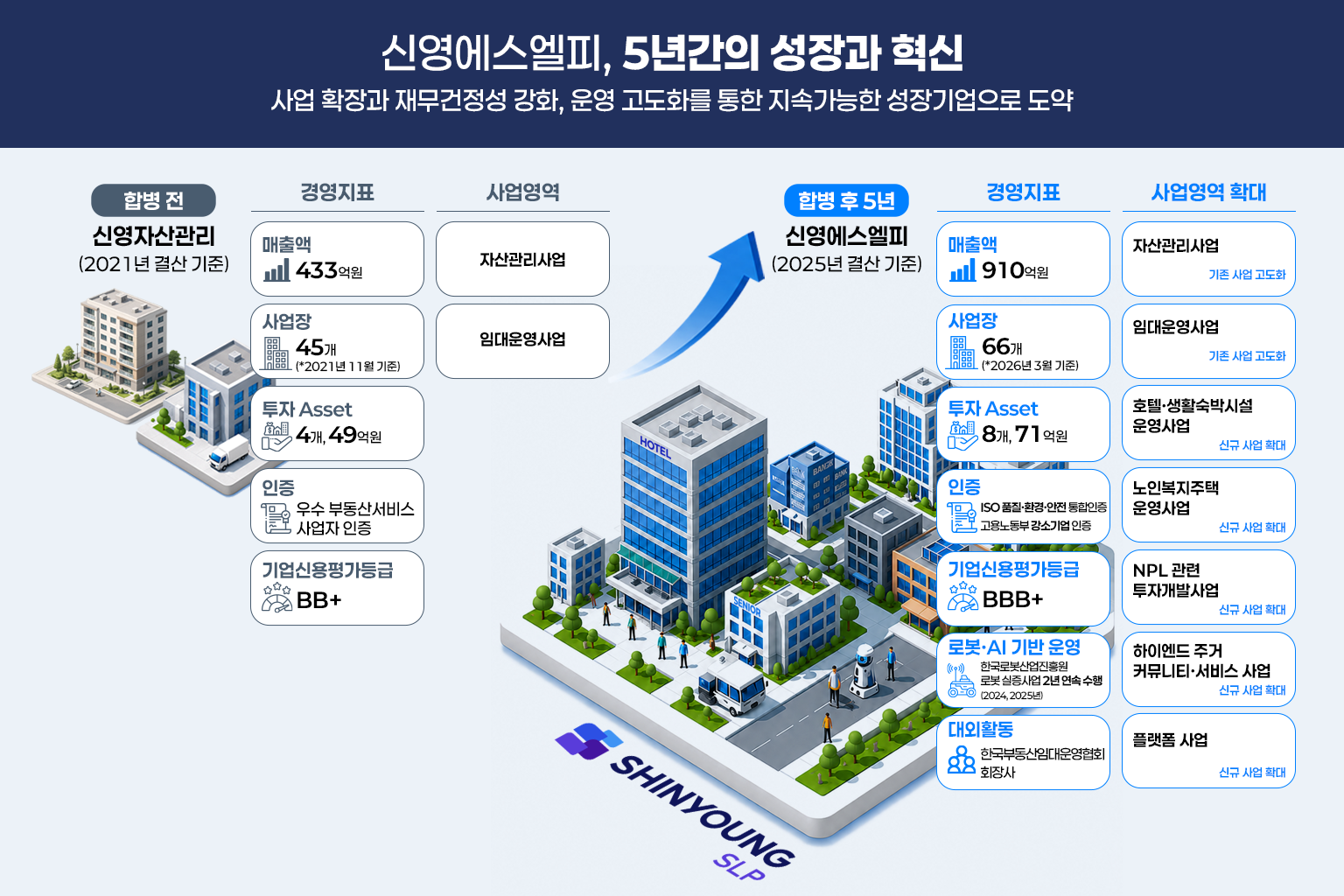
Shinyoung SLP Launches as SL Platform Rebrands for AI Real Estate Operations
SL Platform changed its corporate name to Shinyoung SLP on June 22. The new name reflects an expanded role from real estate service platform operator to AI-based property operations specialist. In Korea’s property market, competition is moving toward data, automation, cost control, and tenant experience.
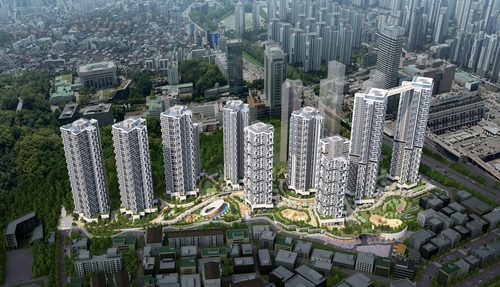
Banpo Mido 1st Reconstruction Clears Review, Paving Way for 1,743 Homes in Seoul
Banpo Mido 1st Apartment in Seocho-gu, Seoul, has passed integrated review for reconstruction into a 1,743-home residential complex. The project will replace an aging 39-year-old complex in one of Seoul’s prime Han River locations. Alongside development in Yongsan and Seongsu, it highlights the renewed focus on improving housing quality and supply in central
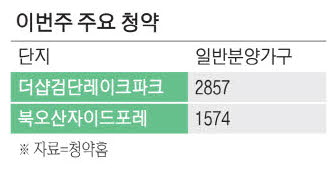
Geomdan and Osan lead Korea’s 5,594-unit apartment subscription week
Korea’s new-apartment subscription market will receive applications for 5,594 units at 12 sites from June 22 to 26. In the capital region, a price-ceiling mega complex in Geomdan New Town and supply in Osan are the main focus. Buyers are expected to compare price, financing, resale restrictions and residence rules before applying.

Incheon Geomdan Royal Park City II Opens Applications for 383 Company-Held Homes on June 25
Applications for 383 company-held homes at Royal Park City II in Incheon Geomdan will begin on June 25. The supply gives end-users another route into a new apartment in the Geomdan area. Applicants should review eligibility, payment schedules, financing, contract terms, and Korean housing rules before applying.