Kim Se-shin Tapped as Seoul Housing and Real Estate Policy Chief for Ninth Elected City Administration
Kim Se-shin has been tapped as Seoul’s next senior housing and real estate policy official. The role will steer housing supply, redevelopment coordination, and market response. Key challenges include supply shortages, uneven price recovery, jeonse stability, and coordination with national regulations.

Kim Se-shin, Seoul’s Standing Urban Planning Division chief, has been tapped as the city’s senior official in charge of housing and real estate policy for the ninth elected municipal administration. The post carries responsibility for housing supply strategy, redevelopment coordination, market monitoring, and policy alignment with the central government.
Planning Expertise Moves to Housing Policy
Kim has handled urban land use, spatial planning, and development review inside Seoul’s planning structure. His appointment signals an approach that links housing supply with urban planning rather than treating real estate policy as a market-management issue alone. In Seoul, where large new land reserves are scarce, supply depends on redevelopment, station-area projects, zoning decisions, and infrastructure planning.
Supply and Market Stability
Seoul’s housing market remains uneven. Prime districts, Han River locations, and key transit areas continue to reflect scarcity and redevelopment expectations, while outer districts are more exposed to interest rates, lending rules, and rental conditions. The new policy chief will have to balance faster approvals with public contributions, rental housing, transport, schools, and neighborhood infrastructure. For Korean households, apartment prices and jeonse deposits directly affect wealth, borrowing capacity, and consumption.
What Comes Next
The ninth elected city administration is expected to place greater weight on planning-led supply management. Near-term attention will fall on reducing bottlenecks in redevelopment approvals. Longer-term work may focus on station areas, semi-industrial zones, and aging residential districts. The market will watch actual project timetables, starts, and occupancy volume more closely than policy language. The test for the new policy line will be execution speed.
Key points
- Kim Se-shin has been tapped as Seoul’s next senior housing and real estate policy official. The role will steer housing supply, redevelopment coordination, and market response. Key challenges include supply shortages, uneven price recovery, jeonse stability, and coordination with national regulations.
- Use the body and FAQ context before acting on this update.
- Compare with related issues inside the category hub.
FAQ
What role has Kim Se-shin been tapped for?
He has been tapped as Seoul’s senior official overseeing housing and real estate policy.
Why does the appointment matter?
It links housing supply policy more closely with Seoul’s urban planning and redevelopment agenda.
What will the market watch next?
Investors and residents will watch redevelopment approvals, supply schedules, project starts, and future occupancy volume.
Latest stories

Eunma Apartment Reconstruction Plan Approved in Seoul’s Gangnam District
Gangnam District approved the project implementation plan for Eunma Apartment reconstruction on July 2. It is the first reconstruction implementation approval under the district’s ninth elected administration. The move advances one of Gangnam’s most closely watched aging housing complexes.

Goyang Changneung S3 and S4 Subscriptions Near, 59㎡ Homes in the 490 Million Won Range
Goyang Changneung S3 and S4 are emerging as major third-phase new town subscription sites. S3 is a profit-sharing sale housing project, with 59㎡ units priced in the 490 million won range. Buyers need to assess location, rules, financing, and resale conditions together.
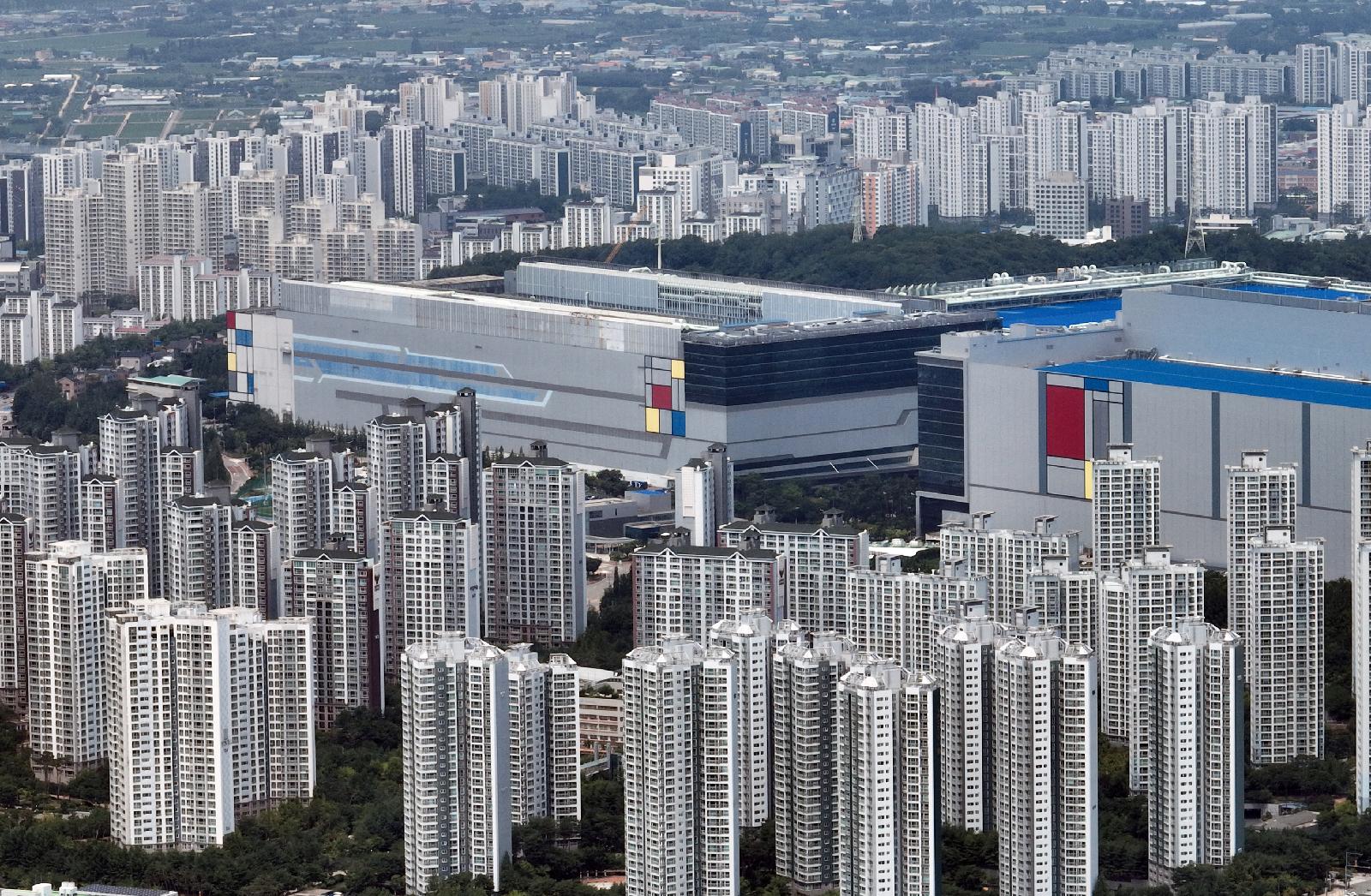
OECD-Style Property Tax Shift Puts Korea’s Housing Tax System Under Review
Korea’s property-related tax burden stands above the OECD average, yet much of the pressure falls at the point of transaction. The proposed direction is to raise recurrent housing taxes while lowering taxes on purchases and transfers. Tobacco tax increases and a single corporate tax rate also move the debate beyond real estate.
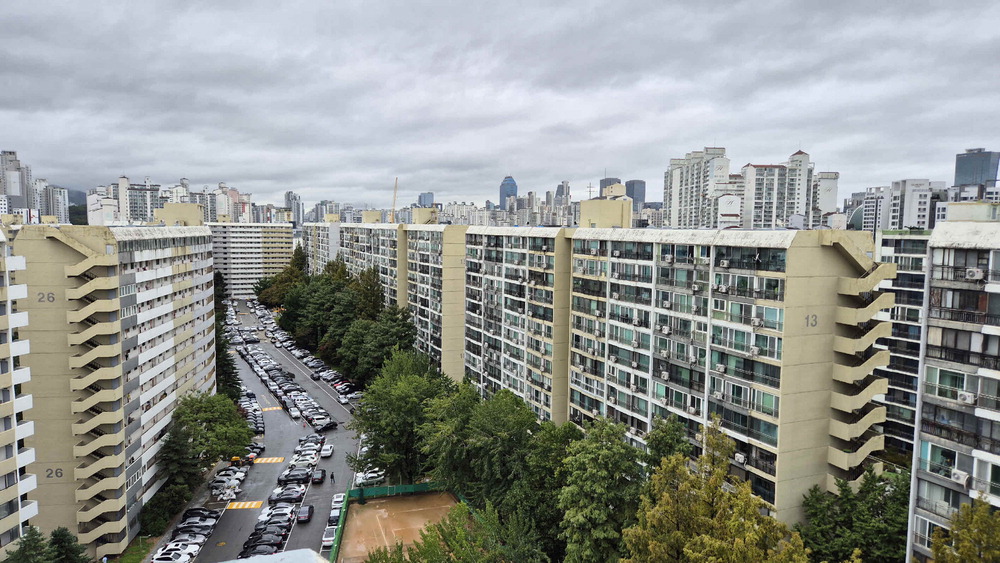
Eunma and Jamsil 5 approvals put 12,000 Gangnam rebuild homes on track
Eunma Apartments and Jamsil Jugong Complex 5 have secured project implementation approvals, moving Seoul’s key Gangnam reconstruction projects into execution. About 12,000 homes are now tied to a faster redevelopment pipeline after 23 years of delay. The city expects supply gains, but costs, relocation timing and member contributions remain decisive.
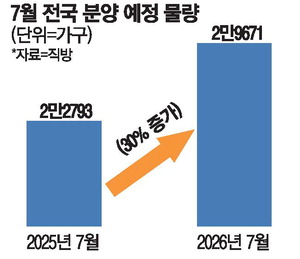
July Apartment Supply in Korea Reaches 29,671 Units, 70% in Greater Seoul
A total of 29,671 new apartments will enter Korea’s presale market in July, up about 30% from last year. Around 70% of the supply is concentrated in the Greater Seoul area, led by Gyeonggi Province and Incheon. Buyers must weigh location, price and financing conditions carefully.

DL E&C Wins Mokdong 6 Reconstruction Contract Worth 1.3 Trillion Won
DL E&C has won the construction contract for Mokdong 6, the fastest-moving redevelopment complex in Mokdong. The project is valued at about 1.3 trillion won. The decision gives momentum to the broader renewal of aging apartment complexes in Seoul’s Yangcheon district.
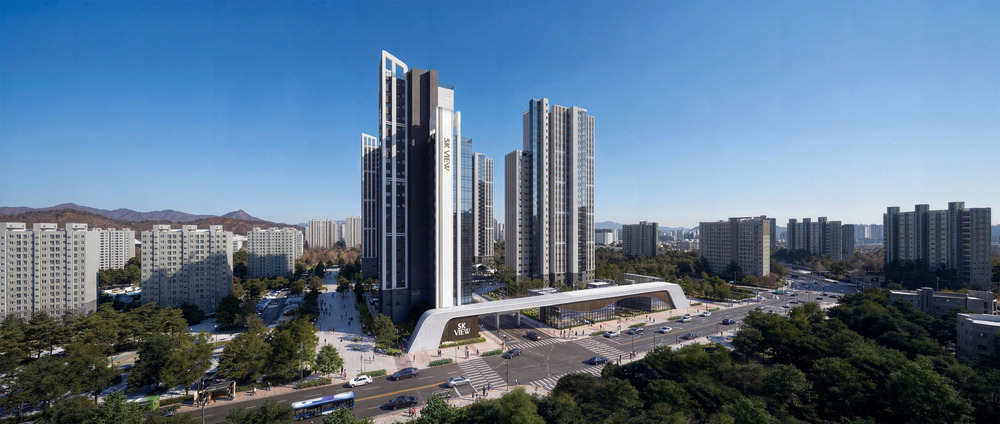
Yongin Suji Samsung 2nd Reconstruction: SK ecoplant Wins KRW 200 Billion Project
SK ecoplant has secured the construction rights for the Suji Samsung 2nd Apartment reconstruction project in Yongin, Gyeonggi Province. The site is located at 692-1 Pungdeokcheon-dong, Suji-gu, and the contract is valued at about KRW 200 billion. The deal reflects steady demand for aging apartment renewal in preferred southern Seoul metropolitan residential
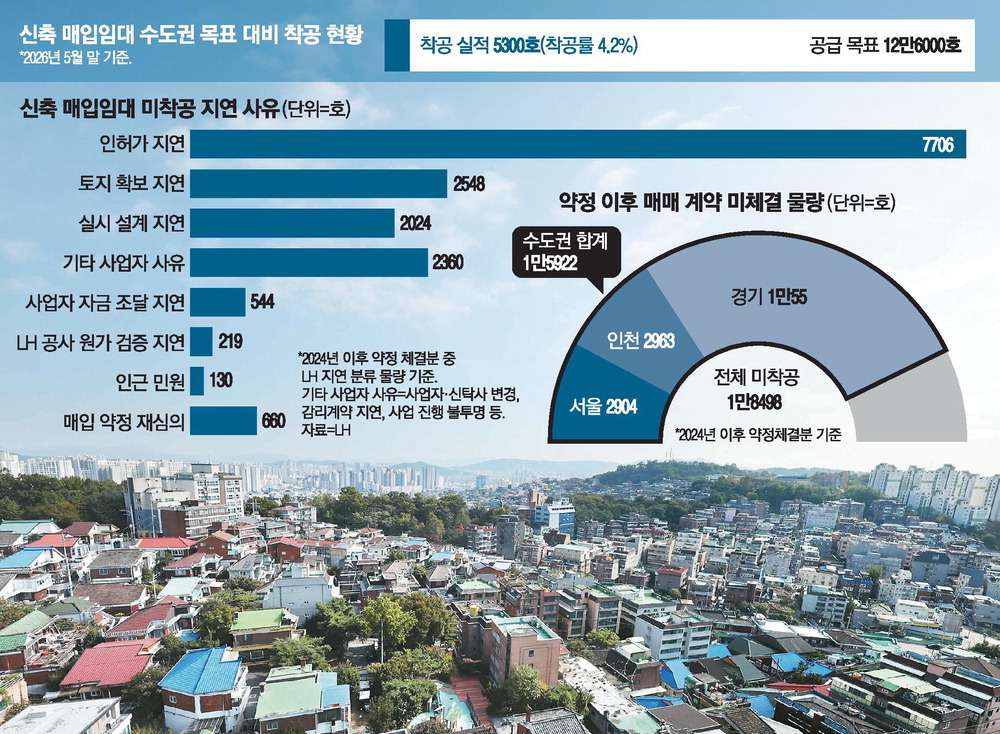
Seoul Metro Rental Housing Delays Hit 16,000 Units as Permits and Costs Stall Starts
About 16,000 newly built rental units in the Seoul metropolitan area are stuck before construction starts. The main bottlenecks are permits and land acquisition, while rising construction costs and financing burdens are adding pressure on the ground. The delay could weaken a key buffer in Korea’s rental market.