Construction costs hit biggest rise in four years as April index jumps, raising presale price pressure
The construction cost index jumped 1.75 points in April, marking the biggest monthly increase in four years. Sharp gains in asphalt concrete and asphalt prices are raising costs at residential and civil worksites. Even with oil prices calmer, cost pressure is expected to feed into presale prices and redevelopment project budgets.
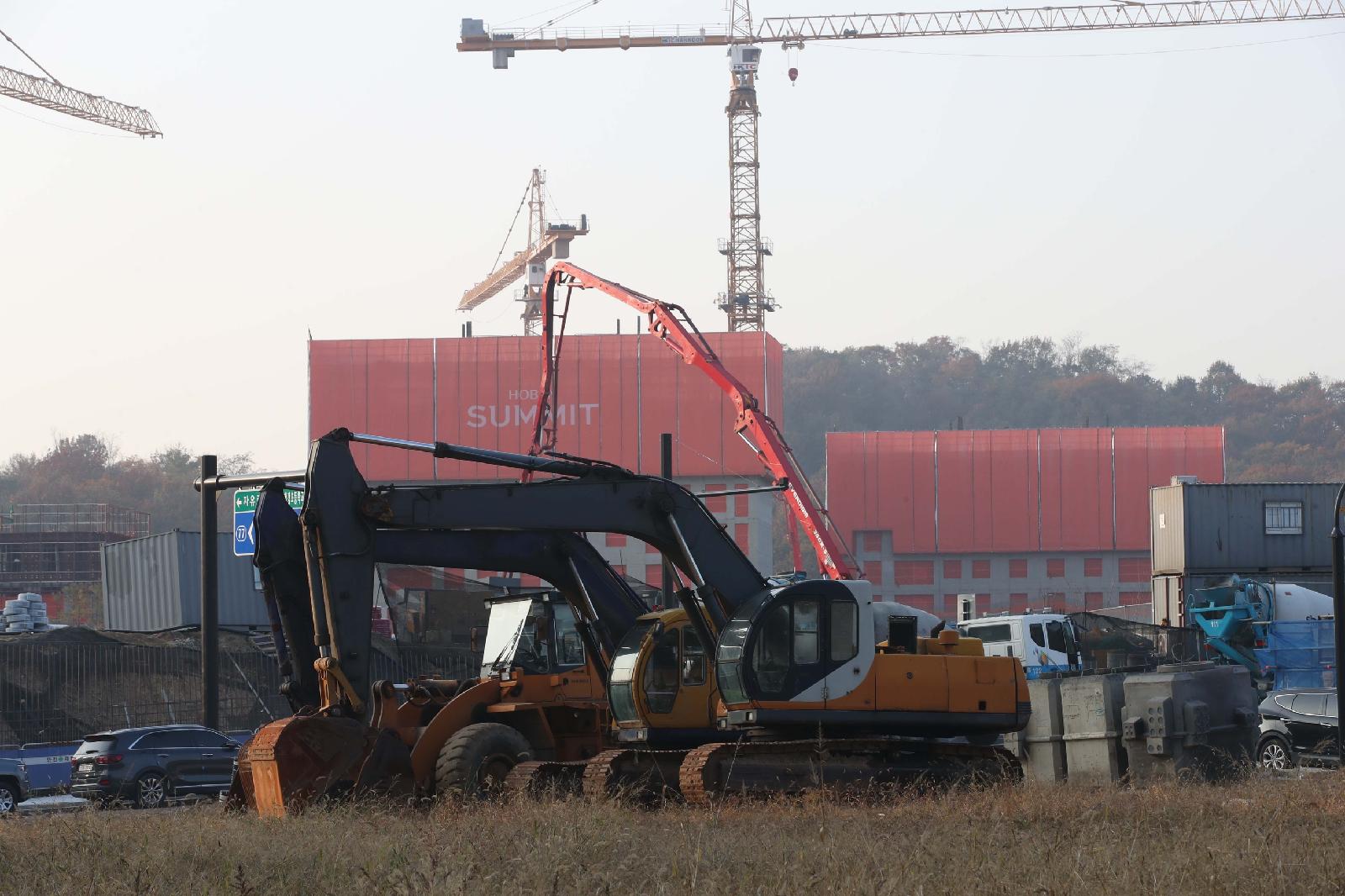
Construction costs have returned as a key variable for Korea’s housing presale market. The construction cost index rose 1.75 points in April from the previous month, the largest increase in four years. Although international oil prices have shown signs of stabilizing, material, transport and processing costs used on building sites are rising with a lag, adding pressure to presale prices in the second half.
Material costs remain sticky
The easing of some Middle East geopolitical risk has not immediately lowered site costs. Prices of asphalt concrete and asphalt, both tied to petroleum inputs, rose sharply. These materials are widely used for apartment complex roads, groundwork, parking areas and paving. Even when crude oil retreats, contract prices, inventories, freight charges and the won exchange rate can delay any cost relief.
April index rise affects pricing
The construction cost index reflects changes in materials, labor, equipment and civil engineering inputs. A 1.75-point monthly increase shows that the burden is moving beyond short-term volatility into actual project costs. In Korea, this index is closely watched in presale price calculations, construction contract adjustments and redevelopment cost negotiations. Developers and builders must also factor in financing, labor and safety costs when recalculating budgets.
Impact on buyers and projects
Projects preparing for presale will find it difficult to avoid higher cost assumptions, whether or not they are subject to price-cap rules. In capped areas, base construction cost and add-on cost adjustments matter; in uncapped areas, developers may test higher presale prices against nearby market prices and demand. Seoul and metropolitan redevelopment projects could face tougher talks over member contributions, general presale prices and construction cost reviews. Buyers should compare total purchase costs, including unit size, balcony expansion, paid options and interim loan interest.
Key points
- The construction cost index jumped 1.75 points in April, marking the biggest monthly increase in four years. Sharp gains in asphalt concrete and asphalt prices are raising costs at residential and civil worksites. Even with oil prices calmer, cost pressure is expected to feed into presale prices and redevelopment project budgets.
- Use the body and FAQ context before acting on this update.
- Compare with related issues inside the category hub.
FAQ
How much did the April construction cost index rise?
It rose 1.75 points from the previous month, the largest increase in four years.
Why are costs rising even as oil prices calm?
Asphalt concrete and asphalt prices increased, while inventory costs, freight charges and exchange-rate pressure affect construction sites with a time lag.
How will higher construction costs affect presale prices?
They are likely to influence second-half presale pricing and redevelopment cost talks, increasing the total burden on homebuyers.
Latest stories
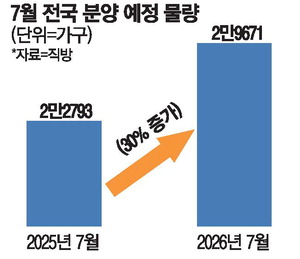
July Apartment Supply in Korea Reaches 29,671 Units, 70% in Greater Seoul
A total of 29,671 new apartments will enter Korea’s presale market in July, up about 30% from last year. Around 70% of the supply is concentrated in the Greater Seoul area, led by Gyeonggi Province and Incheon. Buyers must weigh location, price and financing conditions carefully.
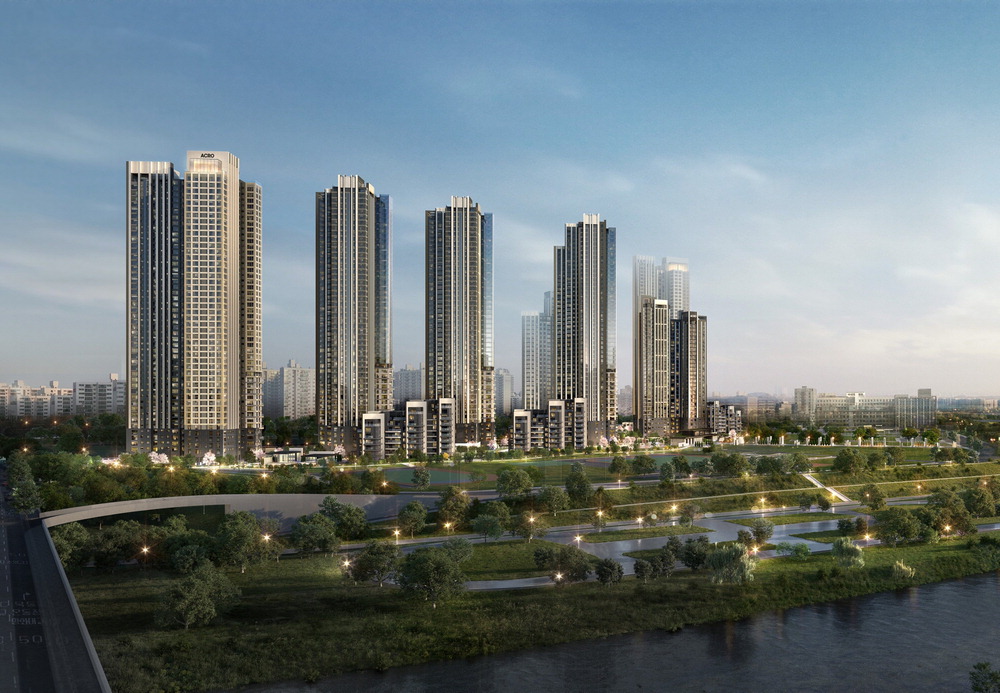
DL E&C Wins Mokdong 6 Reconstruction Contract Worth 1.3 Trillion Won
DL E&C has won the construction contract for Mokdong 6, the fastest-moving redevelopment complex in Mokdong. The project is valued at about 1.3 trillion won. The decision gives momentum to the broader renewal of aging apartment complexes in Seoul’s Yangcheon district.
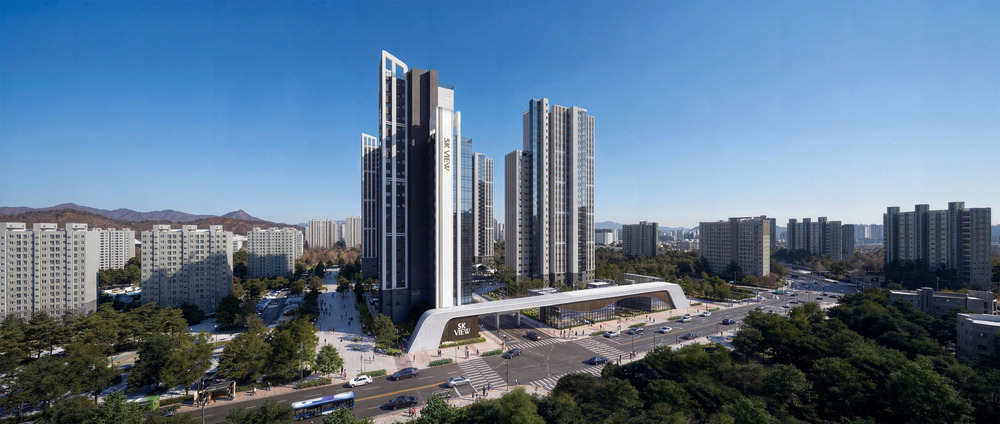
Yongin Suji Samsung 2nd Reconstruction: SK ecoplant Wins KRW 200 Billion Project
SK ecoplant has secured the construction rights for the Suji Samsung 2nd Apartment reconstruction project in Yongin, Gyeonggi Province. The site is located at 692-1 Pungdeokcheon-dong, Suji-gu, and the contract is valued at about KRW 200 billion. The deal reflects steady demand for aging apartment renewal in preferred southern Seoul metropolitan residential
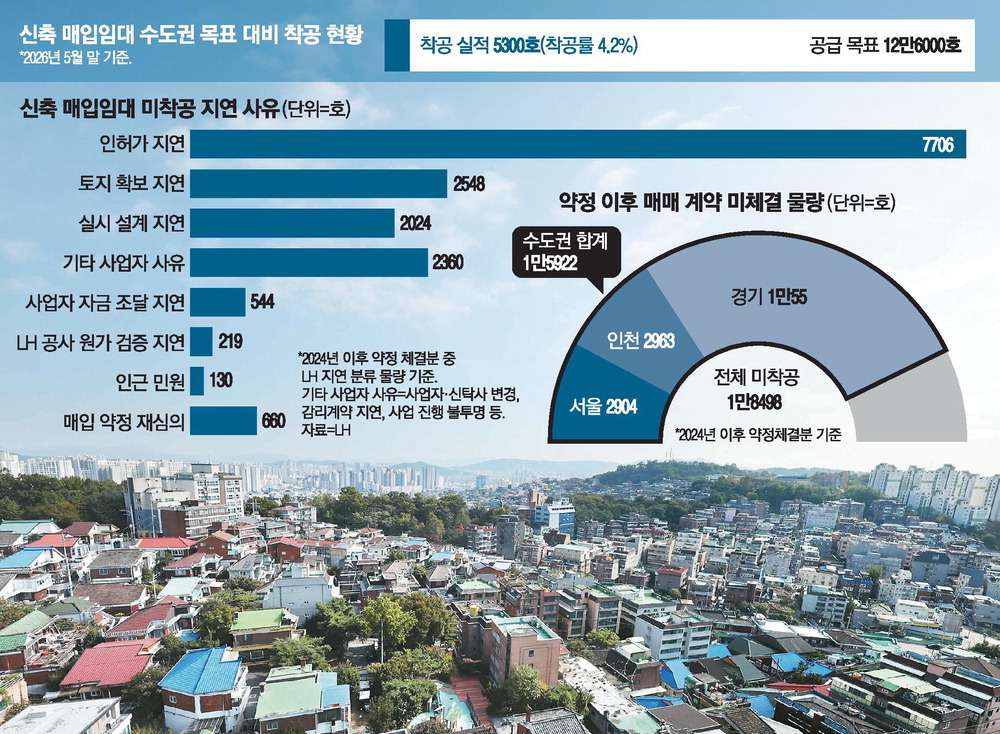
Seoul Metro Rental Housing Delays Hit 16,000 Units as Permits and Costs Stall Starts
About 16,000 newly built rental units in the Seoul metropolitan area are stuck before construction starts. The main bottlenecks are permits and land acquisition, while rising construction costs and financing burdens are adding pressure on the ground. The delay could weaken a key buffer in Korea’s rental market.
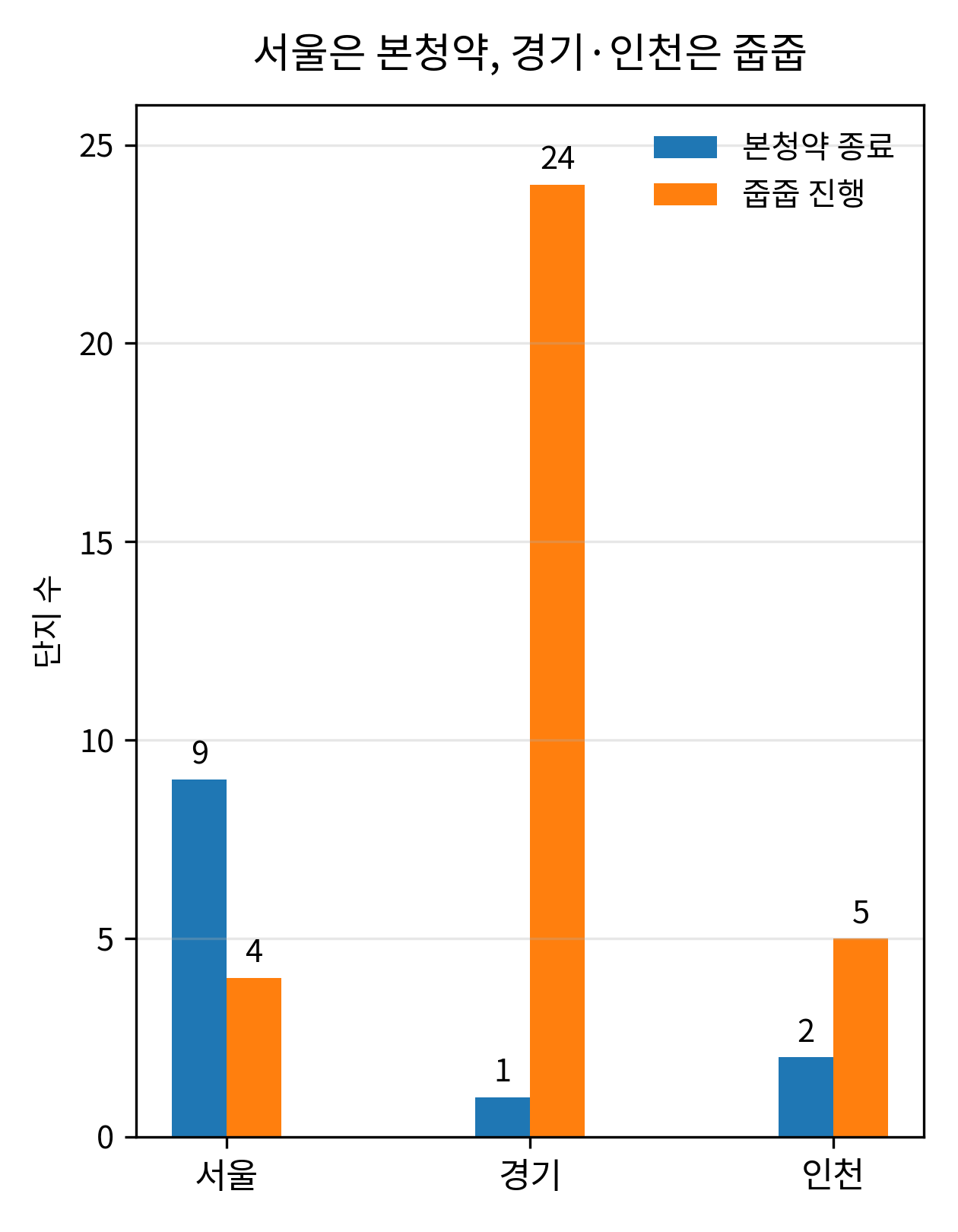
Only 21% of Seoul-area primary subscriptions sell out as no-priority supply misses targets
The gap between subscription competition and actual contracts is widening in the Seoul metropolitan area. Only 21% of projects sold out through primary subscriptions. Two out of three projects that moved to no-priority or discretionary supply failed to fill demand, changing how buyers should read the market.
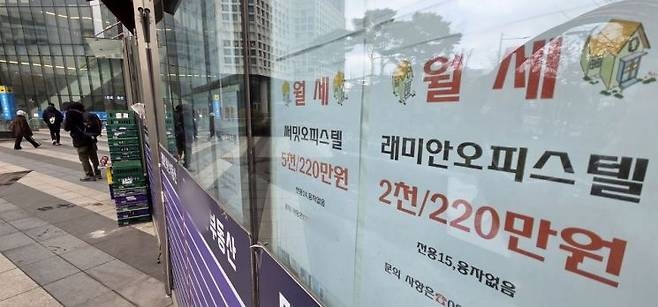
Officetel Prices Rise as Seoul’s Large and Mid-Large Units Gain on Apartment Substitution Demand
Officetel sale prices increased 0.07% in the capital region and 0.39% in Seoul. Demand is shifting toward larger residential-style officetels as apartment purchases become harder. Seoul’s large units rose 2.15% and mid-large units 1.06%, while small and ultra-small units fell. The average Seoul officetel sale price stood at 308.72 million won.

Noryangjin New Town’s Final Offering Tests Seoul Buyers
The final Noryangjin New Town offering of the year is a key test for new-apartment demand in Dongjak-gu. The district is being reshaped across about 730,000 square meters, 8 redevelopment zones and roughly 9,000 homes. Buyers must weigh price, loans, resale limits and occupancy rules before using a subscription account.
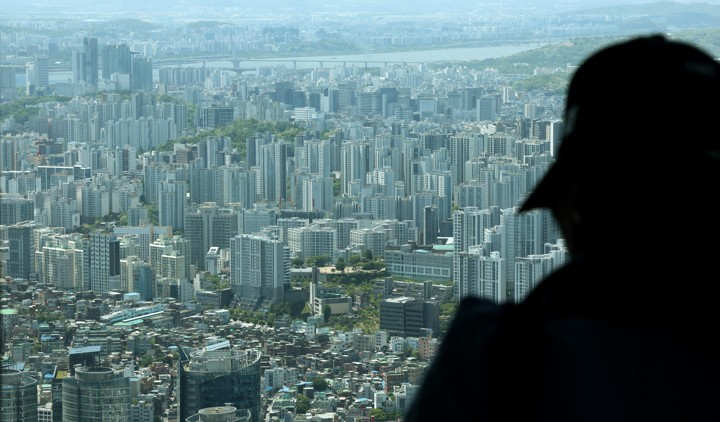
Dongtan Apartment Prices Jump Over 4% in a Month as Seoul Gains Spread North of the Han
Dongtan has become a key hotspot in the Seoul metropolitan housing market after apartment prices rose by more than 4% in one month. In Seoul, gains are no longer limited to Gangnam and are spreading to relatively affordable districts including Dongdaemun, Seongbuk and Gwangjin. Demand is shifting toward mid-priced homes with better entry points.