Officetel Prices Rise as Seoul’s Large and Mid-Large Units Gain on Apartment Substitution Demand
Officetel sale prices increased 0.07% in the capital region and 0.39% in Seoul. Demand is shifting toward larger residential-style officetels as apartment purchases become harder. Seoul’s large units rose 2.15% and mid-large units 1.06%, while small and ultra-small units fell. The average Seoul officetel sale price stood at 308.72 million won.
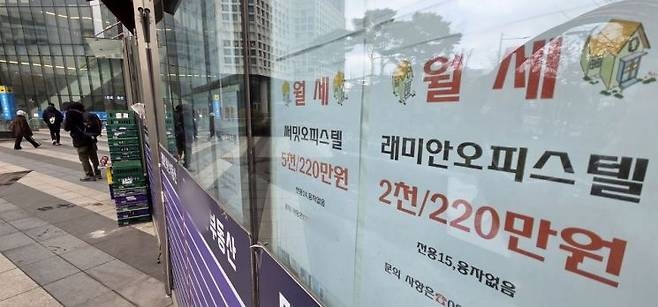
Apartment affordability pressure is now spilling into the officetel market. Sale prices rose from the previous quarter in both the Seoul metropolitan area and Seoul, with large and mid-large units leading the move as apartment alternatives. Units with more usable space, stronger residential layouts and convenient locations are drawing both end-user and investment demand.
Apartment alternative demand is lifting prices
The entry barrier to Seoul apartments remains high. Purchase prices, lending rules, ownership costs and intense competition have pushed some buyers toward officetels. Once viewed mainly as rental-income assets, larger residential-style officetels are increasingly treated as practical housing options when they offer multiple rooms, transit access and newer facilities.
The key feature of the current market is not a broad rebound but clear polarization by size. Studio-type and ultra-small officetels remain sensitive to rental yields and vacancy risks. Larger units are supported by space, scarcity and their ability to substitute for apartments.
Large Seoul units rose 2.15%
Officetel sale prices rose 0.07% in the capital region and 0.39% in Seoul from the previous quarter. Within Seoul, performance diverged sharply by size. Large officetels gained 2.15%, while mid-large units rose 1.06%. Small units fell 0.24% and ultra-small units declined 0.43%. The stronger the housing-substitution value, the better the price resilience.
The average sale price of an officetel in Seoul was 308.72 million won. That remains a lower entry point than typical apartment purchases, but large and mid-large units can feel expensive quickly because supply is limited in preferred locations. Buyers need to review maintenance fees, usable-area ratios, parking, loan eligibility and tax treatment.
Buyers need to focus on location and product quality
This trend does not mean every officetel is strengthening. Demand is concentrated in Seoul units that can clearly replace apartment living. If apartment prices remain burdensome and lease-market uncertainty persists, residential-style officetels may keep attracting interest. Still, interest-rate pressure, weaker rental yields and vacancy risks in older buildings can limit further gains.
End-users should prioritize livability and resale liquidity over short-term price gains. Transit access, job-center proximity, local amenities, actual usable space and monthly management costs matter. For small and ultra-small units, rental-demand quality and vacancy risk require a more conservative review.
Key points
- Officetel sale prices increased 0.07% in the capital region and 0.39% in Seoul. Demand is shifting toward larger residential-style officetels as apartment purchases become harder. Seoul’s large units rose 2.15% and mid-large units 1.06%, while small and ultra-small units fell. The average Seoul officetel sale price stood at 308.72 million won.
- Use the body and FAQ context before acting on this update.
- Compare with related issues inside the category hub.
FAQ
How much did Seoul officetel prices rise?
Seoul officetel sale prices rose 0.39% from the previous quarter, while the broader capital region increased 0.07%.
Which officetel segment was strongest?
Large Seoul officetels rose 2.15%, and mid-large units gained 1.06%, making them the strongest segments.
Did small officetels also rise?
No. Small Seoul officetels fell 0.24%, and ultra-small units declined 0.43%, showing clear size-based divergence.
Latest stories
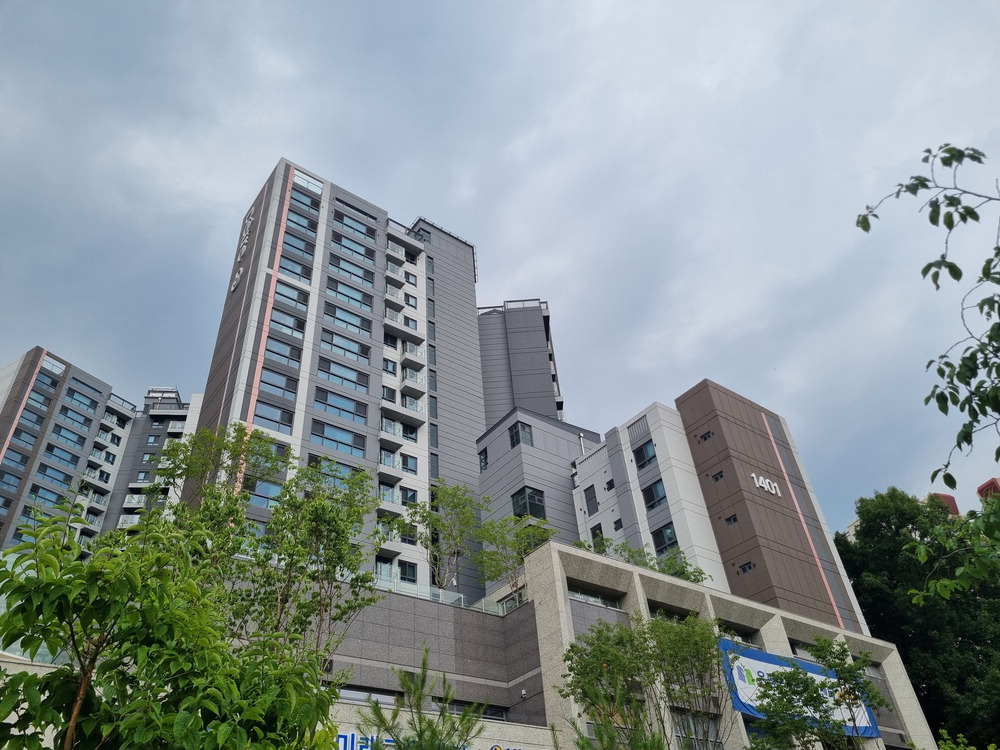
Public-Supported Private Rental Deposit Hike Sparks Backlash After Just One Year
A public-supported private rental apartment is facing controversy after a deposit increase emerged just one year after occupancy. Residents say the move conflicts with the promise of up to 10 years of stable residence. Daebang Construction’s handling of rental terms has become a key issue. The case is expected to renew scrutiny of tenant protection and trans

Seoul Station Apartments Gain Value as a Base for Nationwide Commuting
Apartments near Seoul Station are being revalued as homes that support commuting beyond the Seoul metro area. A pharmacist in his 40s travels daily from Seoul to Iksan while keeping his family’s life base in the capital. The case shows how rail access, transfer efficiency and predictable travel time now shape housing demand.
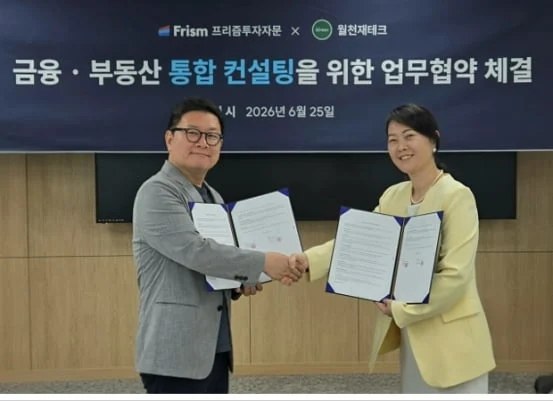
Prism Investment Advisory and Wolcheon Jaetech Sign Integrated Finance-Real Estate Consulting MOU
Prism Investment Advisory and Wolcheon Jaetech have agreed to strengthen integrated finance-real estate consulting. The partnership combines Prism’s long-term asset allocation approach with Wolcheon Jaetech’s real estate and wealth-content capabilities. Demand is rising for advice that reviews financial assets, housing, debt, taxes and cash flow together.
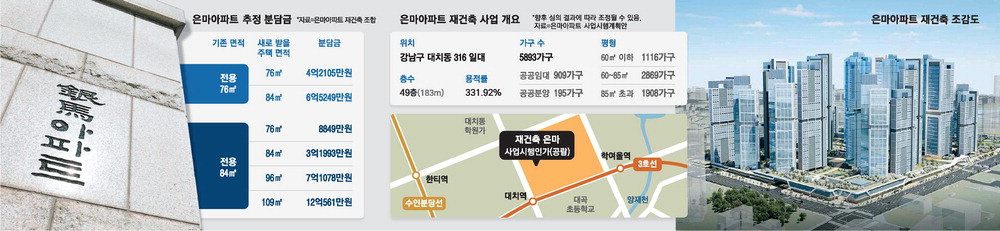
Eunma Apartment rebuild nears approval for 49-floor Daechi landmark
The Eunma Apartment reconstruction in Daechi-dong, Gangnam, is gaining speed as it nears project implementation approval. The plan for towers up to 49 floors could reshape the area’s skyline and new-home supply expectations. Education demand, reconstruction rules, costs and member contributions remain key variables.
Seoul Prepares Rent, Lending and Tax Data for Presidential Talks as Lease Costs Surge
Seoul is preparing to put rising jeonse, monthly rent and lending limits on the presidential agenda before next month’s tax reform. The package covers lease contracts by district, lending effects, possible tax pass-through and supply schedules. The core issue is whether tax, finance and supply policy can be coordinated before tenant costs rise further.
Seoul Starts The Dream House+ With 905 Public Homes for Youth and Students
The Dream House+, Seoul’s integrated youth housing policy brand, is moving into its first supply phase. A total of 905 public rental homes will be offered to young people and university students. The program turns the youth housing agenda announced in March into actual tenant recruitment. It is expected to help reduce rent pressure in Seoul’s high-cost renta
Seoul Apartments Over 20 Years Old Rise 5.48% in H1, Outpacing Newer Units
Seoul’s apartment market shifted in the first half from a new-build preference to older complexes with rebuilding potential. Apartments more than 20 years old rose 5.48%, the strongest gain by age group. High presale prices and tighter lending narrowed options for end users. Location and redevelopment feasibility will likely decide the next phase.
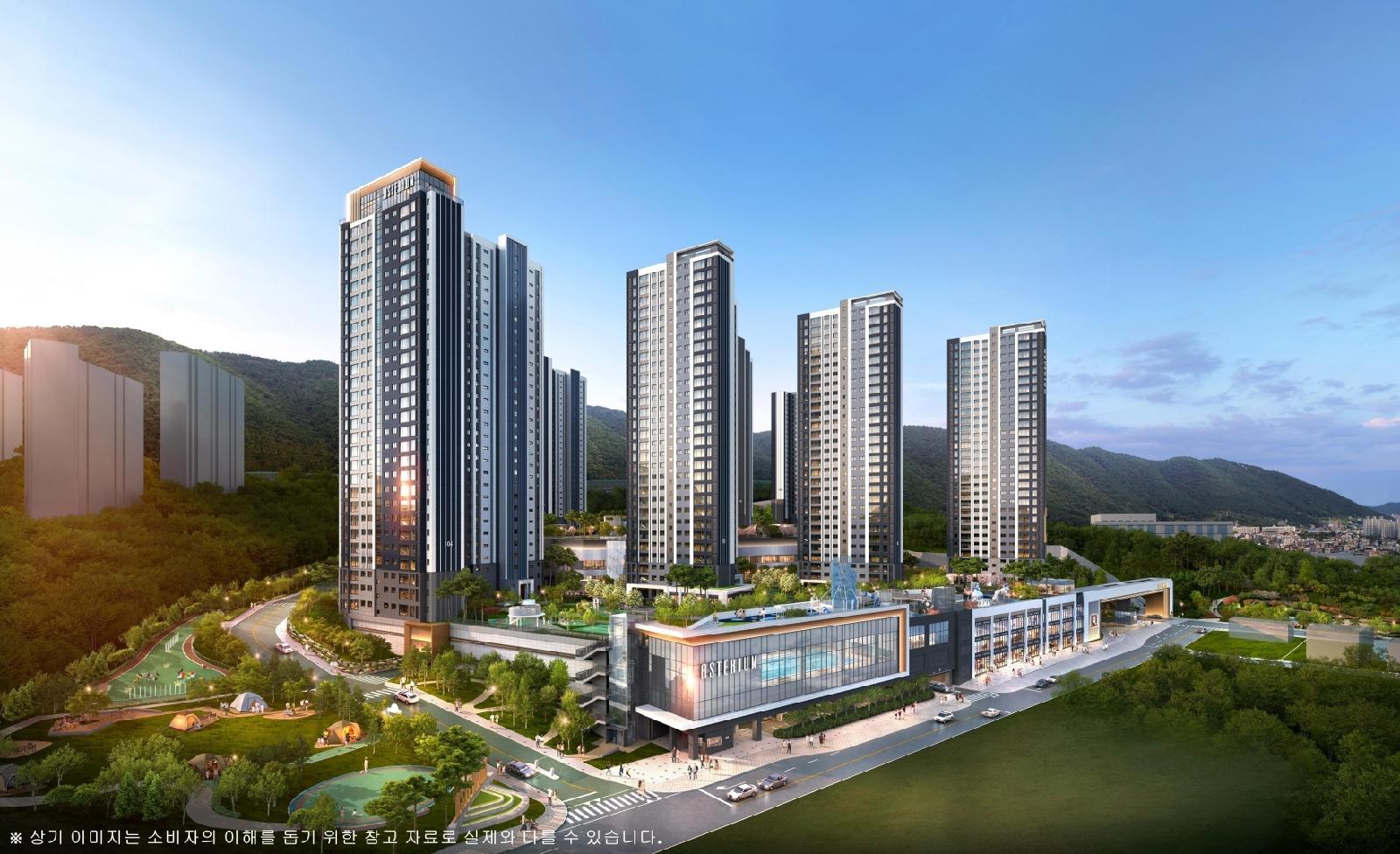
Dongbu’s Centreville Asterium Geoje Set for July Sale Near Shipyard Jobs
Dongbu Construction is preparing a July launch for Centreville Asterium Geoje in Sangdong-dong, Geoje. The project targets end-user demand tied to the city’s shipbuilding workforce. Its appeal rests on proximity to major shipyard job centers and the application of Dongbu’s high-end residential brand.