Seoul Station Apartments Gain Value as a Base for Nationwide Commuting
Apartments near Seoul Station are being revalued as homes that support commuting beyond the Seoul metro area. A pharmacist in his 40s travels daily from Seoul to Iksan while keeping his family’s life base in the capital. The case shows how rail access, transfer efficiency and predictable travel time now shape housing demand.

The strength of a Seoul Station apartment is no longer limited to its downtown address. It lies in making nationwide commuting a realistic residential strategy. A pharmacist in his 40s who lives in Seoul and travels daily to Iksan in North Jeolla illustrates a shift in Korea’s housing logic: a job can be outside the capital while the family base, schools, spouse’s work and medical or cultural infrastructure remain in Seoul.
A Super-Regional Commute
Seoul Station connects high-speed rail, subway lines, airport rail and buses. Living nearby allows a resident to move from home to the station and then directly toward major regional cities. The Seoul-to-Iksan commute is not just an unusual story; it shows how high-speed rail can separate workplace location from household location.
Predictable Time Matters
The value of a nationwide-commuting apartment depends on more than having a train nearby. Morning train availability, last-mile access, late return routes and family convenience all matter. Buyers must also review won-denominated purchase costs, DSR lending rules, holding taxes, maintenance fees and parking. Demand around Seoul’s transport hubs is likely to become more segmented around mobility, time savings and the ability to preserve a family living zone.
Key points
- Apartments near Seoul Station are being revalued as homes that support commuting beyond the Seoul metro area. A pharmacist in his 40s travels daily from Seoul to Iksan while keeping his family’s life base in the capital. The case shows how rail access, transfer efficiency and predictable travel time now shape housing demand.
- Use the body and FAQ context before acting on this update.
- Compare with related issues inside the category hub.
FAQ
Why are Seoul Station apartments linked to nationwide commuting?
They sit near high-speed rail, subway, airport rail and bus connections that link Seoul with major regional cities.
Is a daily Seoul-to-Iksan commute realistic?
It can be realistic for some workers if train times, station access and fatigue levels fit their schedule.
What should buyers check first?
Actual door-to-station time, train frequency, late return options, lending rules, fees and parking conditions.
Latest stories

Apartment Public Price Appeals Hit Five-Year High, but Acceptance Stays Below 2%
Appeals against publicly assessed apartment prices rose to the highest level in five years after higher valuations increased tax concerns. Fewer than 2% led to adjustments. The assessed price matters because it affects property tax, comprehensive real estate tax and other household costs.
Seoul Median-Income Households Find Apartments Out of Reach Despite 6.8 Million Won Pay
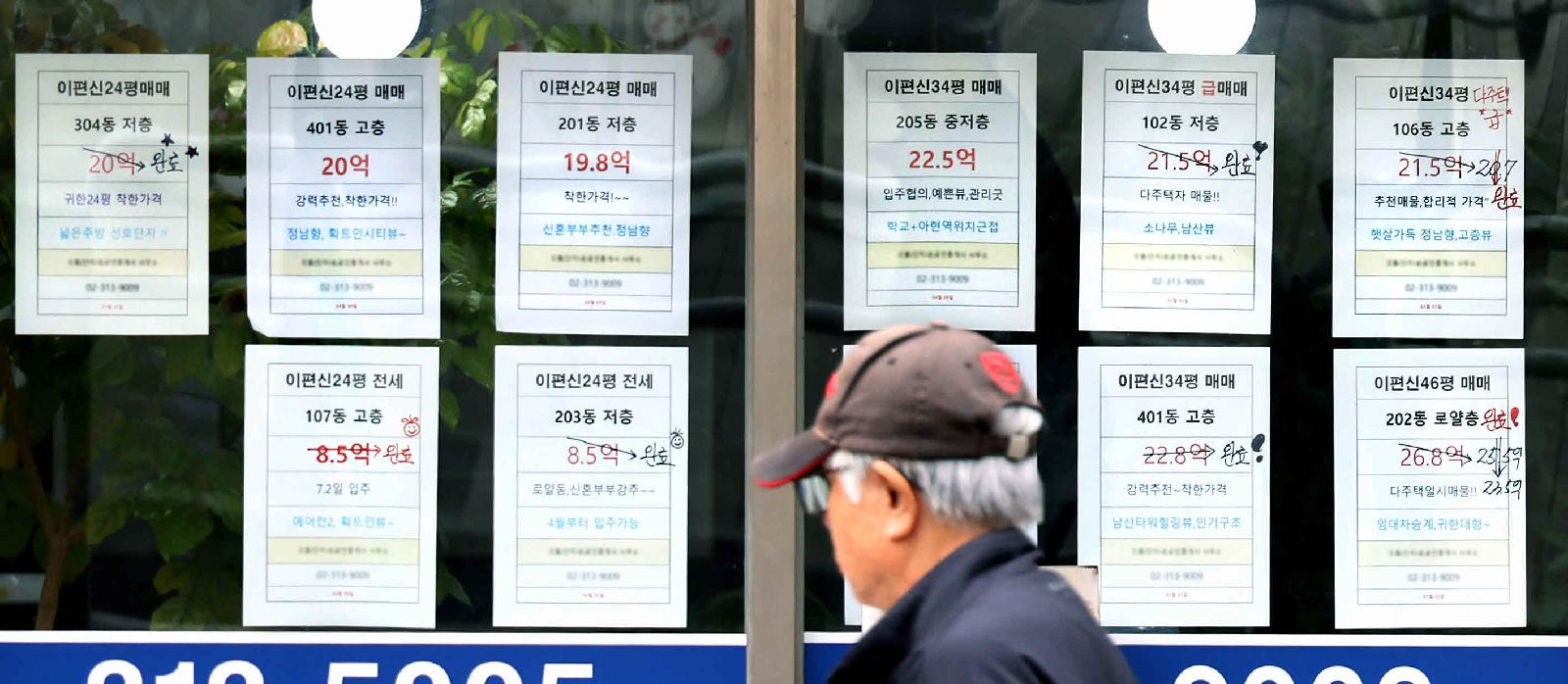
Housing affordability for Seoul’s median-income households is weakening. A monthly income of roughly 6.8 million won is no longer enough when high apartment prices, lending caps and upfront cash needs overlap. Even under a 70% LTV assumption, taxes, fees and interest burdens reduce real purchasing power. The market is shifting toward buyers with large cash r
Seoul Mid-Priced Districts, Gwangmyeong, Seongnam and Dongtan Join Gangnam-Led Price Catch-Up
The Seoul metropolitan housing market is seeing a price catch-up cycle after early gains in Gangnam, Seocho and Yongsan. Buyers are turning to lower-priced Seoul districts and nearby Gyeonggi cities with good access to the capital. Trading is more active in less-regulated areas, while high-priced core districts face thinner transactions. The market is being
Mok-dong 6 Reconstruction Picks DL E&C for 1.3 Trillion Won Landmark Project
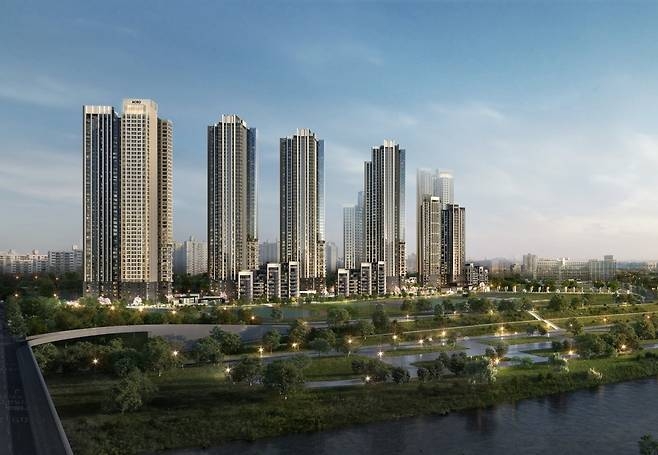
DL E&C has secured the construction contract for Mok-dong 6. The project is valued at about 1.3 trillion won and is one of the leading redevelopment sites in Mokdong New Town. The decision is expected to influence new apartment supply in Yangcheon District and competition across southwest Seoul’s reconstruction market.
Penta Hills W Complex 1 Draws Visitors Ahead of June 29 Special Supply
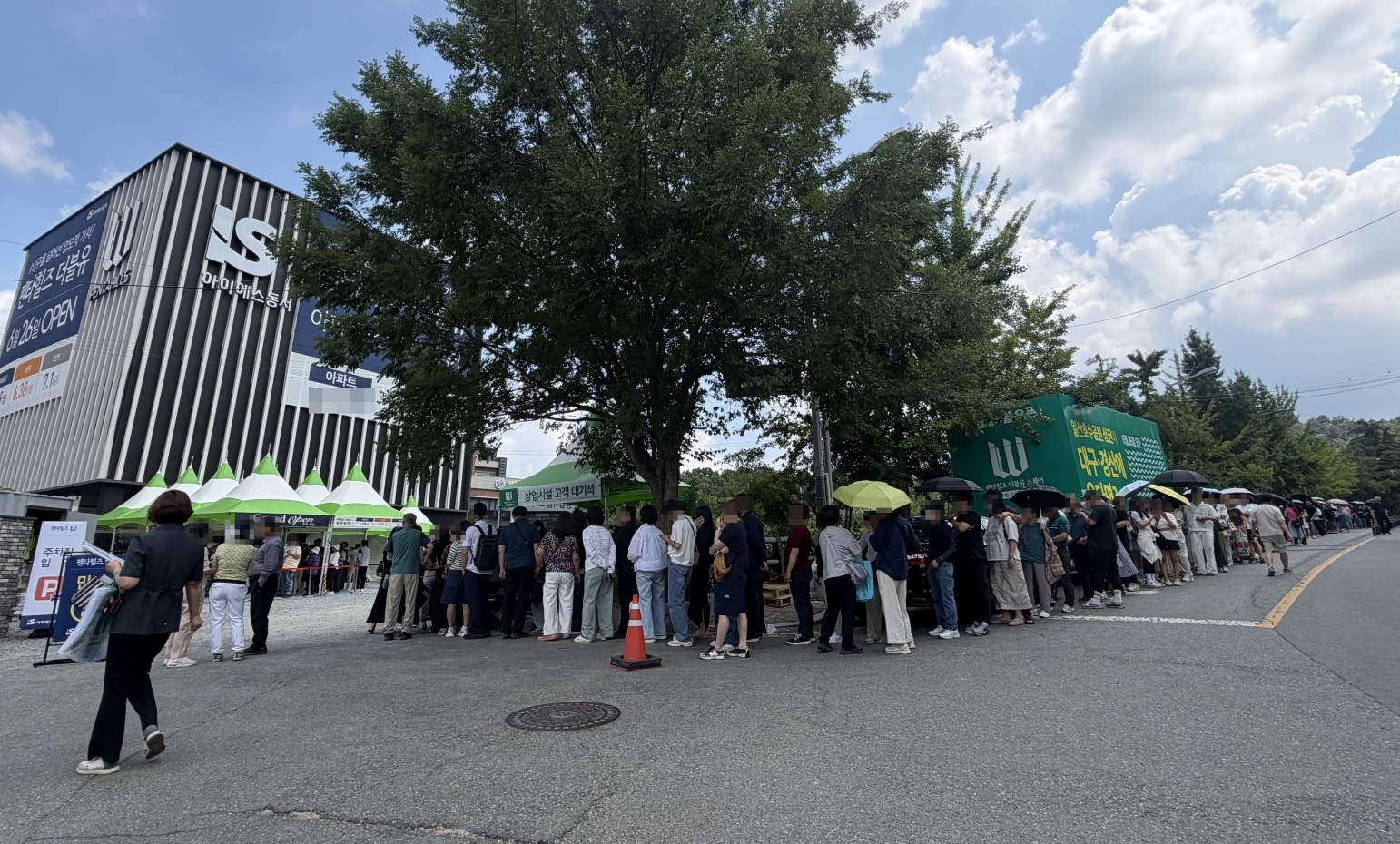
Visitor traffic continues at the Penta Hills W Complex 1 model home. Jungsan District has strong residential preference but limited new supply in recent periods. Interest in pricing and unit planning is feeding demand ahead of the application schedule. The project begins with special supply applications on June 29.
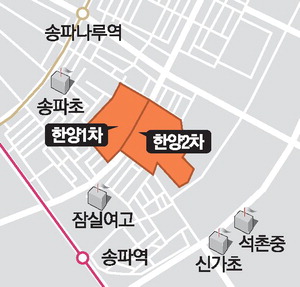
Songpa Hanyang 1 and 2 Reconstruction Gains Speed as Prices React
The Songpa Hanyang 1 and 2 reconstruction projects are gaining momentum. Hanyang 2 selected a contractor earlier this year, while Hanyang 1 is moving toward formal redevelopment district designation. The progress is raising expectations for older apartments in Songpa and influencing asking prices.
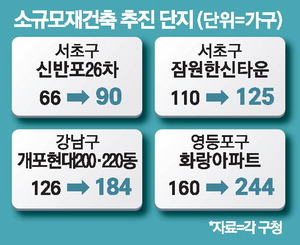
Gangnam Standalone Apartment Redevelopments Restart as Price Gains Revive Feasibility
Small redevelopment sites in Gangnam are regaining momentum. Projects slowed by surging construction costs and weak feasibility are being recalculated as nearby new apartment prices climb. The burden on association members remains high because public-sale units are limited. Future progress depends on construction costs, rates and Gangnam price trends.
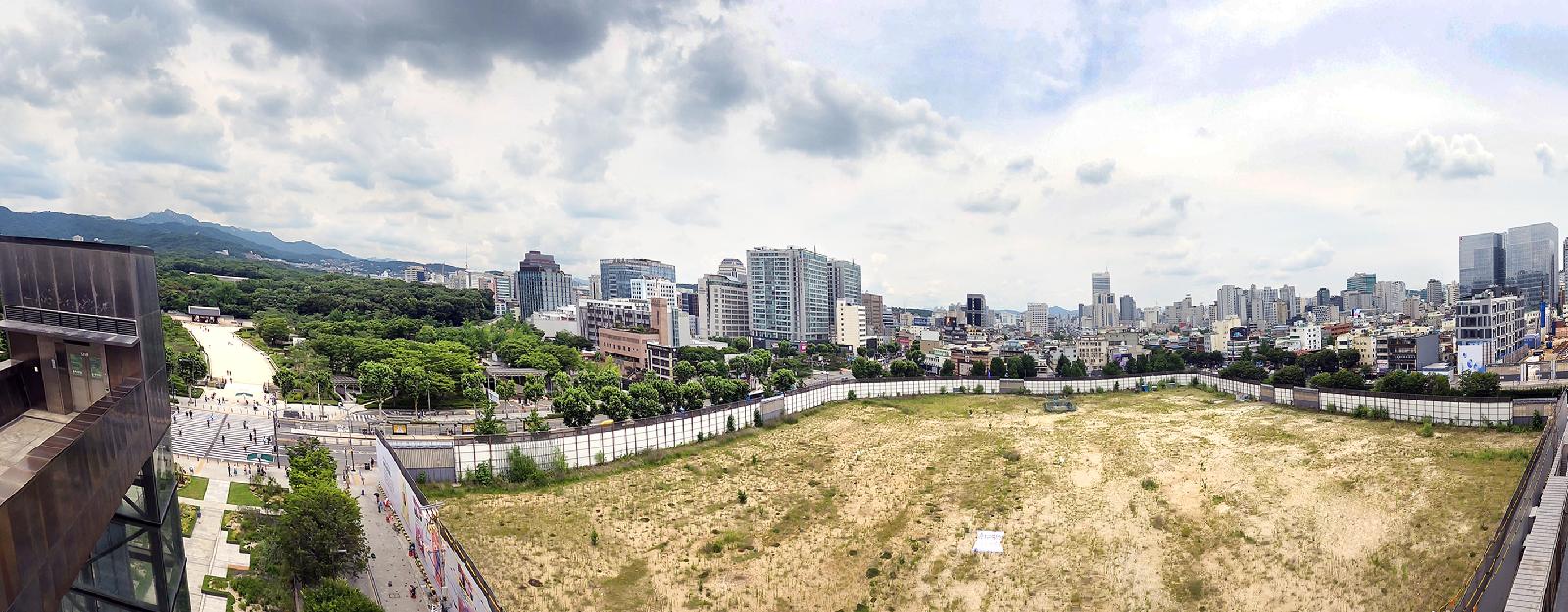
Seun District 4 redevelopment near Jongmyo gains momentum as Seoul reviews heritage assessment
Seoul is considering accepting a World Heritage assessment for the Seun District 4 redevelopment. The move is intended to settle disputes and accelerate approval of changes to the project plan. Resident consent is required before the assessment can begin. If the process leads to lower building heights, opposition may intensify.