Gangnam Reconstruction Enters Era of 1 Billion Won Contributions
Gangnam reconstruction is no longer a guaranteed wealth engine. Rising construction and financing costs can push additional member contributions toward 1 billion won. Investors must examine project feasibility, payment capacity and presale revenue before relying on location alone.
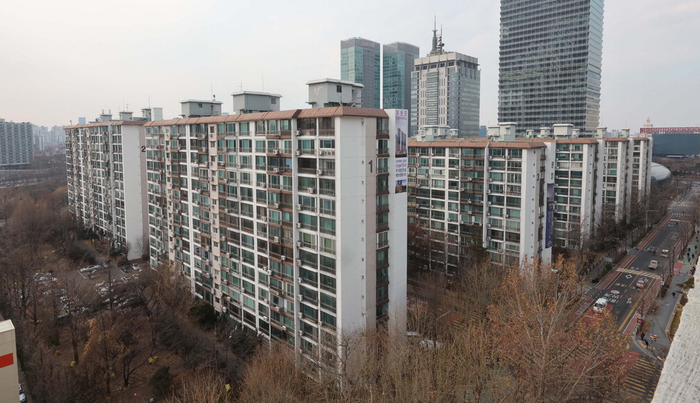
The decisive variable in Gangnam reconstruction is no longer just location. Additional contributions for association members are now being discussed at levels near 1 billion won, turning reconstruction from a simple asset-upgrading strategy into a project that requires cash strength and strict feasibility checks.
The old upgrade formula is breaking
In the past, owners of small 10-pyeong-range apartments could often move into new 30-pyeong-range homes with limited extra payment. That worked because general presale revenue was strong and construction costs were lower. Today, building costs, interest expenses, relocation financing and approval delays have all become heavier. Even when the future apartment value rises, the member’s required payment rises with it.
A 1 billion won contribution in Gangnam is no longer just a stress scenario. The actual burden depends on the appraised value of the old unit, selected unit size, member sale price, general presale price and any increase in construction costs. Owners moving from small to mid- or large-sized units face the sharpest pressure, especially under loan limits and higher interest rates.
What to check first
Investors must start with the upper range of expected contributions. The gap between today’s price and the expected new-home value is not enough. They need to review construction cost per 3.3 square meters, the possibility of cost increases, general presale volume, price regulation exposure and the risk of project delays. For members, the key question is not only the profit after move-in but whether they can survive the payment schedule before completion.
The market is entering a sharper selection phase. Gangnam’s subway access, schools and large complexes still matter, but cost control, transparent association management and general presale profitability now decide value. In the 1 billion won contribution era, the winning reconstruction project is the one whose costs can be financed through to the end.
Key points
- Gangnam reconstruction is no longer a guaranteed wealth engine. Rising construction and financing costs can push additional member contributions toward 1 billion won. Investors must examine project feasibility, payment capacity and presale revenue before relying on location alone.
- Use the body and FAQ context before acting on this update.
- Compare with related issues inside the category hub.
FAQ
Why is a 1 billion won contribution important in Gangnam reconstruction?
It shows that rising construction and financing costs can create major cash pressure for members before move-in.
Is buying a small old unit to receive a larger new one still viable?
It is much harder now. Larger unit selection can sharply raise the required contribution and financing burden.
What should investors review first?
Expected contribution, construction cost escalation, presale revenue, project delay risk and loan availability.
Latest stories
Seoul Prepares Rent, Lending and Tax Data for Presidential Talks as Lease Costs Surge
Seoul is preparing to put rising jeonse, monthly rent and lending limits on the presidential agenda before next month’s tax reform. The package covers lease contracts by district, lending effects, possible tax pass-through and supply schedules. The core issue is whether tax, finance and supply policy can be coordinated before tenant costs rise further.
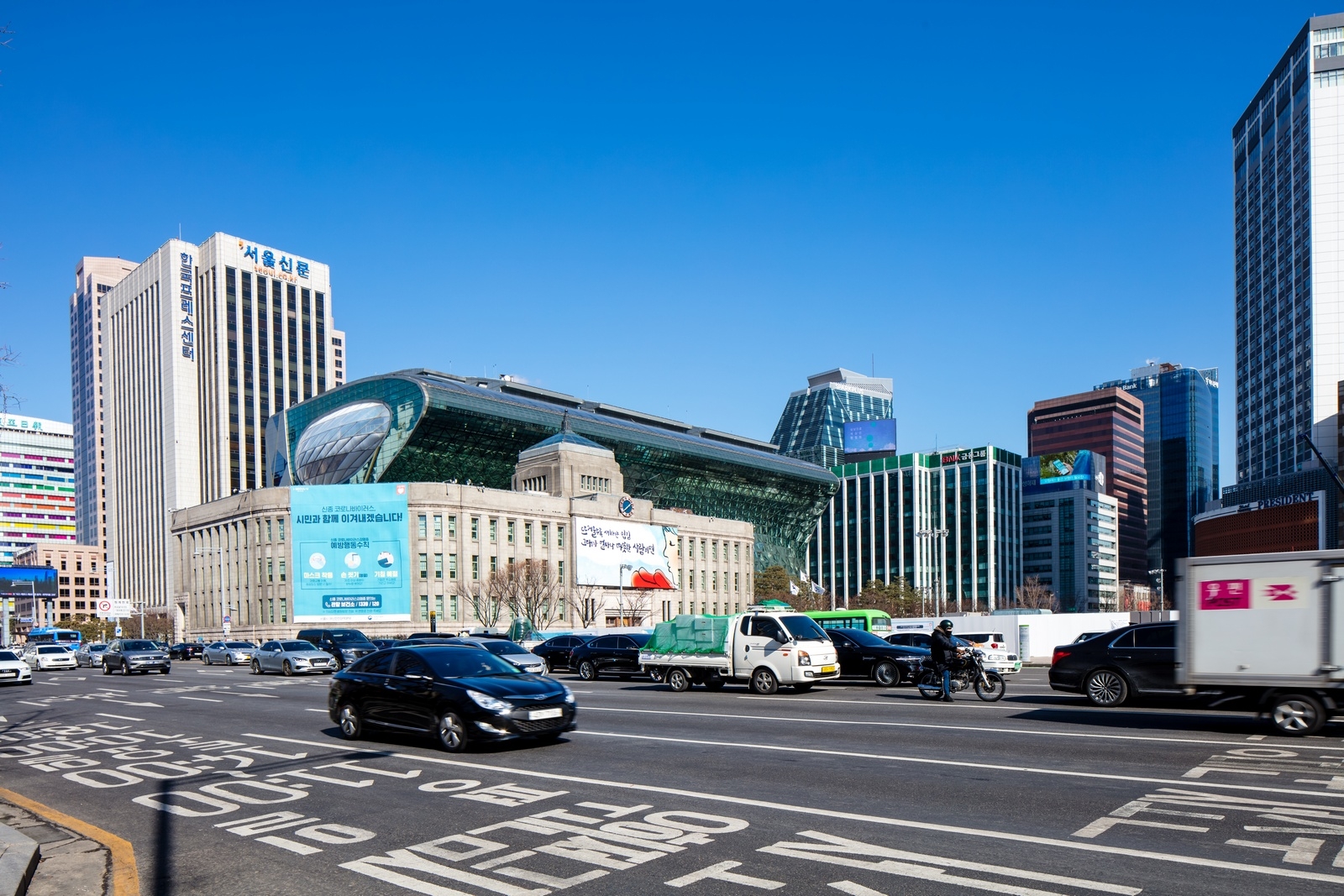
Seoul Starts The Dream House+ With 905 Public Homes for Youth and Students
The Dream House+, Seoul’s integrated youth housing policy brand, is moving into its first supply phase. A total of 905 public rental homes will be offered to young people and university students. The program turns the youth housing agenda announced in March into actual tenant recruitment. It is expected to help reduce rent pressure in Seoul’s high-cost renta
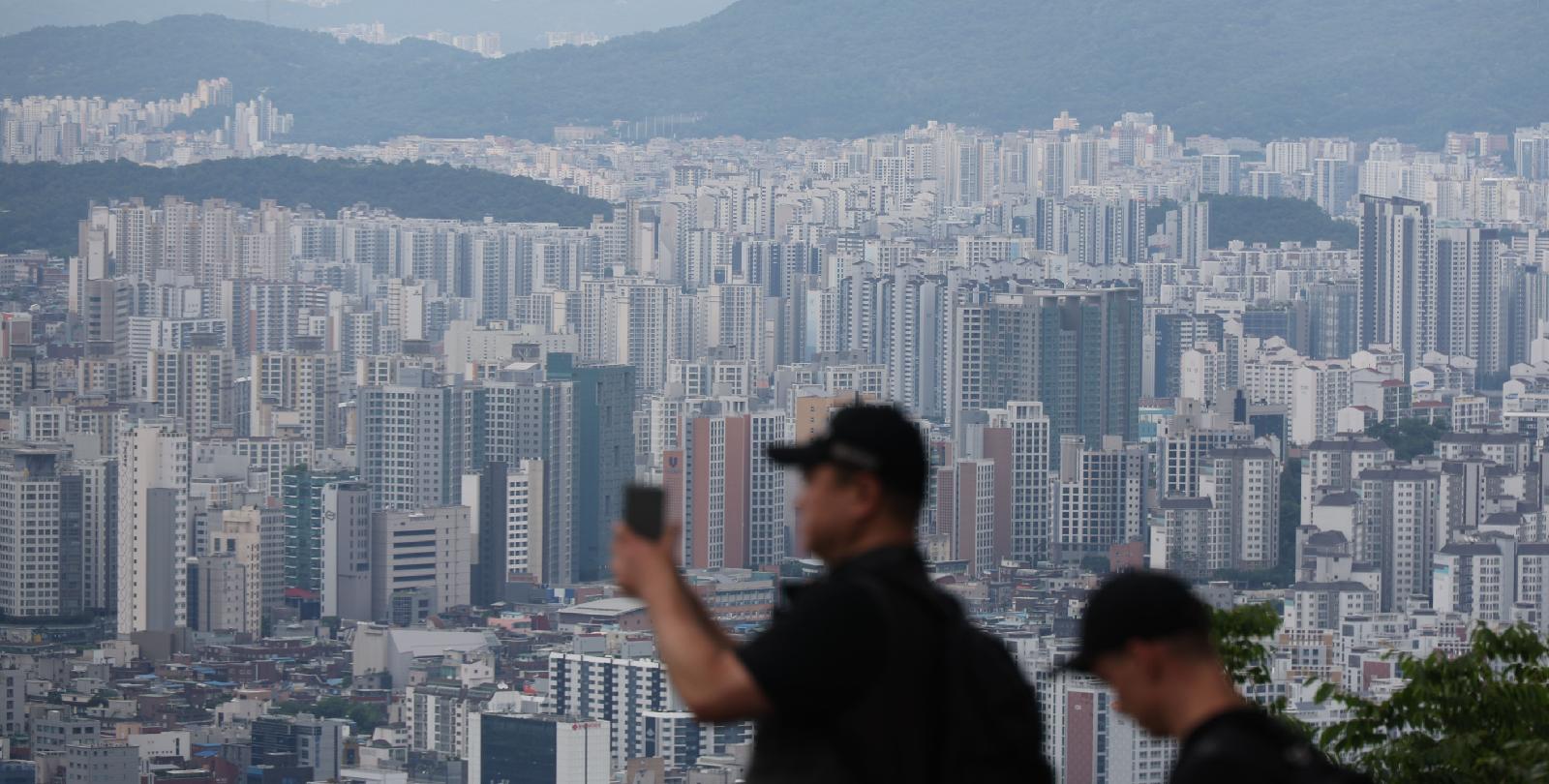
Seoul Apartments Over 20 Years Old Rise 5.48% in H1, Outpacing Newer Units
Seoul’s apartment market shifted in the first half from a new-build preference to older complexes with rebuilding potential. Apartments more than 20 years old rose 5.48%, the strongest gain by age group. High presale prices and tighter lending narrowed options for end users. Location and redevelopment feasibility will likely decide the next phase.
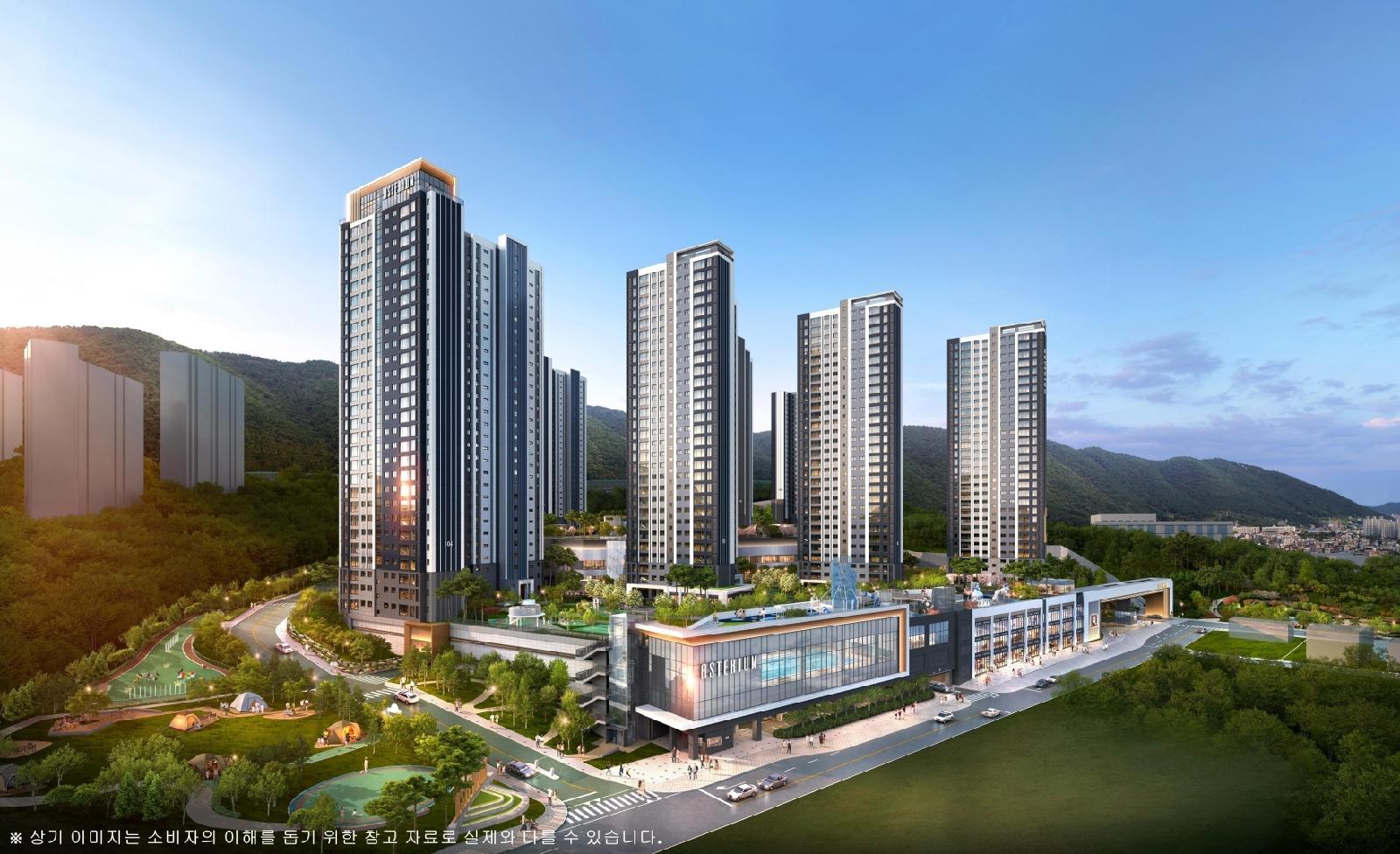
Dongbu’s Centreville Asterium Geoje Set for July Sale Near Shipyard Jobs
Dongbu Construction is preparing a July launch for Centreville Asterium Geoje in Sangdong-dong, Geoje. The project targets end-user demand tied to the city’s shipbuilding workforce. Its appeal rests on proximity to major shipyard job centers and the application of Dongbu’s high-end residential brand.

Apartment Public Price Appeals Hit Five-Year High, but Acceptance Stays Below 2%
Appeals against publicly assessed apartment prices rose to the highest level in five years after higher valuations increased tax concerns. Fewer than 2% led to adjustments. The assessed price matters because it affects property tax, comprehensive real estate tax and other household costs.
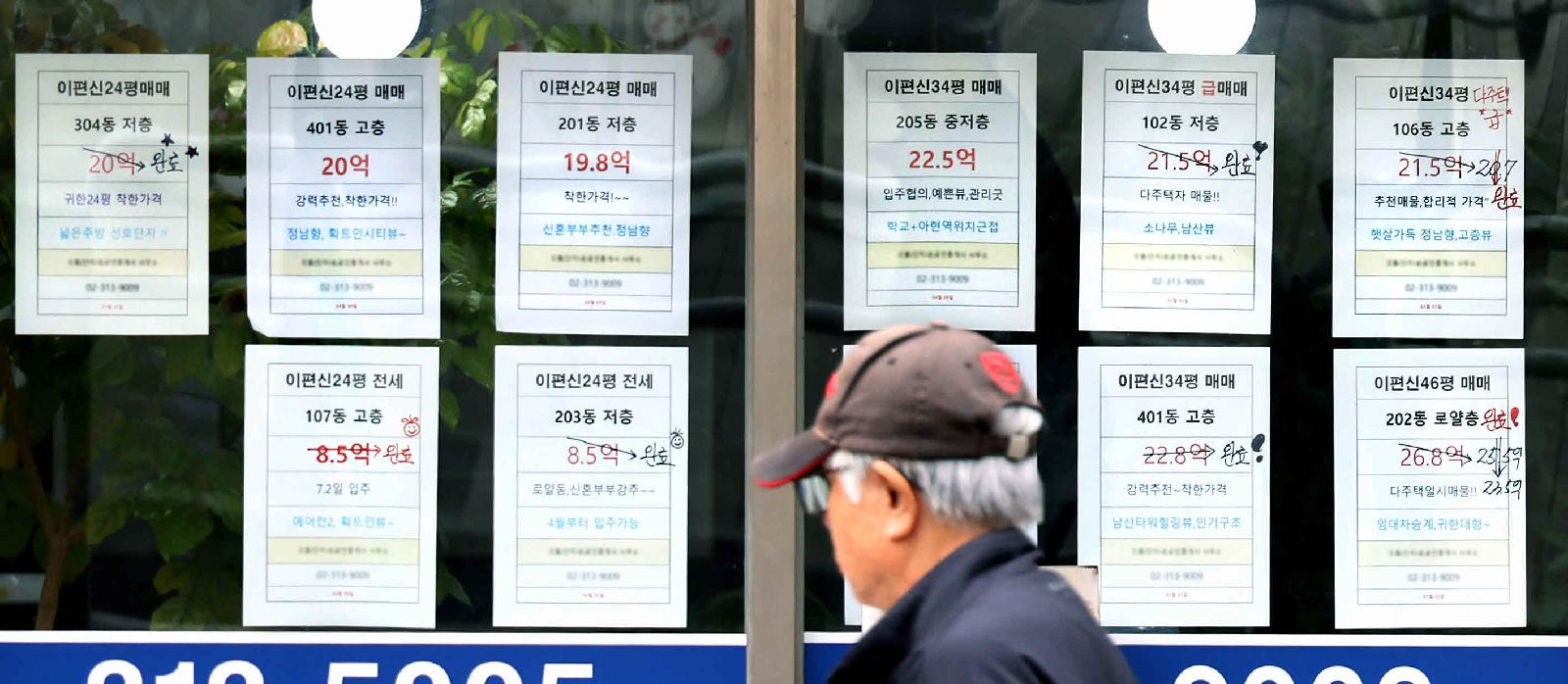
Seoul Median-Income Households Find Apartments Out of Reach Despite 6.8 Million Won Pay
Housing affordability for Seoul’s median-income households is weakening. A monthly income of roughly 6.8 million won is no longer enough when high apartment prices, lending caps and upfront cash needs overlap. Even under a 70% LTV assumption, taxes, fees and interest burdens reduce real purchasing power. The market is shifting toward buyers with large cash r
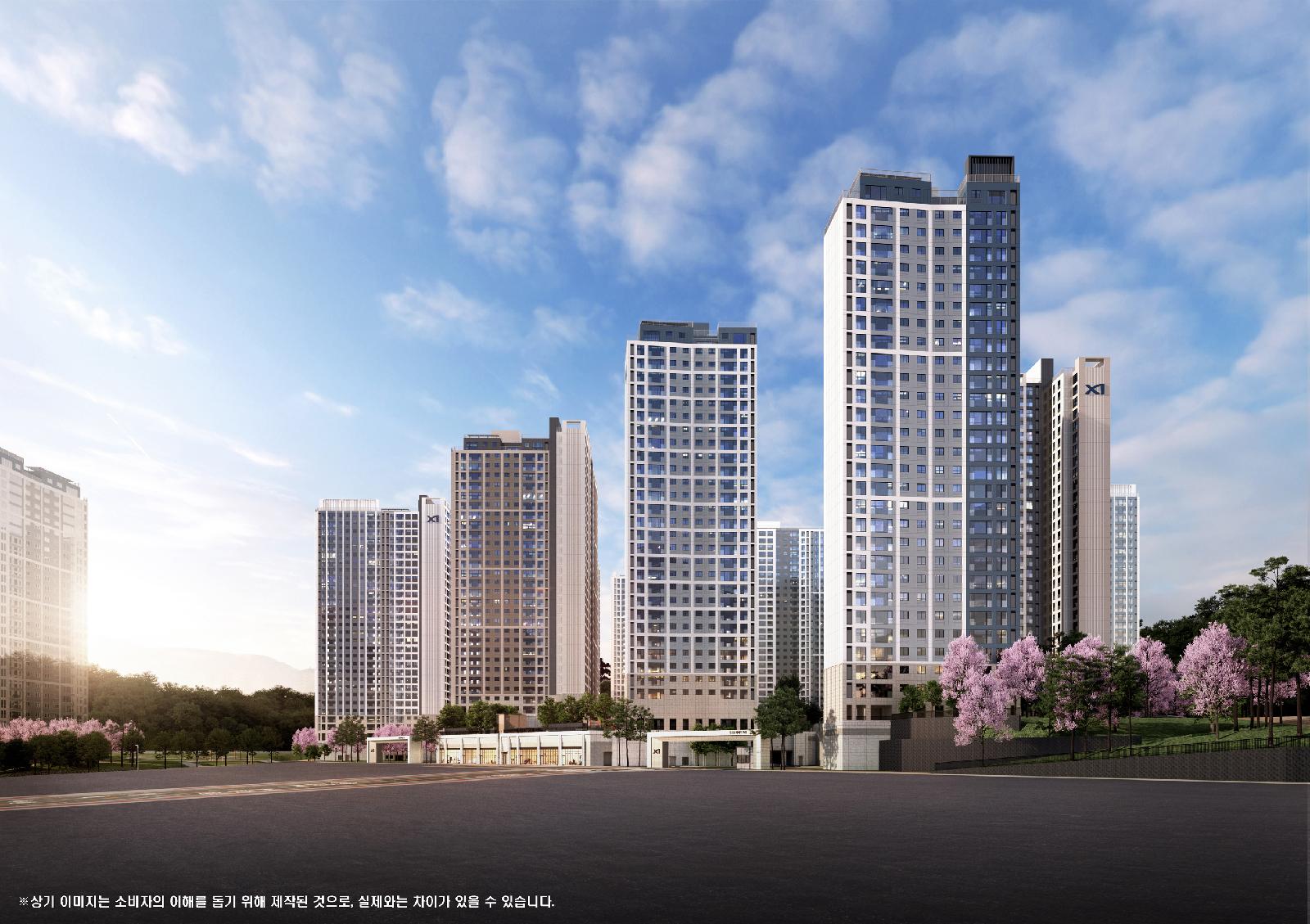
Seoul Mid-Priced Districts, Gwangmyeong, Seongnam and Dongtan Join Gangnam-Led Price Catch-Up
The Seoul metropolitan housing market is seeing a price catch-up cycle after early gains in Gangnam, Seocho and Yongsan. Buyers are turning to lower-priced Seoul districts and nearby Gyeonggi cities with good access to the capital. Trading is more active in less-regulated areas, while high-priced core districts face thinner transactions. The market is being
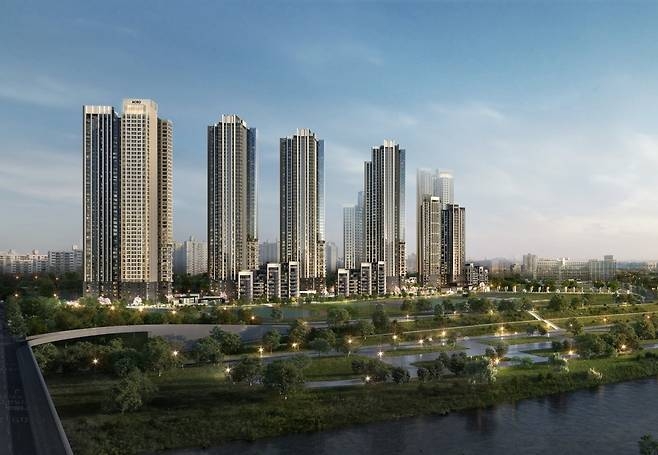
Mok-dong 6 Reconstruction Picks DL E&C for 1.3 Trillion Won Landmark Project
DL E&C has secured the construction contract for Mok-dong 6. The project is valued at about 1.3 trillion won and is one of the leading redevelopment sites in Mokdong New Town. The decision is expected to influence new apartment supply in Yangcheon District and competition across southwest Seoul’s reconstruction market.