Korea’s Real Estate Policy Forum Opens With Mandatory Homeownership Data
The government’s online real estate policy forum faced immediate scrutiny over required personal and housing data. Users had to enter identifying details and residential status before commenting. Views on New Home loans, property tax and housing supply appeared, but privacy concerns may limit participation.
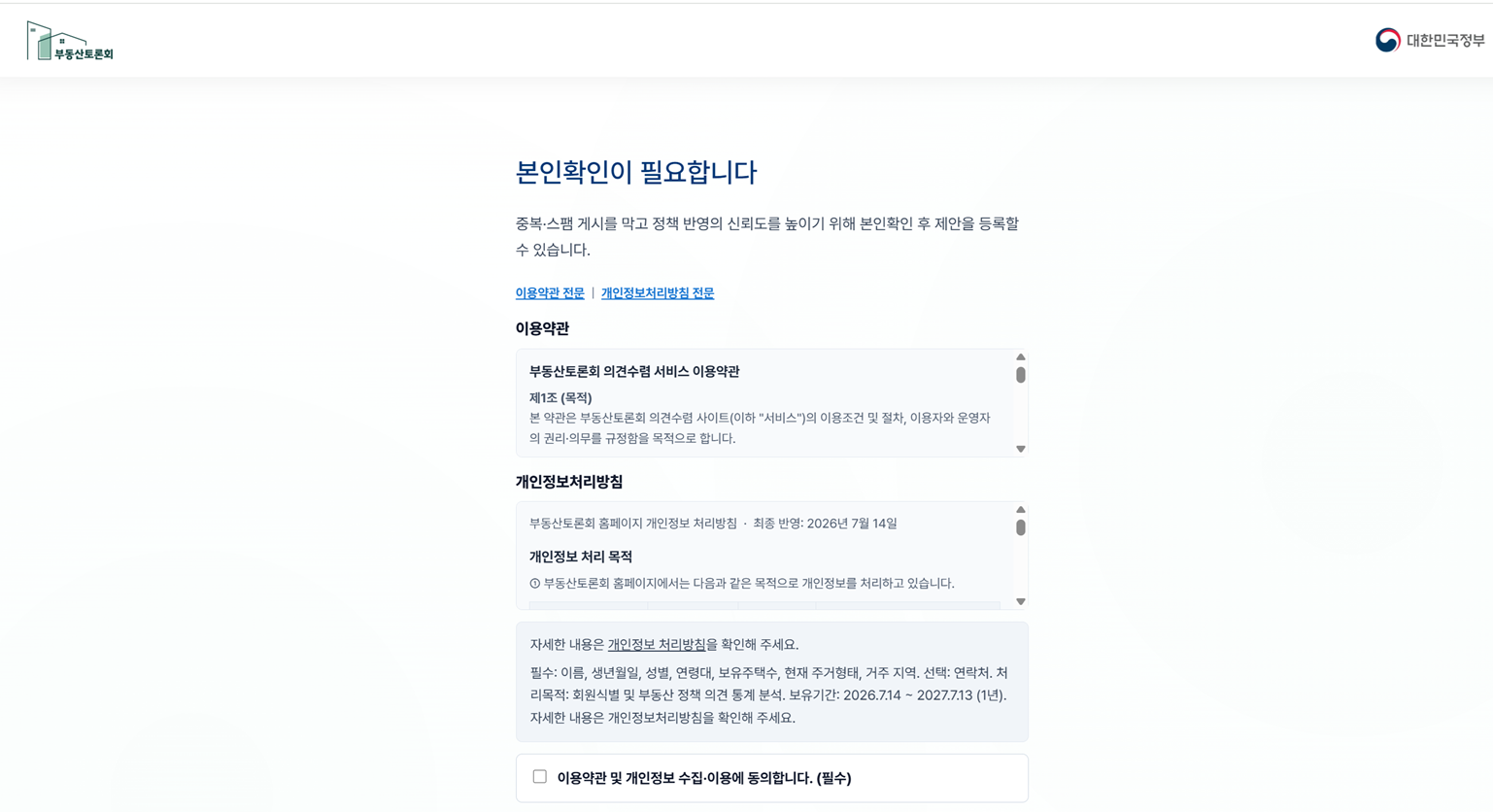
The new online forum for real estate policy opened with a controversy over what citizens must disclose before speaking. Participants seeking to submit opinions were asked for their name and date of birth, along with housing type and the number of homes they own. In a policy area tied directly to household wealth, mortgages and taxes, that requirement placed personal housing status ahead of the comment itself.
Data Before Debate
The required fields went beyond a basic comment form. Housing type and homeownership count can reveal whether a person is a non-homeowner, single-home owner or multi-home owner. In Korea, that distinction affects mortgage limits, public housing access, acquisition rules and property tax exposure. When such information is mandatory, users may feel their policy views are being sorted by asset status first.
Comments on the first day focused on New Home loan terms, public presale access, property tax burdens, lending rules for end-users and housing supply. These issues affect groups differently: young households and newlyweds are sensitive to loan terms, while older single-home owners and multi-home owners face different tax pressures.
Trust Issue
The issue is not data use itself but necessity and transparency. Age and housing status can help analyze demand by group, but mandatory entry can discourage candid participation. The forum’s credibility will depend on clear disclosure of why each field is collected, how long it is stored and whether anonymous or optional submission will be allowed.
Key points
- The government’s online real estate policy forum faced immediate scrutiny over required personal and housing data. Users had to enter identifying details and residential status before commenting. Views on New Home loans, property tax and housing supply appeared, but privacy concerns may limit participation.
- Use the body and FAQ context before acting on this update.
- Compare with related issues inside the category hub.
FAQ
What information was required?
Users were required to enter their name, date of birth, housing type and number of homes owned before submitting comments.
Why is the homeownership question sensitive?
In Korea, homeownership status affects taxes, loans, housing eligibility and regulation, making it sensitive personal housing data.
What topics did users discuss?
Early comments focused on New Home loans, property tax burdens, lending rules for end-users and housing supply policy.
Latest stories
Seoul Luxury Apartment Demand Holds Firm as One Bailey Hits 13 Billion Won
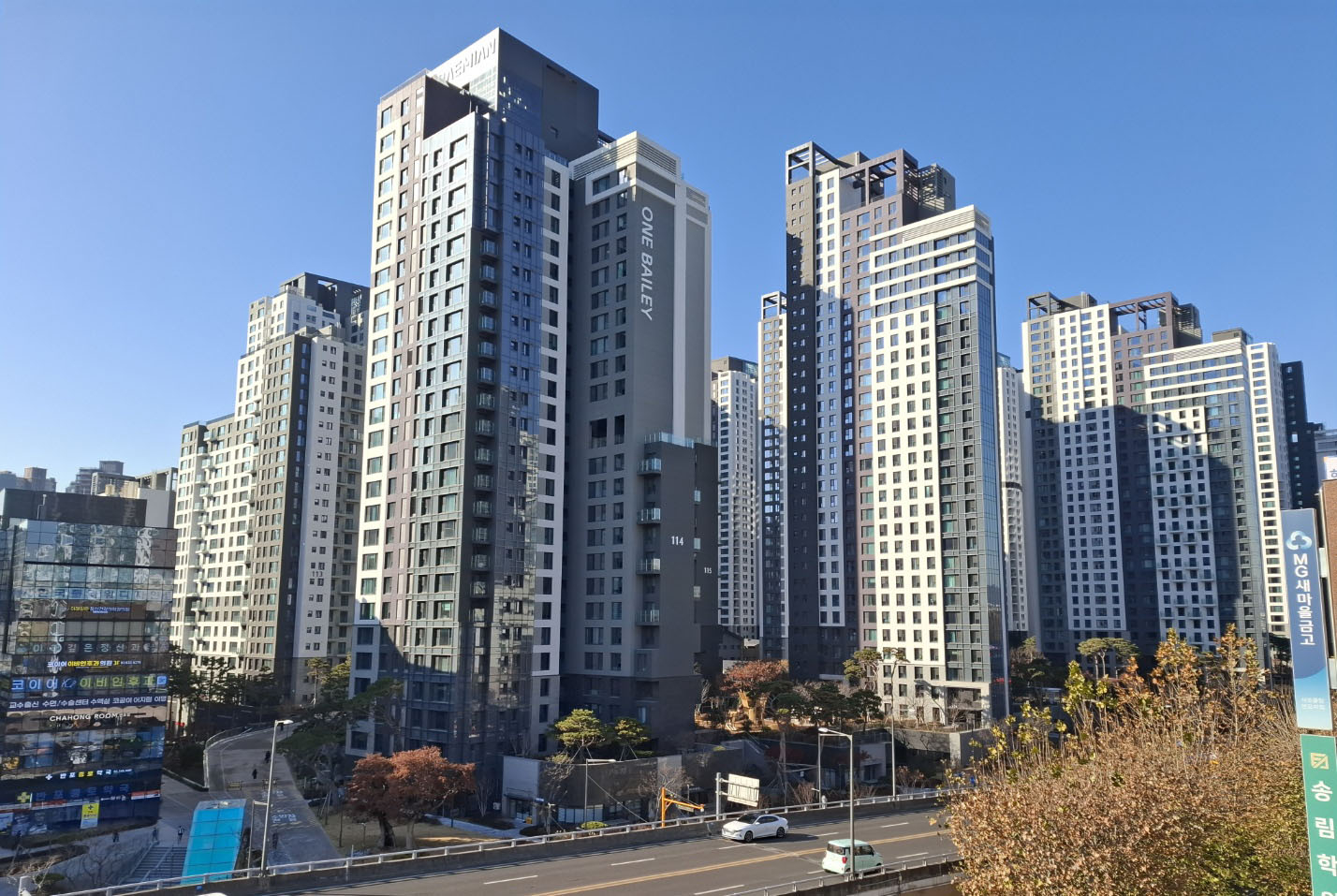
Seoul’s prime apartment market again showed strong price support in top Gangnam locations. A 67-pyeong unit at One Bailey in Banpo traded at a record 13 billion won. The national apartment sales price index rose 0.11% in the first week of July, while Seoul’s high-end segment continued to move differently from the broader market.
Gangdong and Songpa Public Rental Disputes Deepen Over Lease Extensions and Conversion Sales
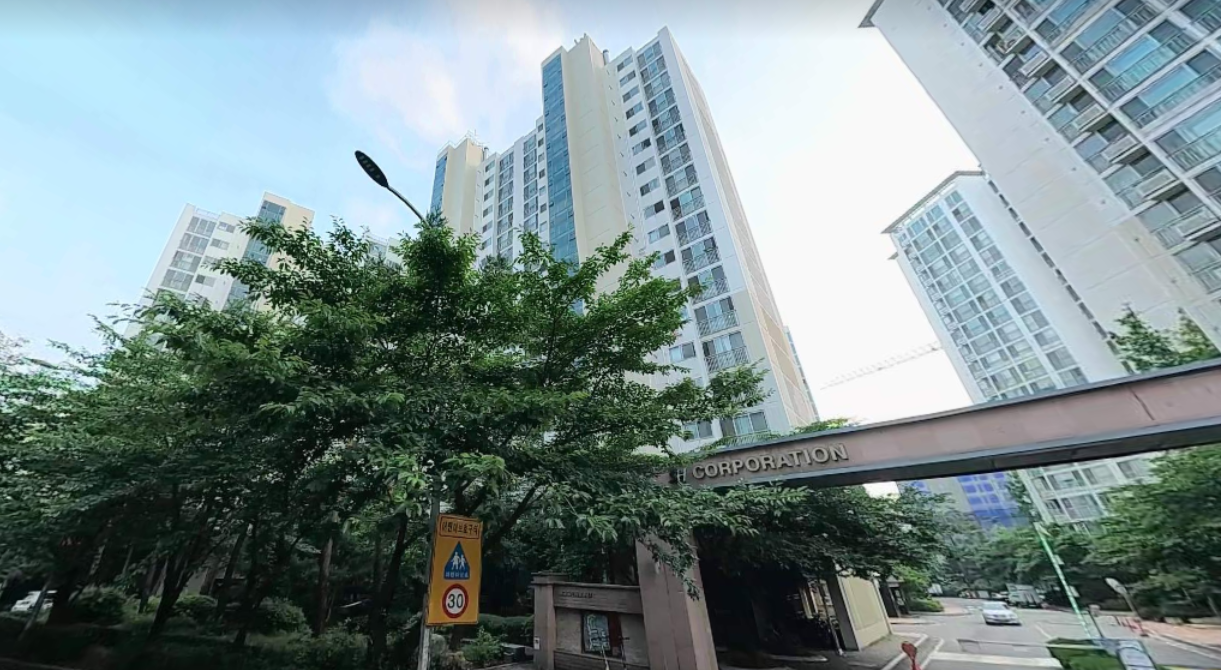
Lease extension and conversion-sale disputes are spreading across public rental housing in Seoul’s Gangdong and Songpa districts. Tenants argue that their deposits are no longer enough to resettle in the same area. The conflict is also tied to policy units reserved for newlyweds, making a quick settlement difficult.

Seoul Apartment Upward Deals Top Half in June, Jungnang Leads
In June 2026, upward transactions accounted for more than half of Seoul apartment sales. Jungnang District recorded the highest share among Seoul’s districts. The trend shows that price recovery is no longer limited to prime areas. Still, mortgage rules, interest rates and unit-level differences will keep the market uneven.

Xi Apartments to Add AI Home Services With LG ThinQ ON Hub
LG Electronics and GS Engineering & Construction are jointly developing a next-generation AI home system for Xi apartments. ThinQ ON will connect appliances and apartment infrastructure, learn resident routines, and suggest convenient services. LG CLOi robots may expand the model into delivery and serving tasks.

DH Bangbae Ahn Yu-jin 1.8bn Won Gain Reignites Subscription Fairness Debate
The DH Bangbae subscription issue involving Ahn Yu-jin has reopened a fairness debate in Korea’s housing market. The expected gain of about KRW 1.8 billion has shifted attention to whether capped-price Seoul apartments truly serve non-homeowner end users. The core issue is not one winner, but the gap between winning a unit and having enough cash to complete
DL Construction Named Preferred Bidder for W400 Billion Pyeongtaek Godeok Public Housing Project
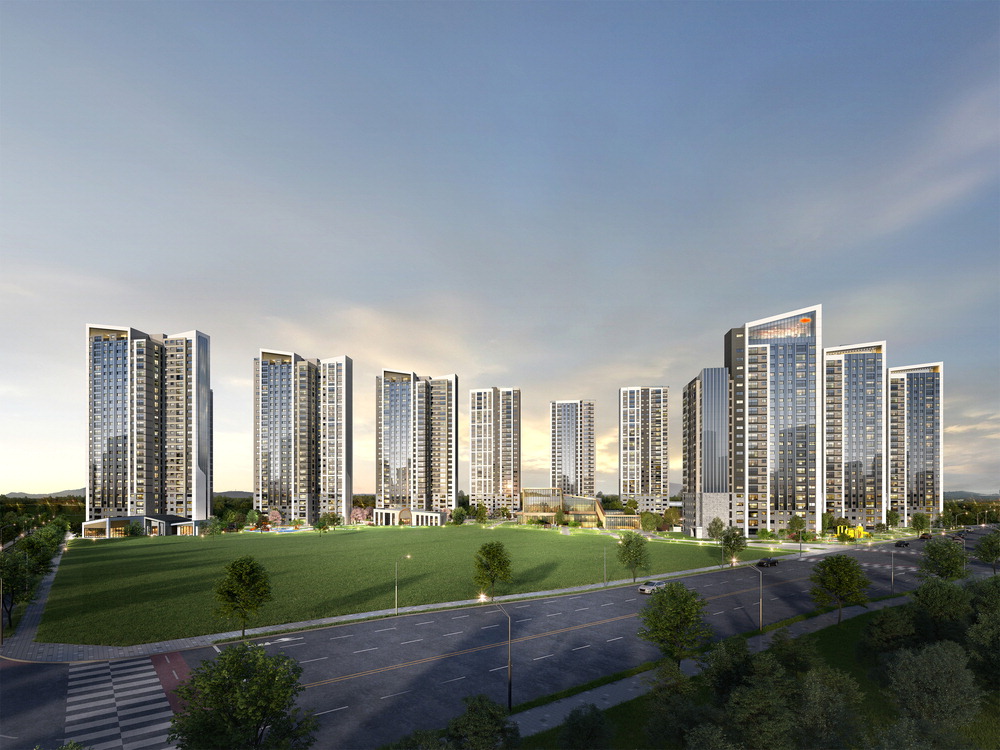
DL Construction has secured preferred bidder status for the Pyeongtaek Godeok A-70BL public-private housing project. The project is valued at about W400 billion and is led by LH. It is expected to shape housing supply in Pyeongtaek’s Godeok district and the southern Seoul metropolitan market.

Lease option-fee reporting targets hidden rent hikes in Korea
Private rental contracts in Korea will include management charges, usage fees and furniture or appliance option fees in lease reporting. The change makes real monthly housing costs visible beyond deposit and rent. Landlords will need clearer fee details, while tenants can compare homes by total cost. The impact is expected to be strongest in studios and offi
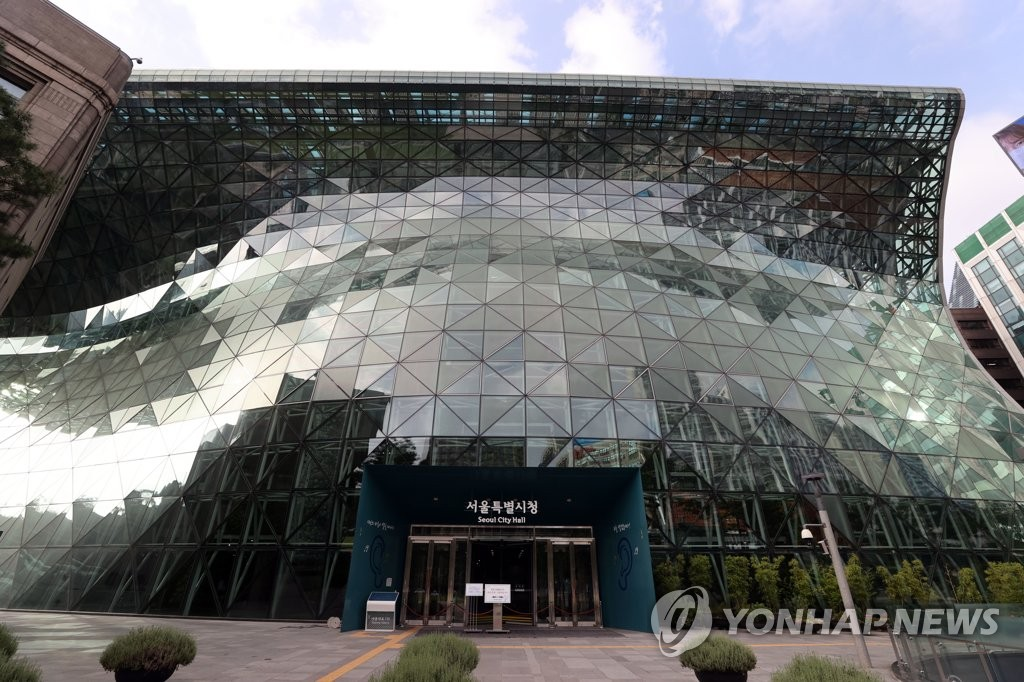
Kim Se-shin Tapped as Seoul Housing and Real Estate Policy Chief for Ninth Elected City Administration
Kim Se-shin has been tapped as Seoul’s next senior housing and real estate policy official. The role will steer housing supply, redevelopment coordination, and market response. Key challenges include supply shortages, uneven price recovery, jeonse stability, and coordination with national regulations.