Dongtan Spillover Lifts Byeongjeom and Namyangju Home Prices After Oct. 15 Measures
A clear spillover is spreading across the Seoul metropolitan housing market. Since the Oct. 15 measures, purchase funds flowing into unregulated areas have risen 1.6 times. Namyangju near Guri and Byeongjeom next to Dongtan are seeing rapid asking-price increases. Buyers must compare lifestyle access with short-term price risk.
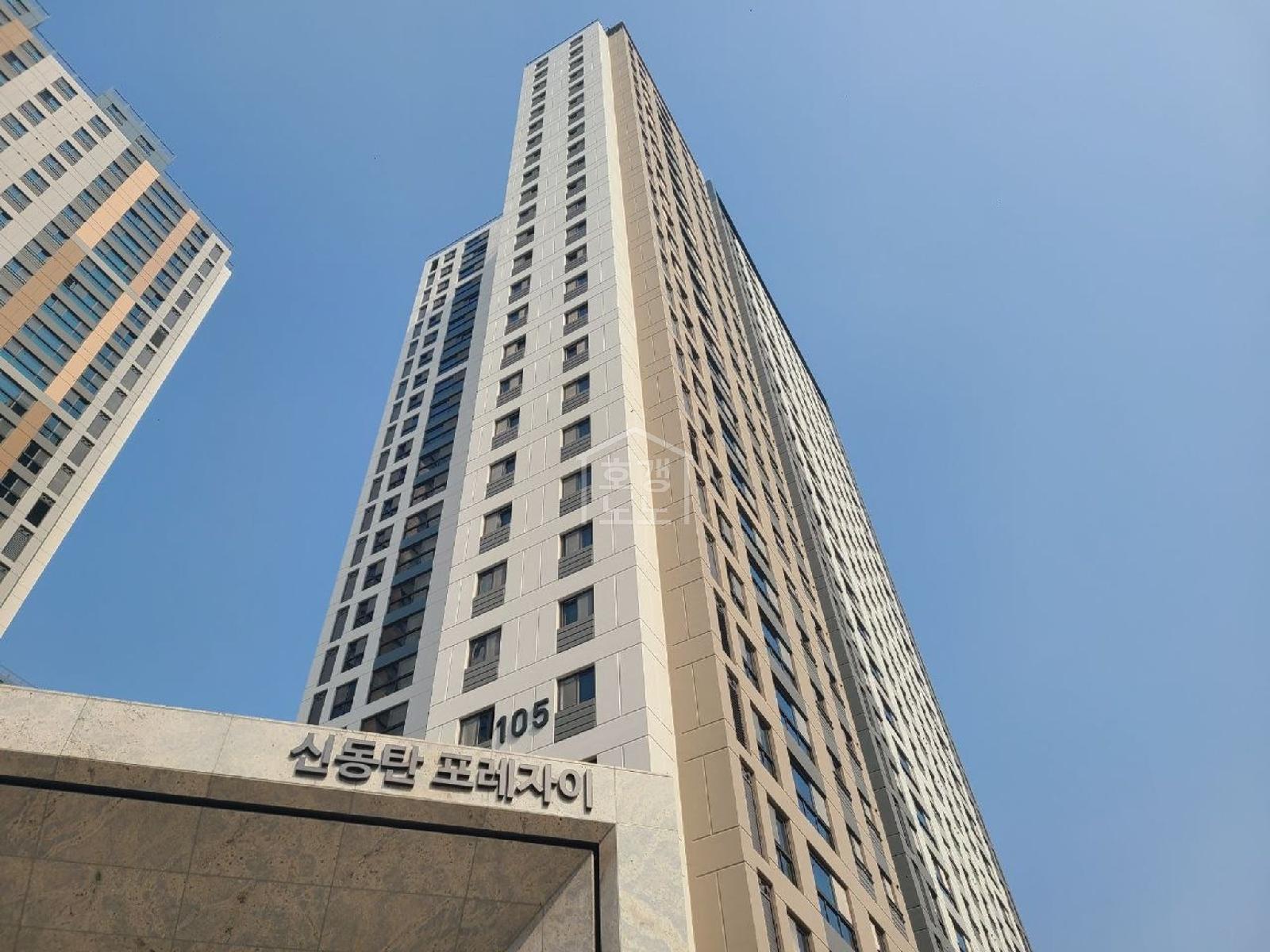
Buyer demand in the Seoul metropolitan area is shifting beyond regulated districts. Since last year’s Oct. 15 housing measures, funds have moved into nearby unregulated neighborhoods, pushing up apartment asking prices in Namyangju and Byeongjeom. Areas bordering stronger markets are reacting first because buyers still want the same commuting zone but face lower regulatory pressure.
Demand Moves Beyond the Boundary
The key change is not a disappearance of demand but a relocation of it. Purchase funds in unregulated areas have increased 1.6 times since the measures. Buyers are comparing loan limits, taxes, entry prices and daily access, then choosing adjacent markets with fewer restrictions.
Namyangju and Byeongjeom Lead the Move
Namyangju benefits from its contact with Guri and access to northeast Seoul. Byeongjeom is gaining attention because it shares a living zone with Hwaseong’s Dongtan district. In some apartment complexes, asking prices rose by tens of millions of won within a day. This is still mainly an asking-price move, so actual transaction prices and volume must confirm the trend.
What Buyers Should Watch
The market is increasingly pricing lifestyle zones rather than only administrative borders. Transport, schools, shopping and commuting time are becoming decisive. Still, fast-rising asking prices can reverse if transactions do not follow. The next phase is likely to favor areas where proximity to regulated districts, transport upgrades and actual deal volume align.
Key points
- A clear spillover is spreading across the Seoul metropolitan housing market. Since the Oct. 15 measures, purchase funds flowing into unregulated areas have risen 1.6 times. Namyangju near Guri and Byeongjeom next to Dongtan are seeing rapid asking-price increases. Buyers must compare lifestyle access with short-term price risk.
- Use the body and FAQ context before acting on this update.
- Compare with related issues inside the category hub.
FAQ
Why are unregulated areas rising after the Oct. 15 measures?
Buyers are moving to nearby areas with fewer loan and tax burdens while keeping access to the same living zones.
Is Byeongjeom’s rise linked to Dongtan?
Yes. Byeongjeom borders the Dongtan living zone, so access, transport expectations and lower entry prices are supporting demand.
Does a sharp asking-price rise mean actual prices have risen?
Not necessarily. Asking prices show sellers’ expectations, while confirmed transaction prices and volume determine the real market trend.
Latest stories
OECD-Style Property Tax Shift Puts Korea’s Housing Tax System Under Review
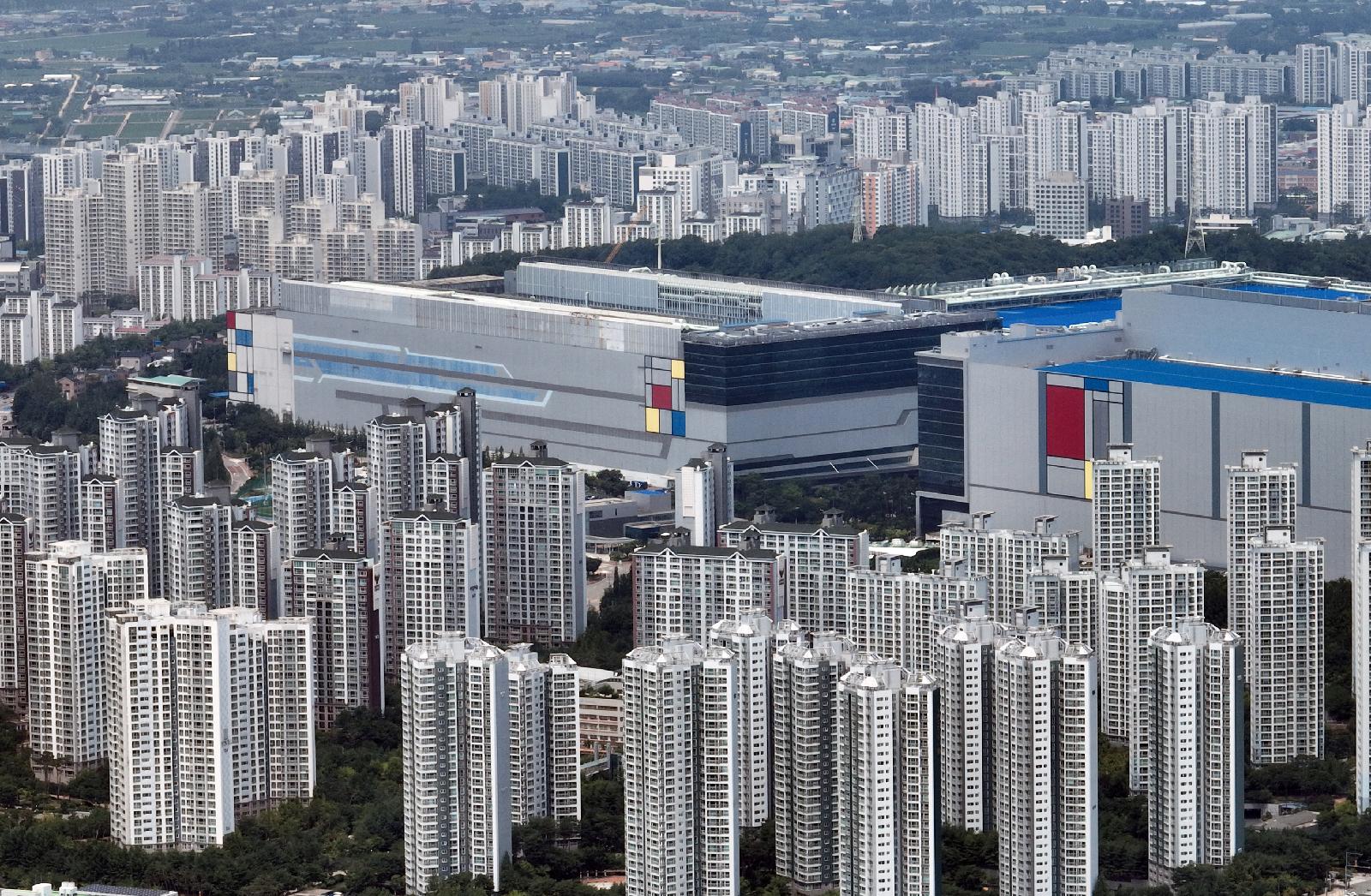
Korea’s property-related tax burden stands above the OECD average, yet much of the pressure falls at the point of transaction. The proposed direction is to raise recurrent housing taxes while lowering taxes on purchases and transfers. Tobacco tax increases and a single corporate tax rate also move the debate beyond real estate.
Eunma and Jamsil 5 approvals put 12,000 Gangnam rebuild homes on track
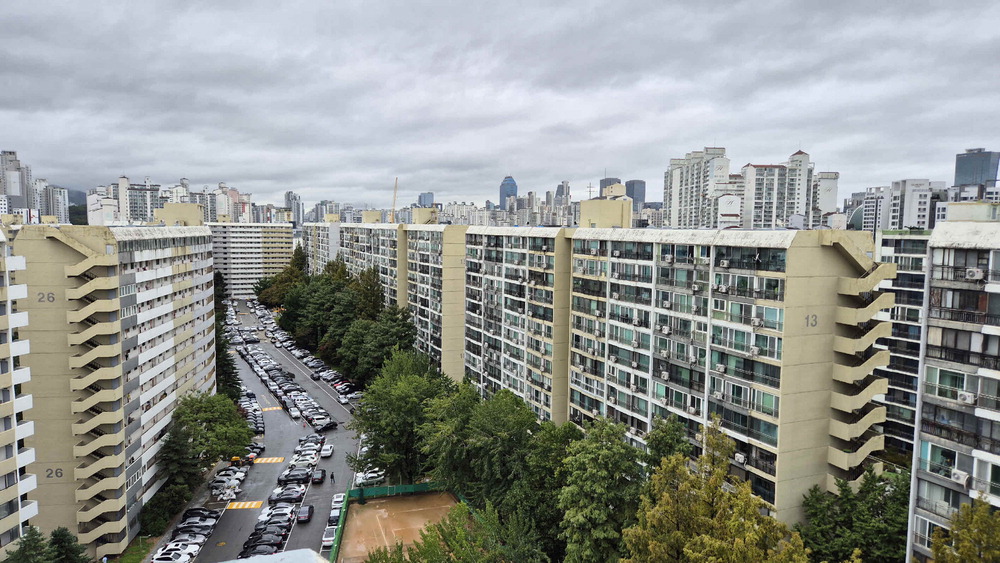
Eunma Apartments and Jamsil Jugong Complex 5 have secured project implementation approvals, moving Seoul’s key Gangnam reconstruction projects into execution. About 12,000 homes are now tied to a faster redevelopment pipeline after 23 years of delay. The city expects supply gains, but costs, relocation timing and member contributions remain decisive.
July Apartment Supply in Korea Reaches 29,671 Units, 70% in Greater Seoul
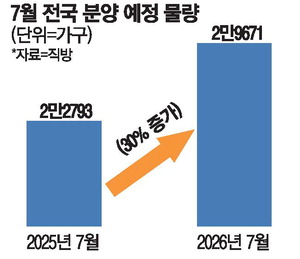
A total of 29,671 new apartments will enter Korea’s presale market in July, up about 30% from last year. Around 70% of the supply is concentrated in the Greater Seoul area, led by Gyeonggi Province and Incheon. Buyers must weigh location, price and financing conditions carefully.
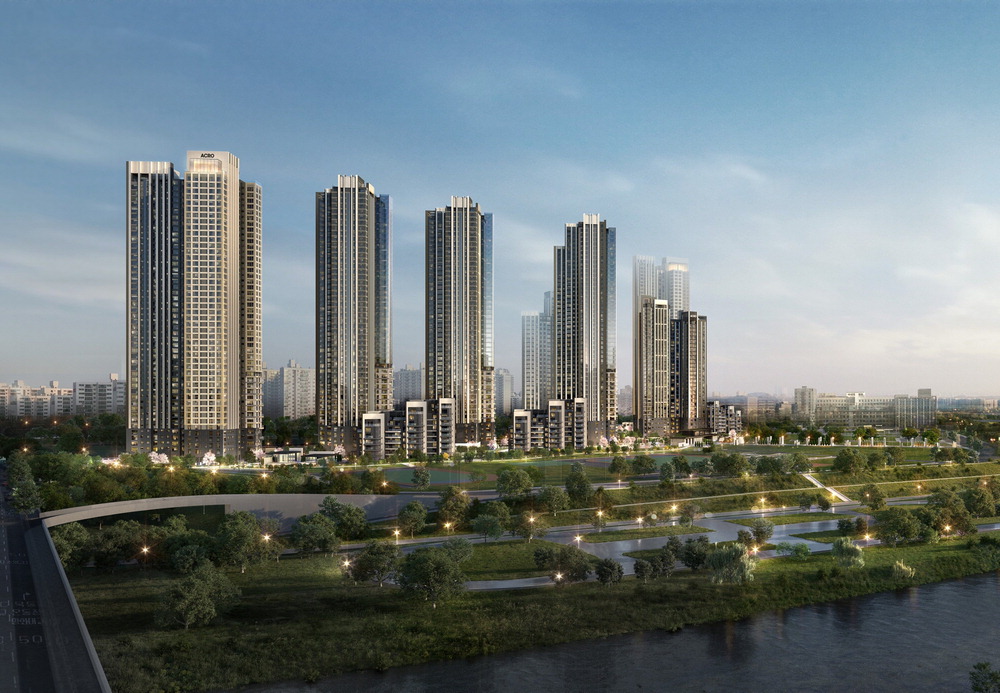
DL E&C Wins Mokdong 6 Reconstruction Contract Worth 1.3 Trillion Won
DL E&C has won the construction contract for Mokdong 6, the fastest-moving redevelopment complex in Mokdong. The project is valued at about 1.3 trillion won. The decision gives momentum to the broader renewal of aging apartment complexes in Seoul’s Yangcheon district.
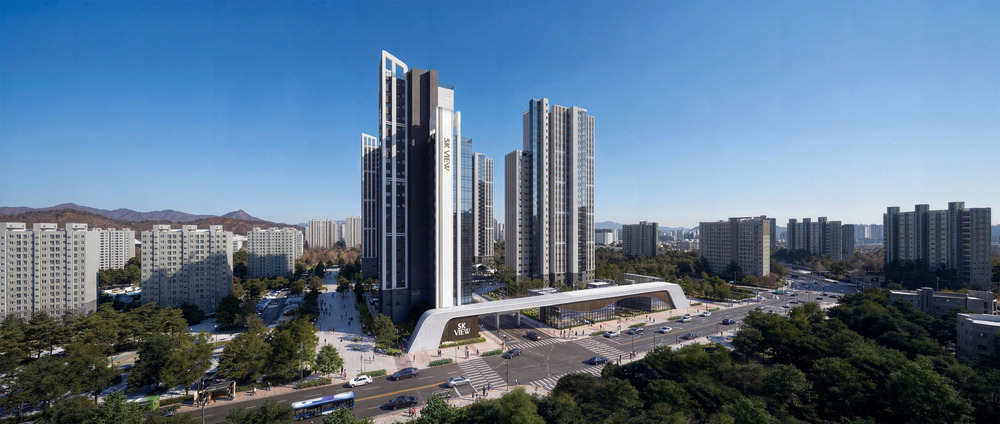
Yongin Suji Samsung 2nd Reconstruction: SK ecoplant Wins KRW 200 Billion Project
SK ecoplant has secured the construction rights for the Suji Samsung 2nd Apartment reconstruction project in Yongin, Gyeonggi Province. The site is located at 692-1 Pungdeokcheon-dong, Suji-gu, and the contract is valued at about KRW 200 billion. The deal reflects steady demand for aging apartment renewal in preferred southern Seoul metropolitan residential
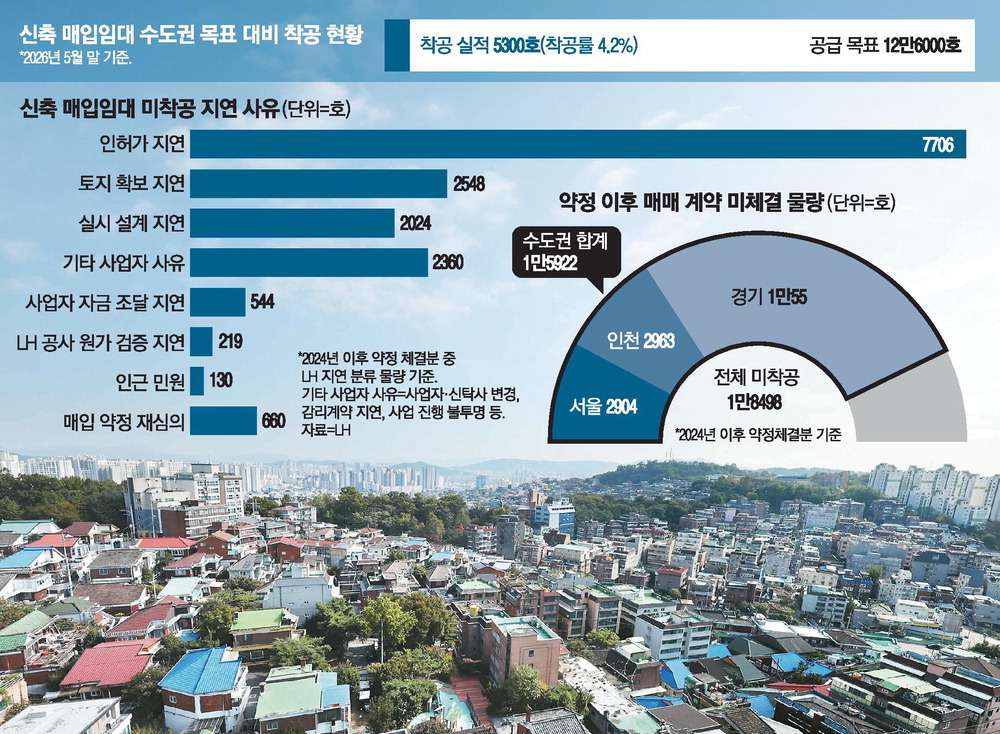
Seoul Metro Rental Housing Delays Hit 16,000 Units as Permits and Costs Stall Starts
About 16,000 newly built rental units in the Seoul metropolitan area are stuck before construction starts. The main bottlenecks are permits and land acquisition, while rising construction costs and financing burdens are adding pressure on the ground. The delay could weaken a key buffer in Korea’s rental market.
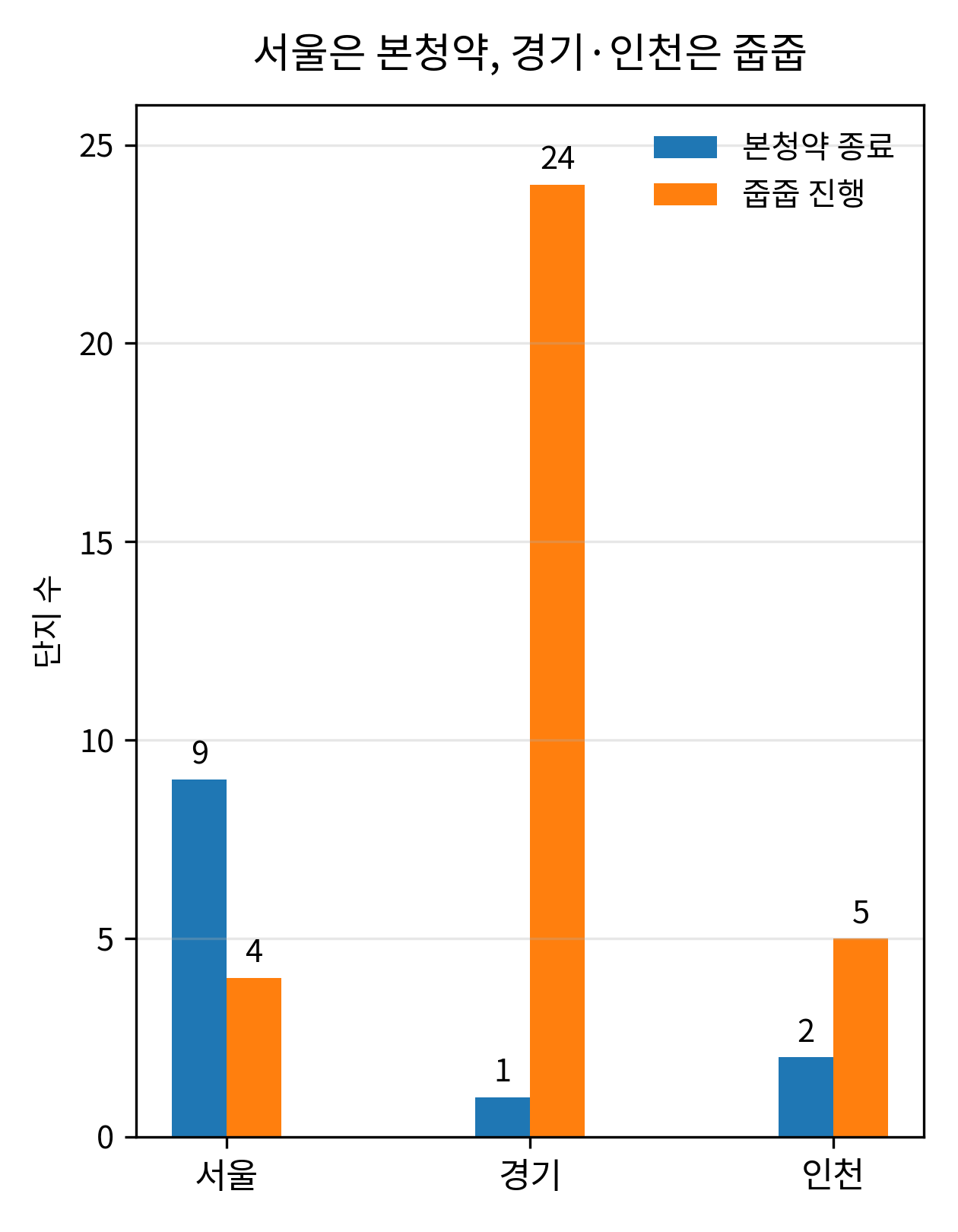
Only 21% of Seoul-area primary subscriptions sell out as no-priority supply misses targets
The gap between subscription competition and actual contracts is widening in the Seoul metropolitan area. Only 21% of projects sold out through primary subscriptions. Two out of three projects that moved to no-priority or discretionary supply failed to fill demand, changing how buyers should read the market.
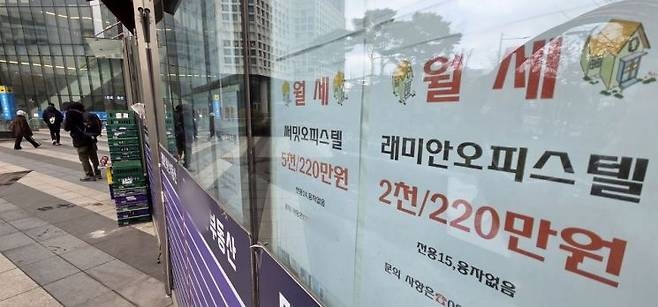
Officetel Prices Rise as Seoul’s Large and Mid-Large Units Gain on Apartment Substitution Demand
Officetel sale prices increased 0.07% in the capital region and 0.39% in Seoul. Demand is shifting toward larger residential-style officetels as apartment purchases become harder. Seoul’s large units rose 2.15% and mid-large units 1.06%, while small and ultra-small units fell. The average Seoul officetel sale price stood at 308.72 million won.