Private Rental Maintenance Fee Reporting to Curb Hidden Rent Hikes in Korea
Private rental housing filings will include maintenance fees and usage charges, not only deposits and monthly rent. The measure targets rent increases disguised as management costs. Tenants’ audit request rights will be strengthened, while provincial and metropolitan oversight powers will expand. Minor penalties for low-risk violations will be eased.
Private rental housing contracts will soon have to disclose maintenance fees and usage charges at the filing stage. The change targets a common practice in which rent appears modest while excessive management fees push up the tenant’s real monthly housing cost.
Closing the Fee Loophole
Landlords in the private rental market will be required to state deposits, monthly rent, maintenance fees and usage charges in contract filings. This gives tenants a clearer view of total housing costs before and after signing. A unit advertised at 600,000 won in monthly rent but carrying 200,000 won in fees actually costs 800,000 won per month, and that gap has often been hard to compare across listings.
The new reporting structure will help distinguish fixed maintenance fees from usage-based charges and separate shared building costs from individual utility costs. It also gives administrators data to detect abnormal fee increases used to bypass rent controls.
Stronger Tenant Rights
Tenants’ right to request accounting audits will be strengthened when fee calculations appear unclear or inconsistent with actual spending. Local governments at the city and provincial level will gain broader management authority, improving oversight in areas with many studios, officetels and small rental homes.
Some minor administrative fines will be eased to reduce unnecessary burdens for low-risk errors. The main direction is clear: Korea’s private rental market will increasingly be judged by total housing cost, not headline rent alone.
Key points
- Private rental housing filings will include maintenance fees and usage charges, not only deposits and monthly rent. The measure targets rent increases disguised as management costs. Tenants’ audit request rights will be strengthened, while provincial and metropolitan oversight powers will expand. Minor penalties for low-risk violations will be eased.
- Use the body and FAQ context before acting on this update.
- Compare with related issues inside the category hub.
FAQ
What changes in private rental contract filings?
Maintenance fees and usage charges must be reported along with deposits and monthly rent.
Why is Korea requiring maintenance fee reporting?
The rule is designed to prevent landlords from disguising rent increases as management fees.
How does this help tenants?
Tenants can compare total housing costs more clearly and request accounting review when fees are unclear.
Latest stories

Lease option-fee reporting targets hidden rent hikes in Korea
Private rental contracts in Korea will include management charges, usage fees and furniture or appliance option fees in lease reporting. The change makes real monthly housing costs visible beyond deposit and rent. Landlords will need clearer fee details, while tenants can compare homes by total cost. The impact is expected to be strongest in studios and offi
Kim Se-shin Tapped as Seoul Housing and Real Estate Policy Chief for Ninth Elected City Administration
Kim Se-shin has been tapped as Seoul’s next senior housing and real estate policy official. The role will steer housing supply, redevelopment coordination, and market response. Key challenges include supply shortages, uneven price recovery, jeonse stability, and coordination with national regulations.
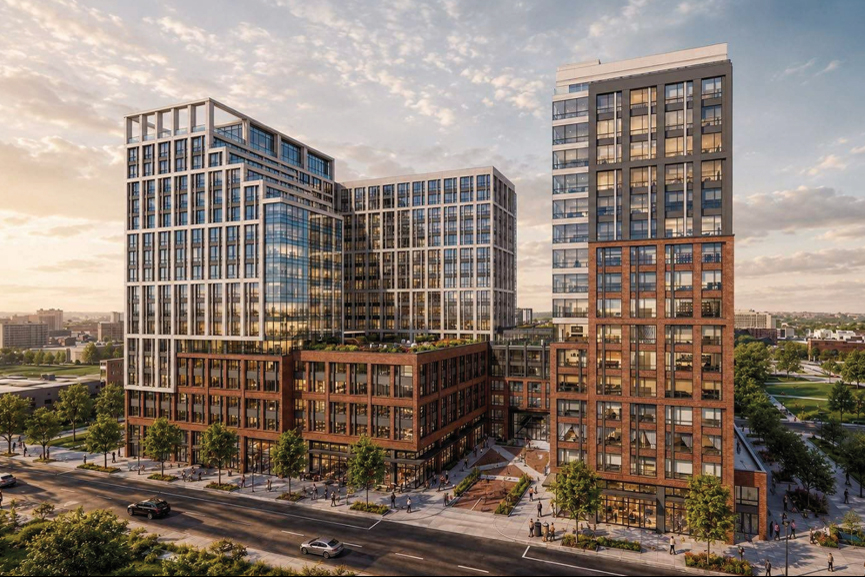
Daewoo E&C Enters U.S. Real Estate With New Jersey Housing Project
Daewoo E&C has begun its U.S. real estate push with a residential development project in Palisades Park, Bergen County, New Jersey. The area combines Korean community demand with access to New York. For Korea’s construction sector, the move shows a shift from contract-based overseas work toward investment-led development.
Dongtan Spillover Lifts Byeongjeom and Namyangju Home Prices After Oct. 15 Measures
A clear spillover is spreading across the Seoul metropolitan housing market. Since the Oct. 15 measures, purchase funds flowing into unregulated areas have risen 1.6 times. Namyangju near Guri and Byeongjeom next to Dongtan are seeing rapid asking-price increases. Buyers must compare lifestyle access with short-term price risk.
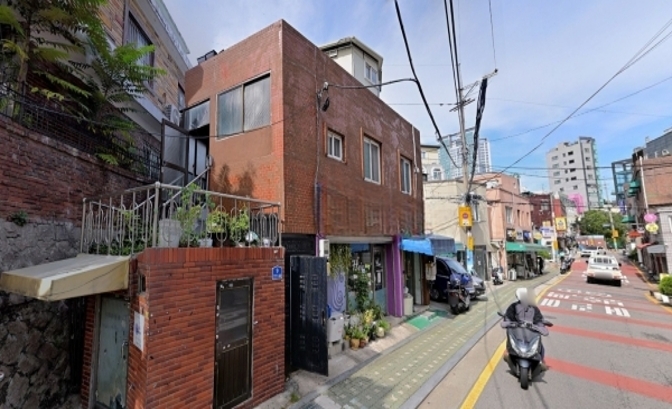
Yongin Everland Station Retail Building Listed at KRW 540 Million With 6.7% Yield
A commercial unit near Everland Station in Yongin has been listed for KRW 540 million. The property sits by the main entrance of a new apartment complex, facing a major road and crosswalk. Its three-sided open layout supports visibility and tenant appeal. It suits convenience stores, coffee shops, bakery cafes, and chicken cafes.

Seoul Luxury Apartment Market Led by Apgujeong Shin Hyundai 11 at 9.2 Billion Won
Shin Hyundai 11 in Apgujeong-dong, Gangnam-gu, Seoul recorded a 9.2 billion won transaction. The deal, signed on June 2 and newly registered on July 1, was the highest among Seoul apartment transactions in that batch. The sale reflects strong demand for scarce prime locations, redevelopment potential and Han River-side assets.
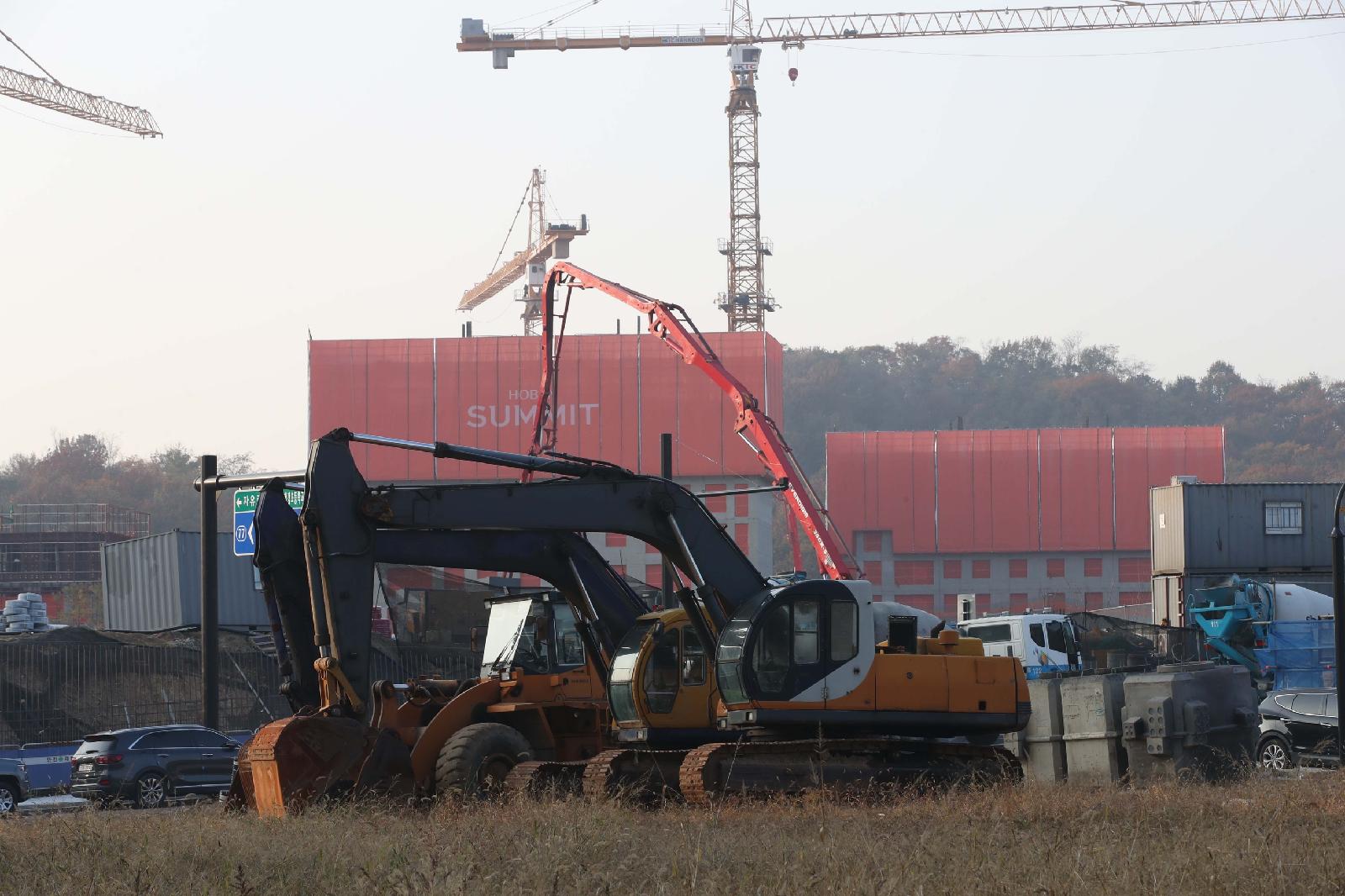
Construction costs hit biggest rise in four years as April index jumps, raising presale price pressure
The construction cost index jumped 1.75 points in April, marking the biggest monthly increase in four years. Sharp gains in asphalt concrete and asphalt prices are raising costs at residential and civil worksites. Even with oil prices calmer, cost pressure is expected to feed into presale prices and redevelopment project budgets.
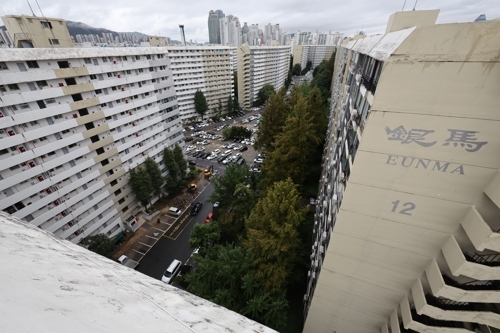
Eunma and Jamsil 5 Reconstruction Moves Ahead With 12,000 Homes
Eunma Apartment and Jamsil Jugong 5 have become central to Seoul’s reconstruction cycle. Eunma secured project approval 41 days after filing, while Jamsil 5 advanced as the first approval of the ninth elected city administration. Together, the projects cover about 12,000 homes and target construction starts in 2028.