Gangdong and Songpa Public Rental Disputes Deepen Over Lease Extensions and Conversion Sales
Lease extension and conversion-sale disputes are spreading across public rental housing in Seoul’s Gangdong and Songpa districts. Tenants argue that their deposits are no longer enough to resettle in the same area. The conflict is also tied to policy units reserved for newlyweds, making a quick settlement difficult.
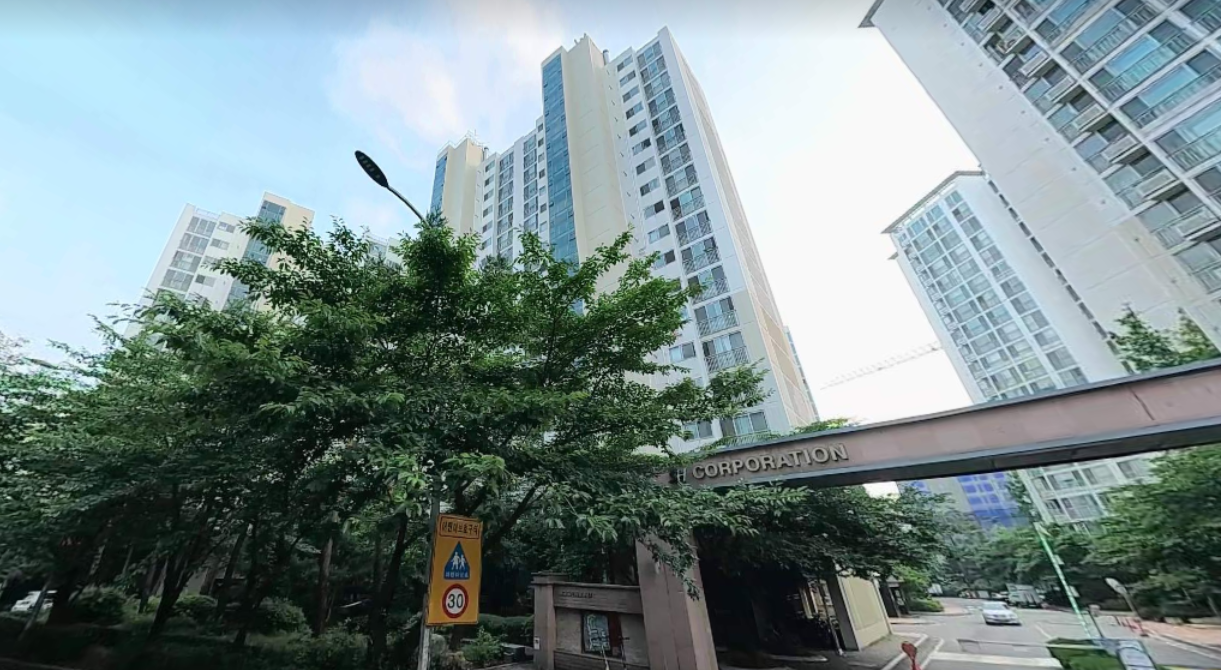
Public rental housing in Seoul’s Gangdong and Songpa districts has become a flashpoint over lease extensions and conversion sales. Tenants are organizing collective action, saying they cannot simply move out when their contracts expire. Their main demand is continued residence or a reasonable path to purchase. The dispute is now a broader housing stability issue in southeastern Seoul, where deposits, market rents and public housing allocation rules intersect.
Lease Extension and Sale Conversion
The central question is what happens after a public rental contract ends. Tenants cite long-established local ties, school routes, commuting patterns, medical access and care networks as reasons for extending contracts. In some complexes, dissatisfaction also centers on how conversion-sale prices are calculated. For residents, public rental housing has functioned as a housing ladder, but when the move-out date approaches, existing deposits are often insufficient to re-enter the same local rental or sales market.
The dispute can be read through two districts, two key demands and three cost variables. The districts are Gangdong and Songpa. The demands are lease extension and conversion sale. The cost variables are existing deposits, nearby jeonse or rental prices, and conversion-sale prices. Amounts differ by complex, but the common pressure point is the gap between public rental deposits and private-market housing costs.
Policy Supply Meets Resident Stability
The conflict is sharpened by the need to allocate units to new policy beneficiaries, including newlywed households. Public rental supply for newlyweds remains an important pillar of Korea’s housing welfare system. Yet when existing residents reject displacement, new supply plans collide with the goal of preserving current housing stability.
The market impact could reach beyond the complexes. If many residents move into the private rental market at once, demand for smaller apartments and villas nearby may rise. Households unable to raise new deposits could be pushed outside their established living areas, adding commuting, schooling and care costs.
What Comes Next
The next phase will turn on lease-extension rules, the acceptability of conversion-sale prices and how new allocations are adjusted. Public rental housing is designed for stability, so resettlement options for current residents matter. At the same time, supply for newlyweds and other policy groups cannot simply stop. The Gangdong and Songpa cases show that Seoul’s public rental policy must address not only supply volume but also exit paths and affordability after tenancy ends.
Key points
- Lease extension and conversion-sale disputes are spreading across public rental housing in Seoul’s Gangdong and Songpa districts. Tenants argue that their deposits are no longer enough to resettle in the same area. The conflict is also tied to policy units reserved for newlyweds, making a quick settlement difficult.
- Use the body and FAQ context before acting on this update.
- Compare with related issues inside the category hub.
FAQ
What is the core issue in the Gangdong and Songpa disputes?
The main issue is whether tenants can extend leases or obtain a fair conversion-sale process after public rental contracts expire.
Why are tenants resisting move-out demands?
They argue that their current deposits are not enough to secure comparable housing in the same Gangdong or Songpa living area.
Why does newlywed housing policy matter here?
Some public rental units are intended for new policy beneficiaries such as newlyweds, while existing tenants are demanding continued housing stability.
Latest stories

Lease option-fee reporting targets hidden rent hikes in Korea
Private rental contracts in Korea will include management charges, usage fees and furniture or appliance option fees in lease reporting. The change makes real monthly housing costs visible beyond deposit and rent. Landlords will need clearer fee details, while tenants can compare homes by total cost. The impact is expected to be strongest in studios and offi
Kim Se-shin Tapped as Seoul Housing and Real Estate Policy Chief for Ninth Elected City Administration
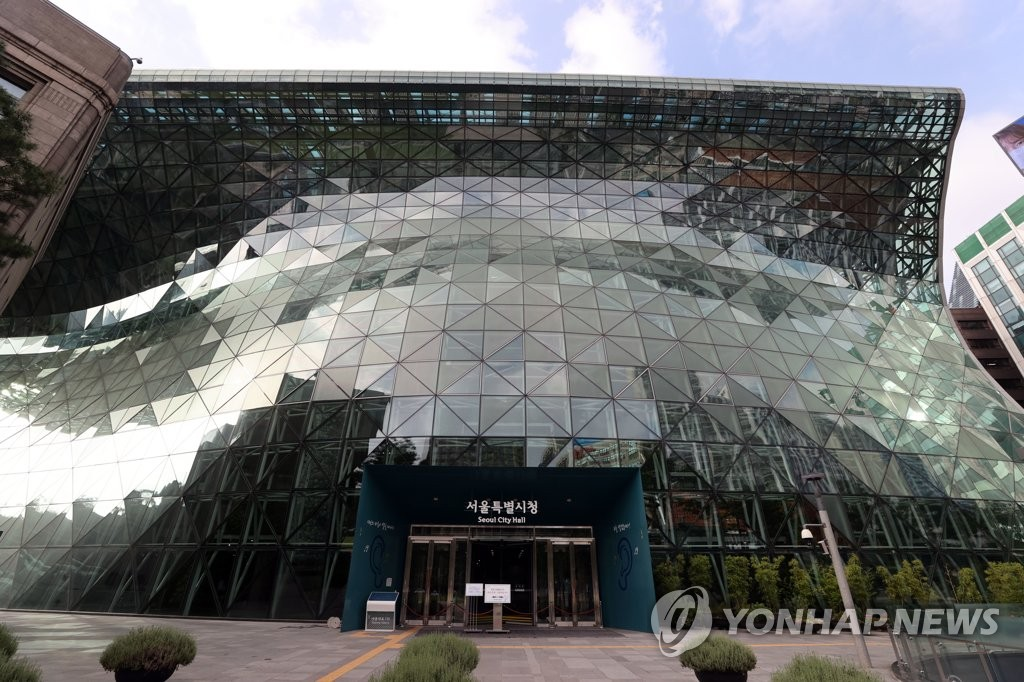
Kim Se-shin has been tapped as Seoul’s next senior housing and real estate policy official. The role will steer housing supply, redevelopment coordination, and market response. Key challenges include supply shortages, uneven price recovery, jeonse stability, and coordination with national regulations.
Daewoo E&C Enters U.S. Real Estate With New Jersey Housing Project
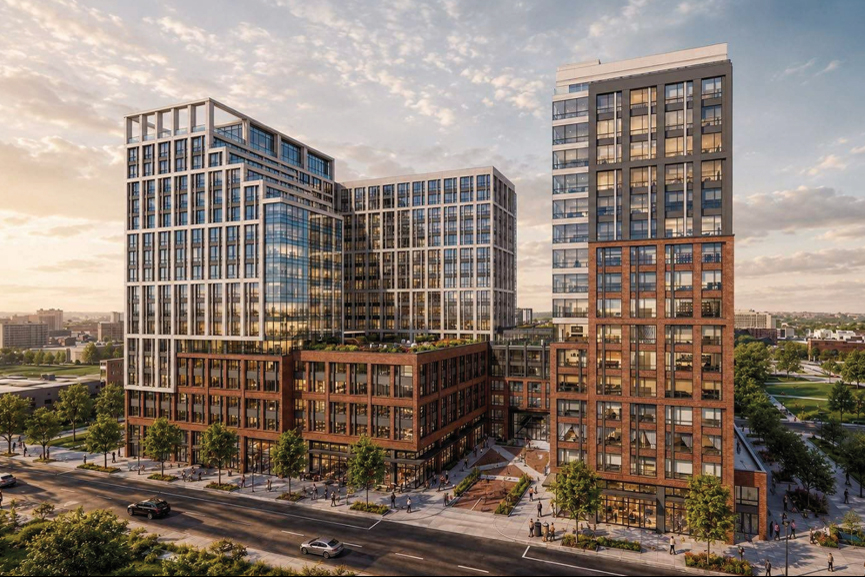
Daewoo E&C has begun its U.S. real estate push with a residential development project in Palisades Park, Bergen County, New Jersey. The area combines Korean community demand with access to New York. For Korea’s construction sector, the move shows a shift from contract-based overseas work toward investment-led development.
Dongtan Spillover Lifts Byeongjeom and Namyangju Home Prices After Oct. 15 Measures
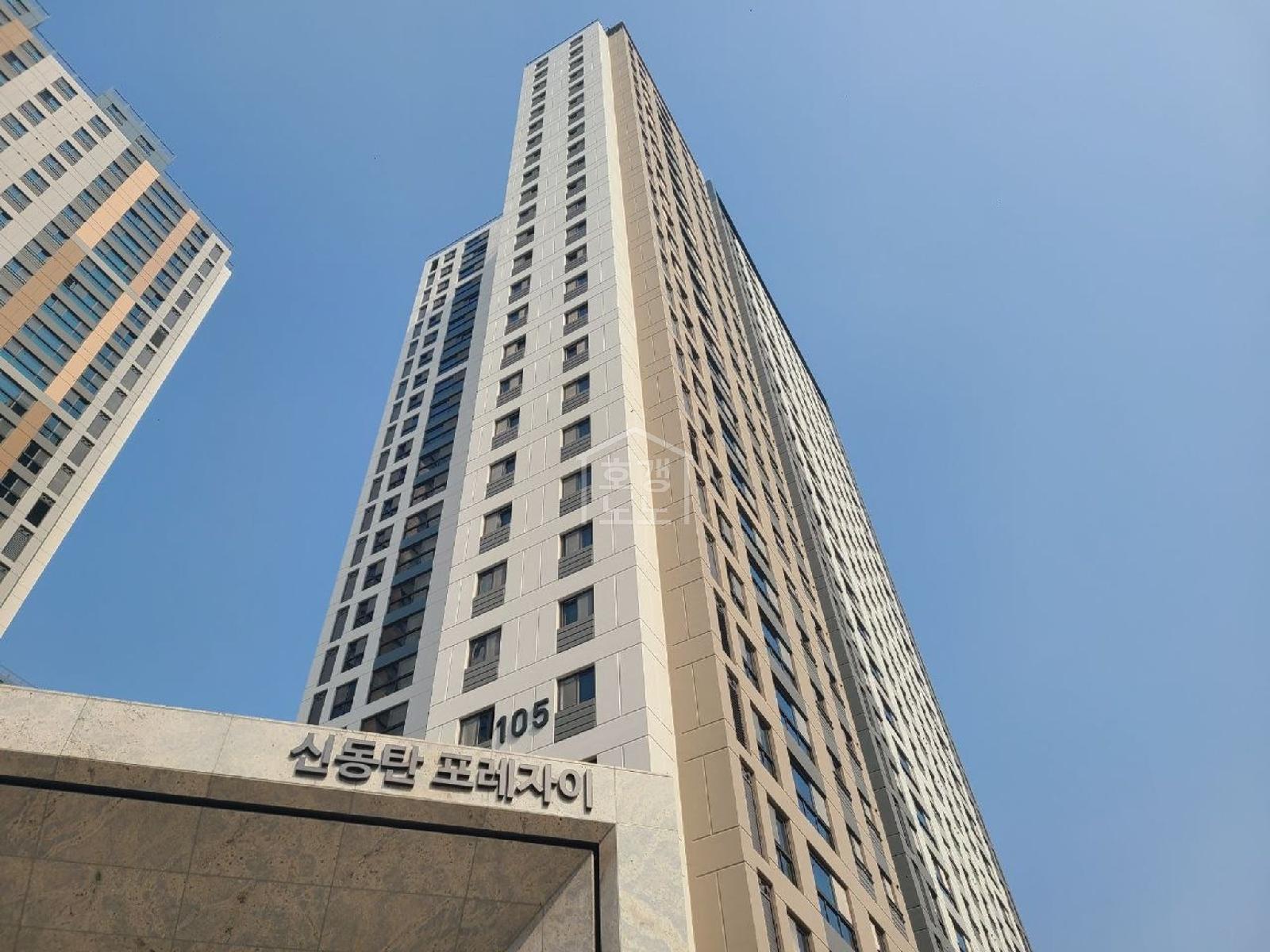
A clear spillover is spreading across the Seoul metropolitan housing market. Since the Oct. 15 measures, purchase funds flowing into unregulated areas have risen 1.6 times. Namyangju near Guri and Byeongjeom next to Dongtan are seeing rapid asking-price increases. Buyers must compare lifestyle access with short-term price risk.
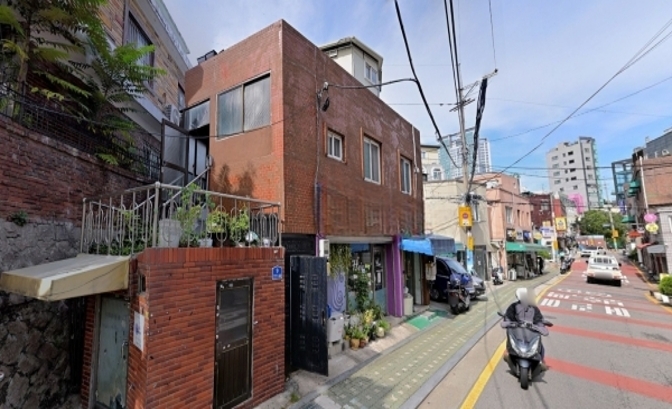
Yongin Everland Station Retail Building Listed at KRW 540 Million With 6.7% Yield
A commercial unit near Everland Station in Yongin has been listed for KRW 540 million. The property sits by the main entrance of a new apartment complex, facing a major road and crosswalk. Its three-sided open layout supports visibility and tenant appeal. It suits convenience stores, coffee shops, bakery cafes, and chicken cafes.

Seoul Luxury Apartment Market Led by Apgujeong Shin Hyundai 11 at 9.2 Billion Won
Shin Hyundai 11 in Apgujeong-dong, Gangnam-gu, Seoul recorded a 9.2 billion won transaction. The deal, signed on June 2 and newly registered on July 1, was the highest among Seoul apartment transactions in that batch. The sale reflects strong demand for scarce prime locations, redevelopment potential and Han River-side assets.
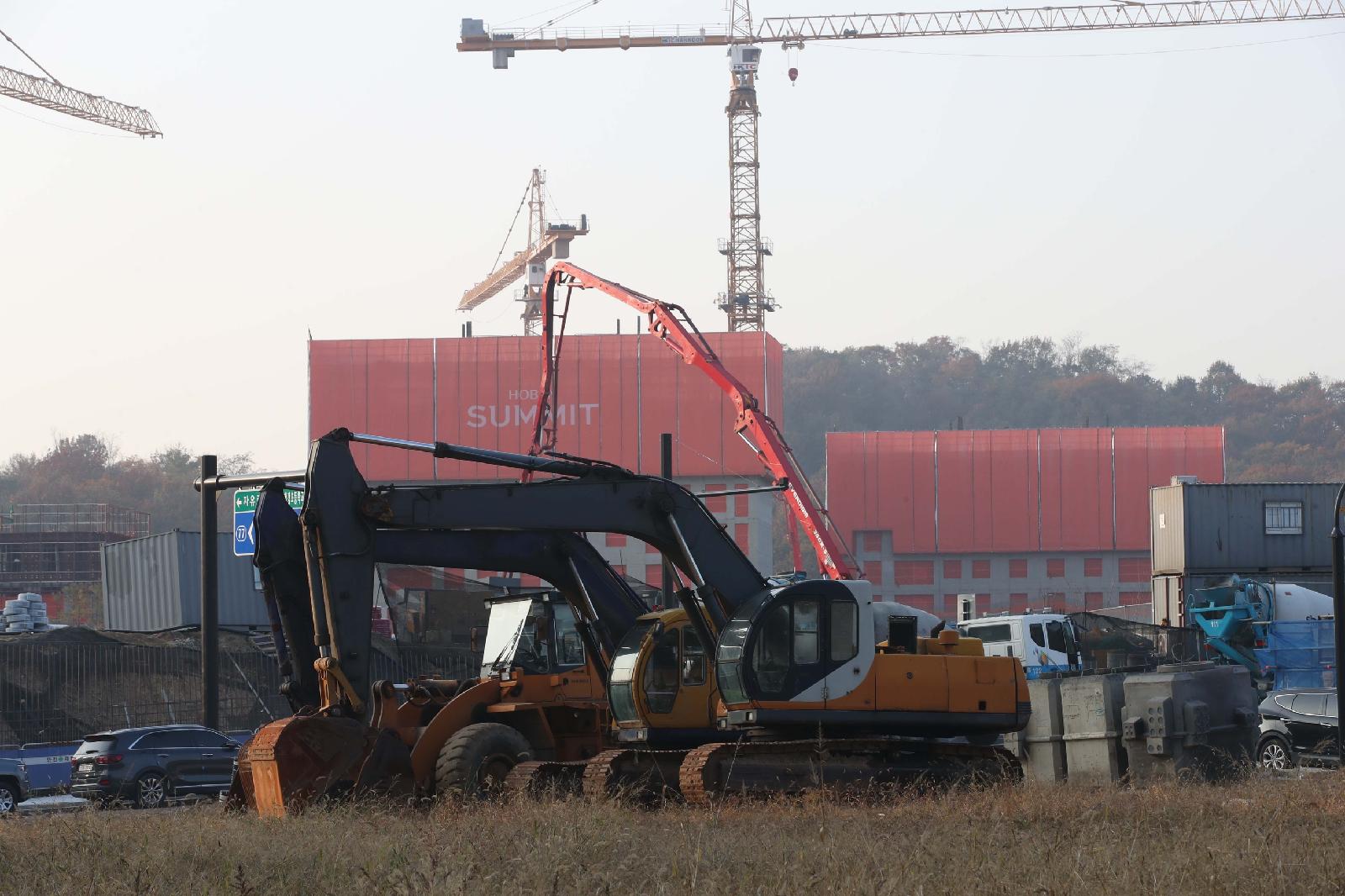
Construction costs hit biggest rise in four years as April index jumps, raising presale price pressure
The construction cost index jumped 1.75 points in April, marking the biggest monthly increase in four years. Sharp gains in asphalt concrete and asphalt prices are raising costs at residential and civil worksites. Even with oil prices calmer, cost pressure is expected to feed into presale prices and redevelopment project budgets.
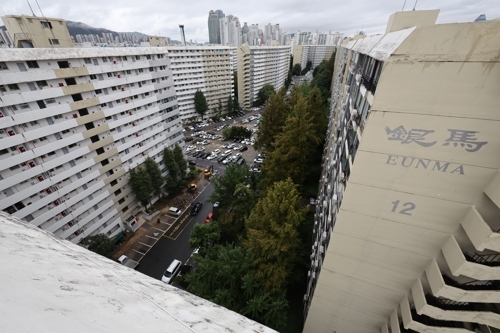
Eunma and Jamsil 5 Reconstruction Moves Ahead With 12,000 Homes
Eunma Apartment and Jamsil Jugong 5 have become central to Seoul’s reconstruction cycle. Eunma secured project approval 41 days after filing, while Jamsil 5 advanced as the first approval of the ninth elected city administration. Together, the projects cover about 12,000 homes and target construction starts in 2028.