DH Bangbae Ahn Yu-jin 1.8bn Won Gain Reignites Subscription Fairness Debate
The DH Bangbae subscription issue involving Ahn Yu-jin has reopened a fairness debate in Korea’s housing market. The expected gain of about KRW 1.8 billion has shifted attention to whether capped-price Seoul apartments truly serve non-homeowner end users. The core issue is not one winner, but the gap between winning a unit and having enough cash to complete

Ahn Yu-jin’s DH Bangbae apartment subscription win has pushed South Korea’s lottery-like housing debate back to the center of the market. The expected paper gain of about KRW 1.8 billion shifts the issue from one celebrity’s result to whether the system gives real access to non-homeowner end users.
Cash After the Win
DH Bangbae, a new apartment complex in Seocho-gu, Seoul, sits in one of the capital’s tightest supply markets. Price-cap rules can place new units below nearby market prices, creating immediate gains for winners. Yet deposits, interim payments, final balances, loan limits and residence conditions require large cash reserves.
Why It Matters
The criticism is that subscription points and lottery chances are not enough if only cash-rich households can complete the purchase. Pressure is building to review point and lottery ratios, funding checks, resale limits and residence rules so winning chances and actual contract ability do not diverge.
Key points
- The DH Bangbae subscription issue involving Ahn Yu-jin has reopened a fairness debate in Korea’s housing market. The expected gain of about KRW 1.8 billion has shifted attention to whether capped-price Seoul apartments truly serve non-homeowner end users. The core issue is not one winner, but the gap between winning a unit and having enough cash to complete
- Use the body and FAQ context before acting on this update.
- Compare with related issues inside the category hub.
FAQ
What is the core of the Ahn Yu-jin subscription debate?
The DH Bangbae win carries an expected gain of about KRW 1.8 billion, raising questions over whether the housing subscription system favors cash-rich buyers over real end users.
Why are cash-rich buyers seen as advantaged?
Even with capped prices, winners must cover deposits, interim payments, final balances and loan restrictions, which require substantial cash.
What reforms are being discussed?
The debate centers on point and lottery ratios, funding checks, resale limits, residence rules and loan regulations to narrow the gap between winning and completing a contract.
Latest stories
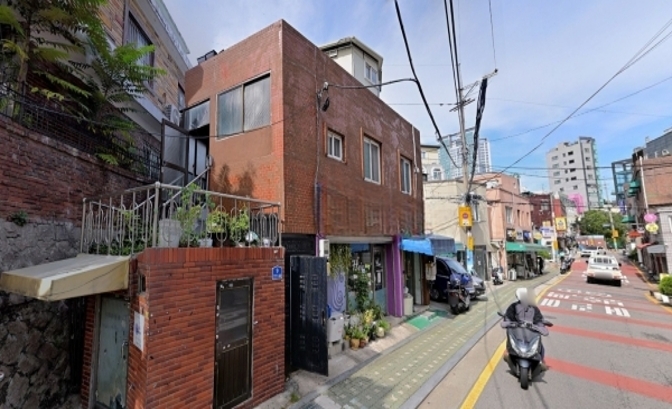
Yongin Everland Station Retail Building Listed at KRW 540 Million With 6.7% Yield
A commercial unit near Everland Station in Yongin has been listed for KRW 540 million. The property sits by the main entrance of a new apartment complex, facing a major road and crosswalk. Its three-sided open layout supports visibility and tenant appeal. It suits convenience stores, coffee shops, bakery cafes, and chicken cafes.

Seoul Luxury Apartment Market Led by Apgujeong Shin Hyundai 11 at 9.2 Billion Won
Shin Hyundai 11 in Apgujeong-dong, Gangnam-gu, Seoul recorded a 9.2 billion won transaction. The deal, signed on June 2 and newly registered on July 1, was the highest among Seoul apartment transactions in that batch. The sale reflects strong demand for scarce prime locations, redevelopment potential and Han River-side assets.
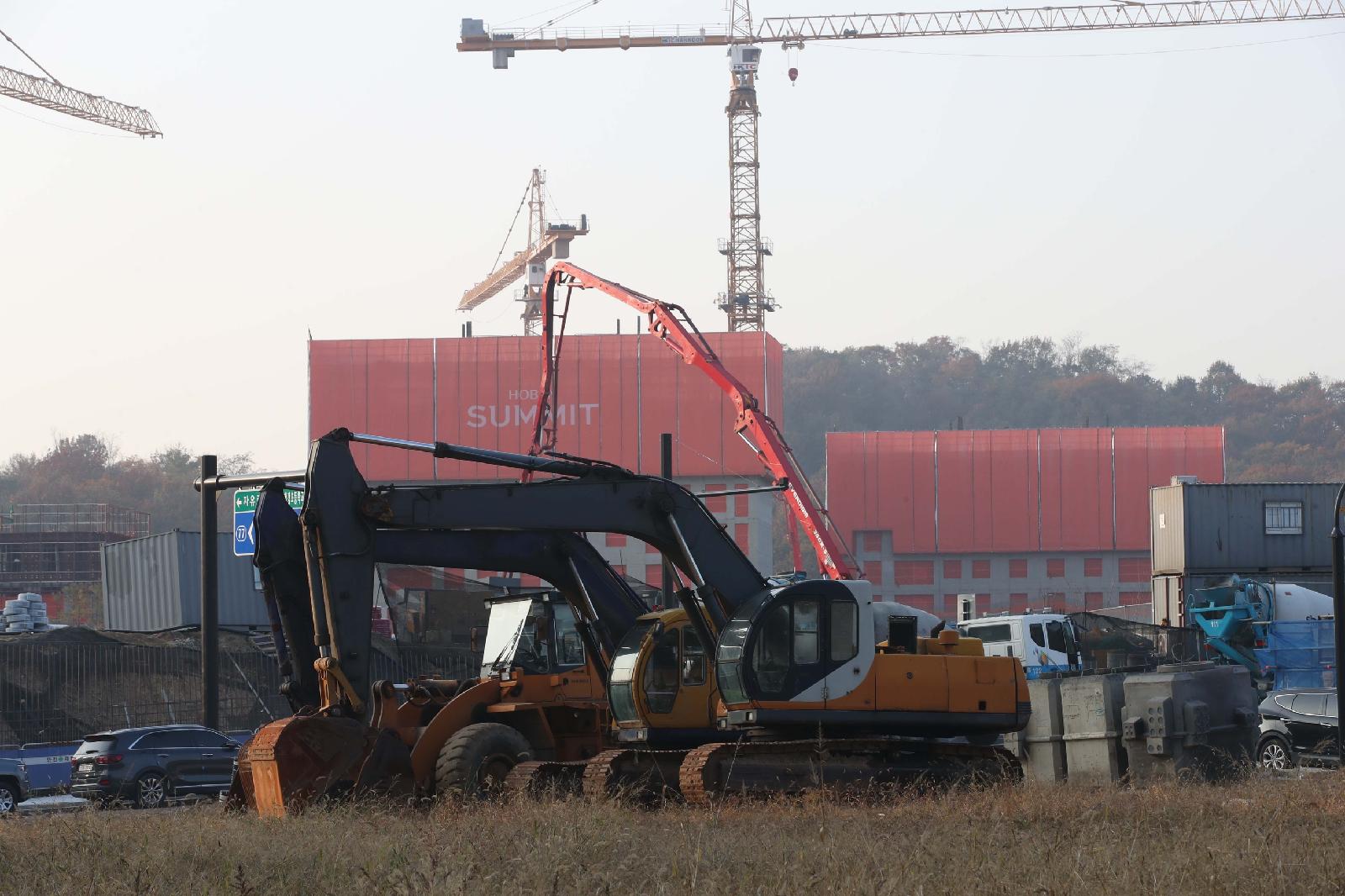
Construction costs hit biggest rise in four years as April index jumps, raising presale price pressure
The construction cost index jumped 1.75 points in April, marking the biggest monthly increase in four years. Sharp gains in asphalt concrete and asphalt prices are raising costs at residential and civil worksites. Even with oil prices calmer, cost pressure is expected to feed into presale prices and redevelopment project budgets.
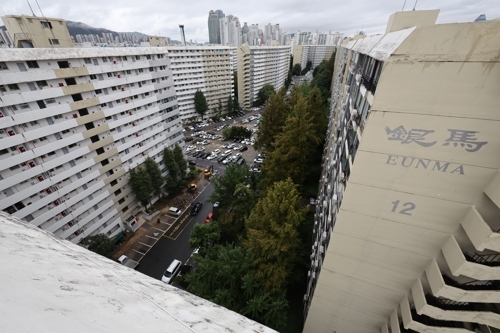
Eunma and Jamsil 5 Reconstruction Moves Ahead With 12,000 Homes
Eunma Apartment and Jamsil Jugong 5 have become central to Seoul’s reconstruction cycle. Eunma secured project approval 41 days after filing, while Jamsil 5 advanced as the first approval of the ninth elected city administration. Together, the projects cover about 12,000 homes and target construction starts in 2028.
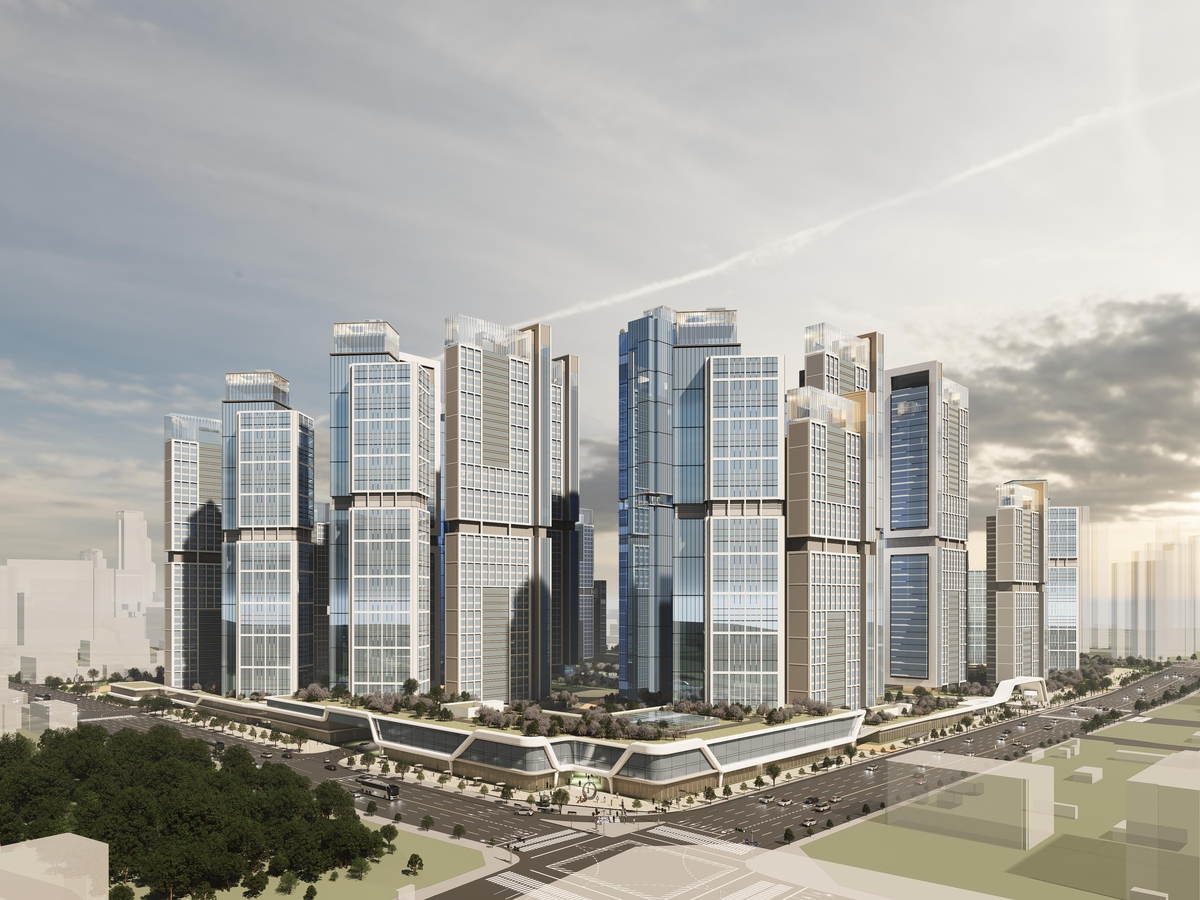
Eunma Apartment Reconstruction Plan Approved in Seoul’s Gangnam District
Gangnam District approved the project implementation plan for Eunma Apartment reconstruction on July 2. It is the first reconstruction implementation approval under the district’s ninth elected administration. The move advances one of Gangnam’s most closely watched aging housing complexes.

Goyang Changneung S3 and S4 Subscriptions Near, 59㎡ Homes in the 490 Million Won Range
Goyang Changneung S3 and S4 are emerging as major third-phase new town subscription sites. S3 is a profit-sharing sale housing project, with 59㎡ units priced in the 490 million won range. Buyers need to assess location, rules, financing, and resale conditions together.
OECD-Style Property Tax Shift Puts Korea’s Housing Tax System Under Review
Korea’s property-related tax burden stands above the OECD average, yet much of the pressure falls at the point of transaction. The proposed direction is to raise recurrent housing taxes while lowering taxes on purchases and transfers. Tobacco tax increases and a single corporate tax rate also move the debate beyond real estate.
Eunma and Jamsil 5 approvals put 12,000 Gangnam rebuild homes on track
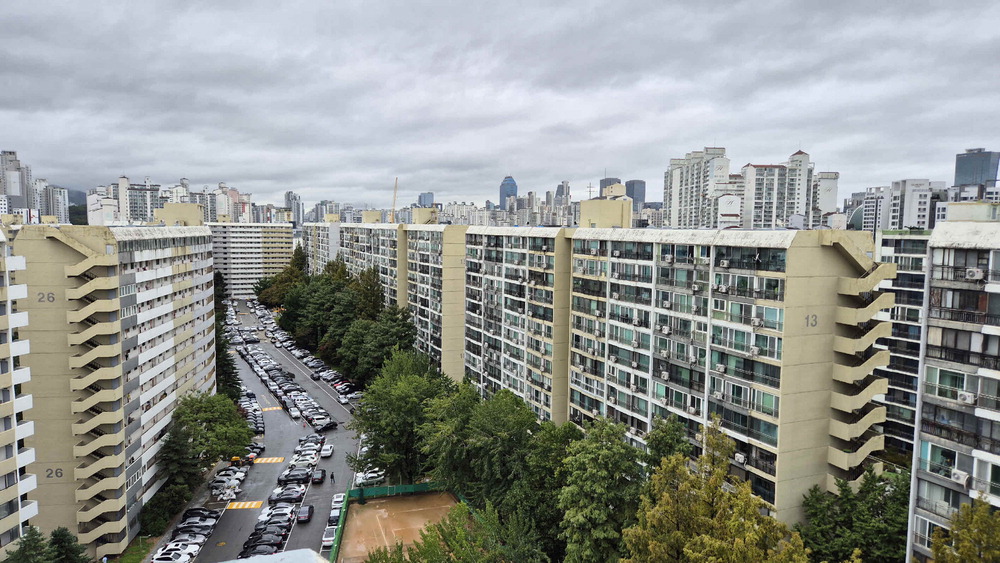
Eunma Apartments and Jamsil Jugong Complex 5 have secured project implementation approvals, moving Seoul’s key Gangnam reconstruction projects into execution. About 12,000 homes are now tied to a faster redevelopment pipeline after 23 years of delay. The city expects supply gains, but costs, relocation timing and member contributions remain decisive.