Only 21% of Seoul-area primary subscriptions sell out as no-priority supply misses targets
The gap between subscription competition and actual contracts is widening in the Seoul metropolitan area. Only 21% of projects sold out through primary subscriptions. Two out of three projects that moved to no-priority or discretionary supply failed to fill demand, changing how buyers should read the market.
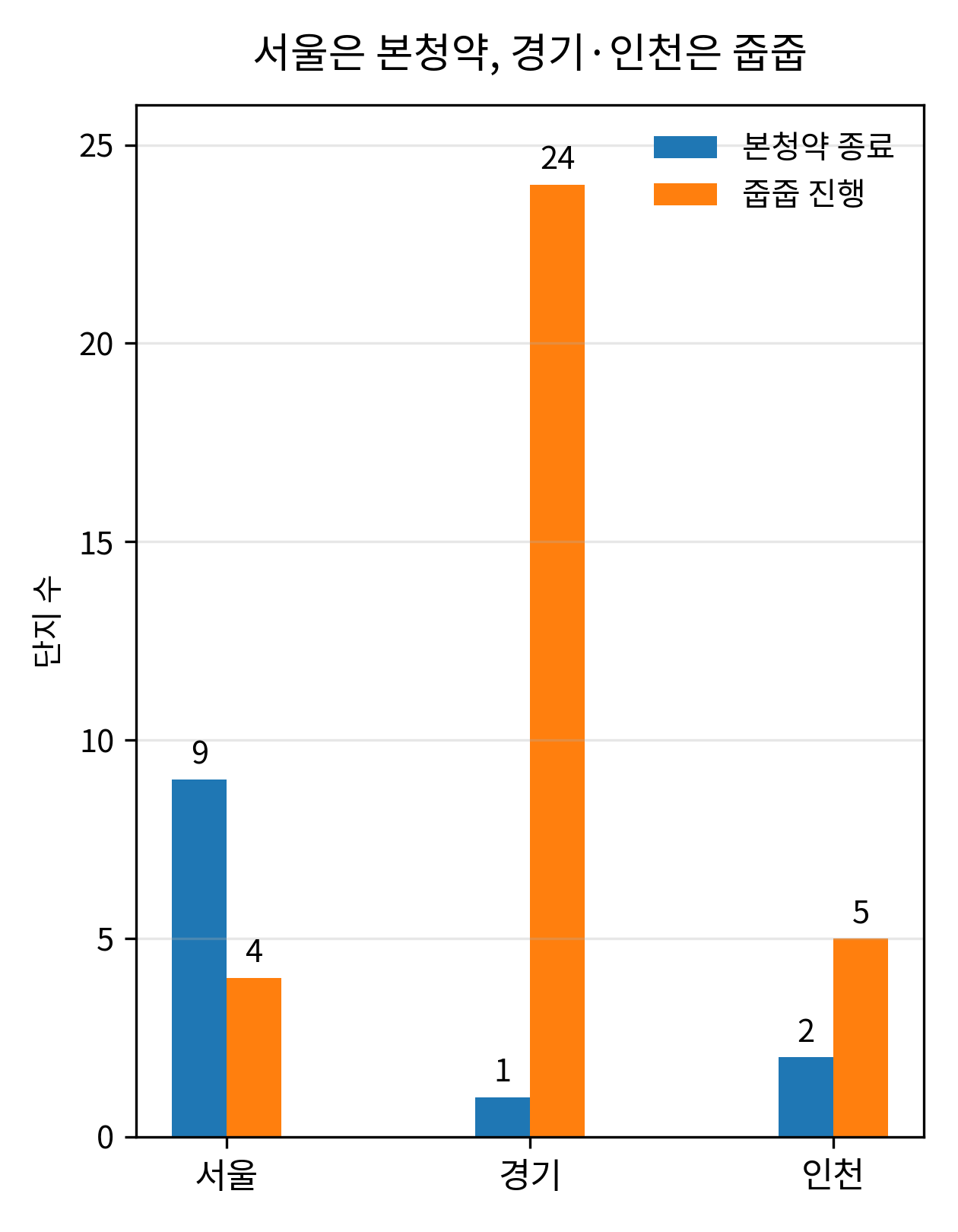
The Seoul metropolitan subscription market is no longer a market where a high competition rate guarantees a successful sale. Only 21% of projects sold out without residual units after the primary subscription stage. Among projects that moved to no-priority or discretionary supply, two out of three failed to fill their available units.
Primary subscription numbers are losing clarity
Seoul recorded a primary subscription completion rate of 69%, while Gyeonggi reached 73%. Those figures may look stable, but completion does not mean every unit was contracted. Winners can still walk away because of deposits, interim payments, loan limits, or doubts over the location and price. Once that happens, unsold units return to the market as so-called “last-chance” supply.
Even 51.3-to-1 can become residual supply
Some residual offerings had previously shown competition as high as 51.3 to 1. That figure highlights the optical illusion in headline subscription data. No-priority applications can attract broad interest because entry barriers are lower, but real demand is tested only when buyers must commit cash. For Korean buyers, the key questions are now practical: whether the won-denominated price is below nearby transactions, whether financing is realistic, and whether resale or residency rules affect the decision.
Going forward, contract rates, leftover units, and price competitiveness will matter more than application ratios. A 1 billion won apartment can require 100 million won just for a 10% deposit. In a market shaped by rates, household loan rules, and sharper location preferences, buyers need to check actual unsold inventory before treating any subscription result as a success.
Key points
- The gap between subscription competition and actual contracts is widening in the Seoul metropolitan area. Only 21% of projects sold out through primary subscriptions. Two out of three projects that moved to no-priority or discretionary supply failed to fill demand, changing how buyers should read the market.
- Use the body and FAQ context before acting on this update.
- Compare with related issues inside the category hub.
FAQ
What share of Seoul-area projects sold out at primary subscription?
Only 21% sold out without residual units after the primary subscription stage.
Why do no-priority offerings still miss targets?
Interest can be high, but contracts depend on deposits, loans, final payment capacity, location, and price.
Why is the competition rate not enough?
It measures applications, not completed contracts. Cancellations and leftover units must be checked together.
Latest stories
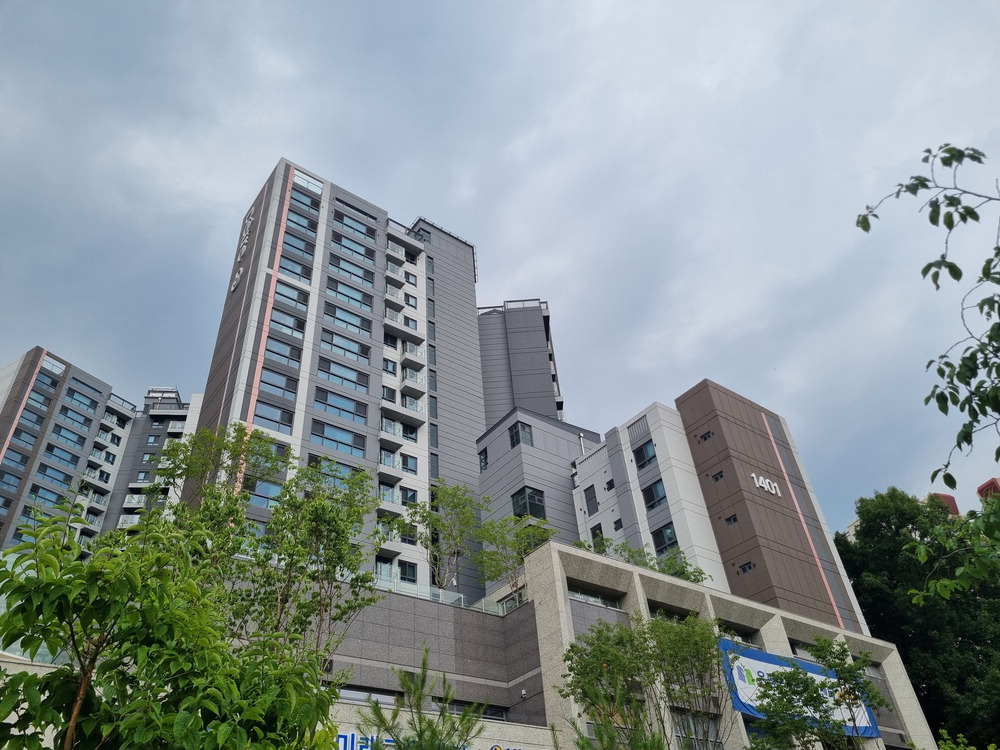
Public-Supported Private Rental Deposit Hike Sparks Backlash After Just One Year
A public-supported private rental apartment is facing controversy after a deposit increase emerged just one year after occupancy. Residents say the move conflicts with the promise of up to 10 years of stable residence. Daebang Construction’s handling of rental terms has become a key issue. The case is expected to renew scrutiny of tenant protection and trans

Seoul Station Apartments Gain Value as a Base for Nationwide Commuting
Apartments near Seoul Station are being revalued as homes that support commuting beyond the Seoul metro area. A pharmacist in his 40s travels daily from Seoul to Iksan while keeping his family’s life base in the capital. The case shows how rail access, transfer efficiency and predictable travel time now shape housing demand.

Prism Investment Advisory and Wolcheon Jaetech Sign Integrated Finance-Real Estate Consulting MOU
Prism Investment Advisory and Wolcheon Jaetech have agreed to strengthen integrated finance-real estate consulting. The partnership combines Prism’s long-term asset allocation approach with Wolcheon Jaetech’s real estate and wealth-content capabilities. Demand is rising for advice that reviews financial assets, housing, debt, taxes and cash flow together.
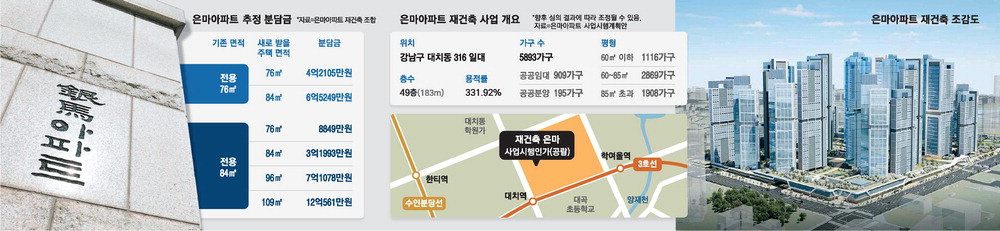
Eunma Apartment rebuild nears approval for 49-floor Daechi landmark
The Eunma Apartment reconstruction in Daechi-dong, Gangnam, is gaining speed as it nears project implementation approval. The plan for towers up to 49 floors could reshape the area’s skyline and new-home supply expectations. Education demand, reconstruction rules, costs and member contributions remain key variables.
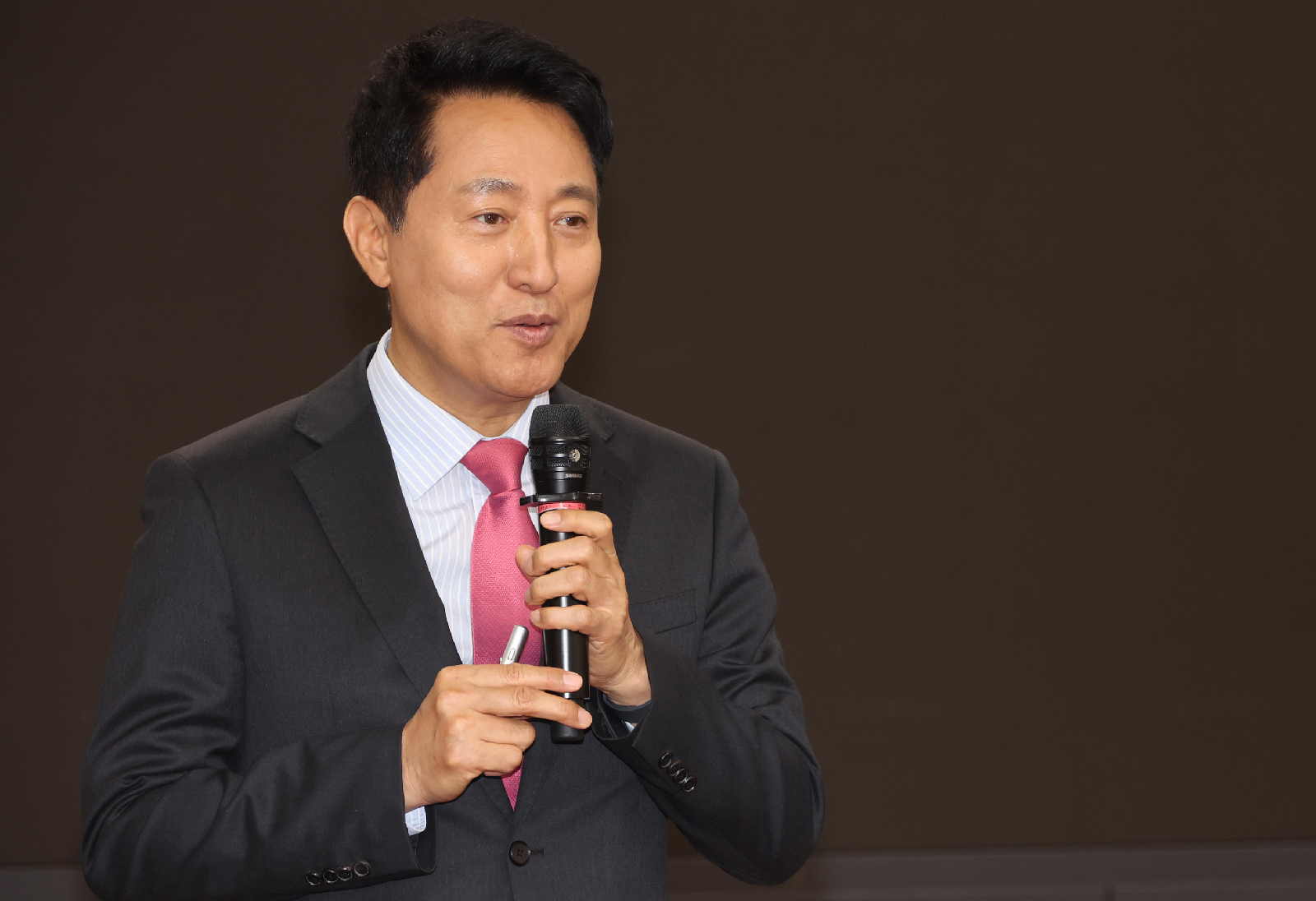
Seoul Prepares Rent, Lending and Tax Data for Presidential Talks as Lease Costs Surge
Seoul is preparing to put rising jeonse, monthly rent and lending limits on the presidential agenda before next month’s tax reform. The package covers lease contracts by district, lending effects, possible tax pass-through and supply schedules. The core issue is whether tax, finance and supply policy can be coordinated before tenant costs rise further.
Seoul Starts The Dream House+ With 905 Public Homes for Youth and Students
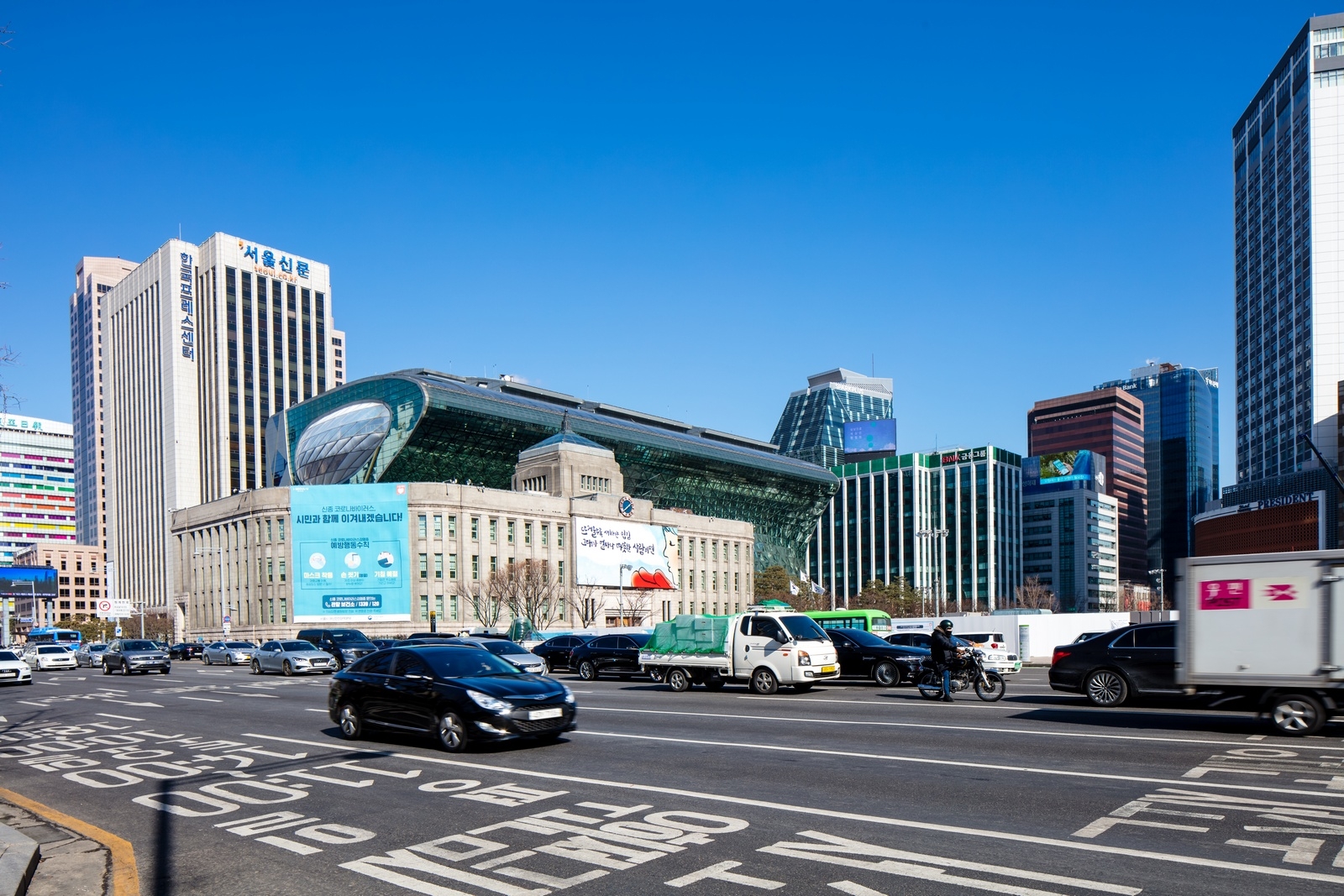
The Dream House+, Seoul’s integrated youth housing policy brand, is moving into its first supply phase. A total of 905 public rental homes will be offered to young people and university students. The program turns the youth housing agenda announced in March into actual tenant recruitment. It is expected to help reduce rent pressure in Seoul’s high-cost renta
Seoul Apartments Over 20 Years Old Rise 5.48% in H1, Outpacing Newer Units
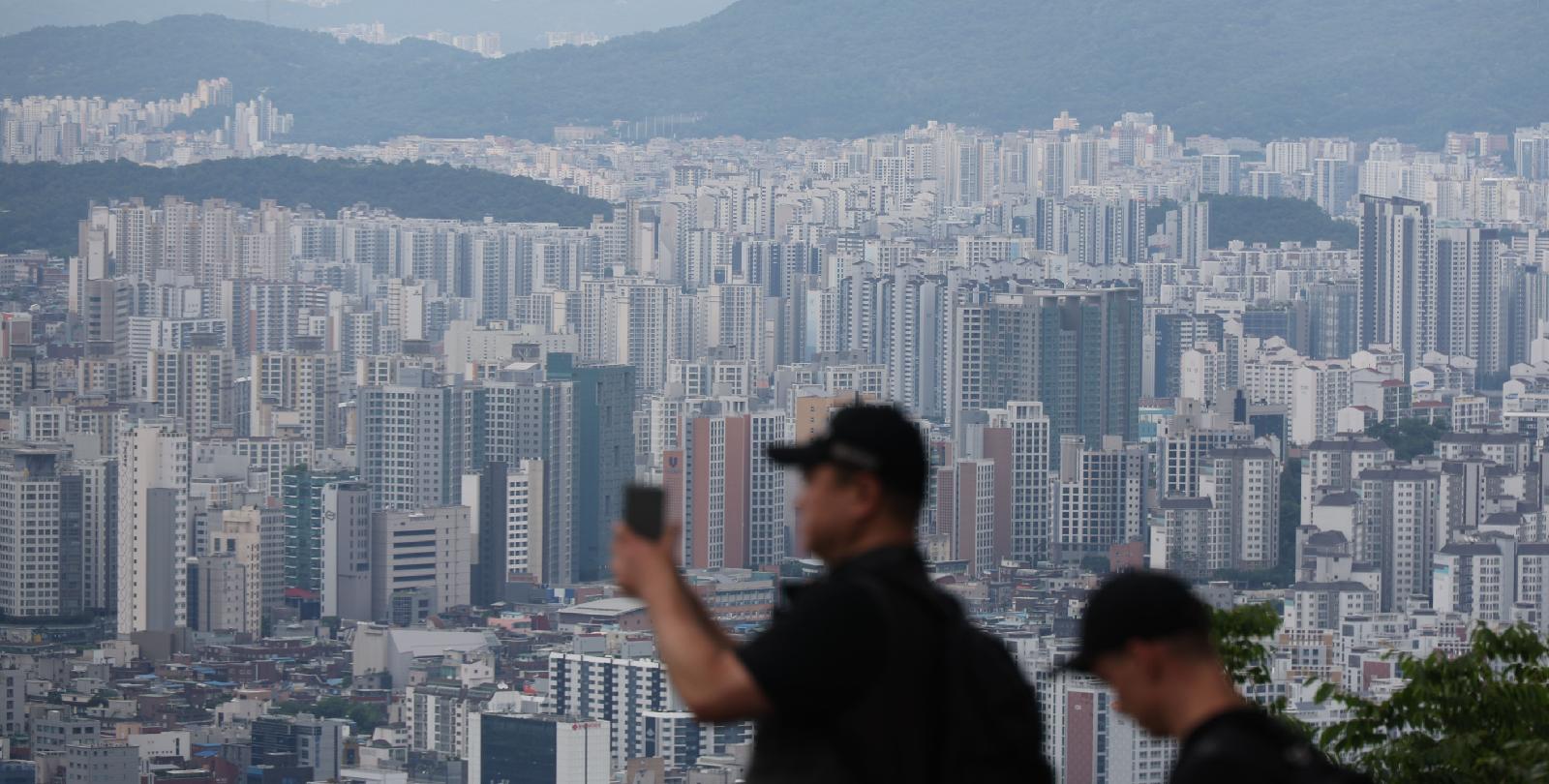
Seoul’s apartment market shifted in the first half from a new-build preference to older complexes with rebuilding potential. Apartments more than 20 years old rose 5.48%, the strongest gain by age group. High presale prices and tighter lending narrowed options for end users. Location and redevelopment feasibility will likely decide the next phase.
Dongbu’s Centreville Asterium Geoje Set for July Sale Near Shipyard Jobs
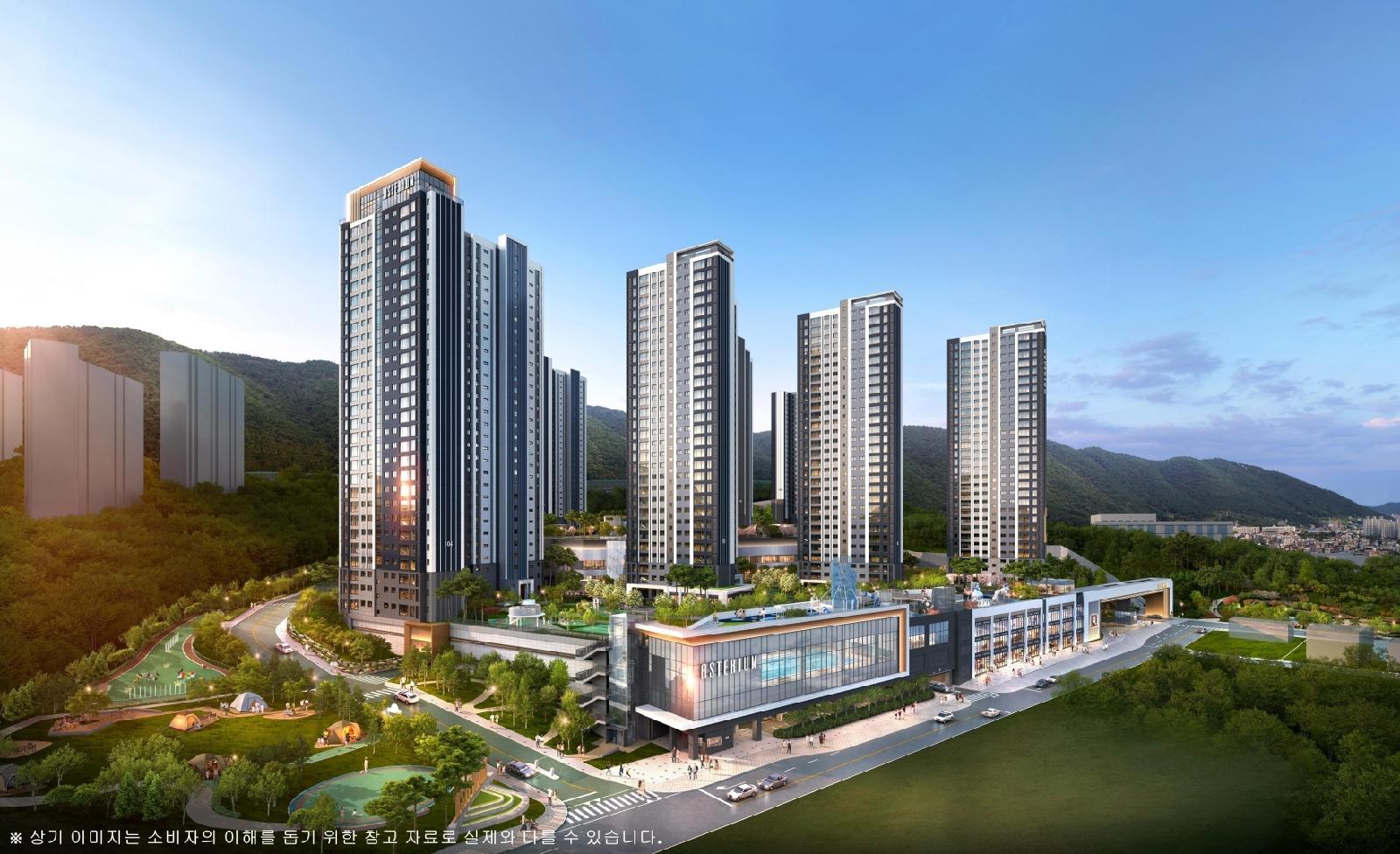
Dongbu Construction is preparing a July launch for Centreville Asterium Geoje in Sangdong-dong, Geoje. The project targets end-user demand tied to the city’s shipbuilding workforce. Its appeal rests on proximity to major shipyard job centers and the application of Dongbu’s high-end residential brand.