Noryangjin New Town’s Final Offering Tests Seoul Buyers
The final Noryangjin New Town offering of the year is a key test for new-apartment demand in Dongjak-gu. The district is being reshaped across about 730,000 square meters, 8 redevelopment zones and roughly 9,000 homes. Buyers must weigh price, loans, resale limits and occupancy rules before using a subscription account.

Noryangjin New Town’s final subscription offering of the year has become a direct test of Seoul’s redevelopment demand. The location is strong: the area sits around the Line 1 and Line 9 transfer corridor and connects quickly to Yeouido, Yongsan and Gangnam business districts. Yet the real issue is price. Seoul buyers now calculate mortgage capacity, interim payments, closing funds, resale restrictions and possible owner-occupancy obligations before committing.
Demand Waiting For The Last Slot
Noryangjin New Town is one of southwest Seoul’s rare large urban redevelopment areas. About 730,000 square meters around Noryangjin-dong are being reorganized through 8 redevelopment zones, with the broader residential scale discussed at roughly 9,000 homes. Because this is effectively the last remaining subscription opportunity of the year, both first-home demand and move-up demand may converge. New apartments in core Seoul locations still draw attention, but buyers become selective when the offering price widens against nearby resale prices.
Transit And Dongjak-gu Renewal
The project’s appeal rests on transport and district renewal. Noryangjin Station links Subway Lines 1 and 9, while the Jangseungbaegi living area adds access toward major Seoul employment centers. The fish market, academy district and Han River office demand also support local recognition. Dongjak-gu is shifting from older housing stock to new residential clusters as redevelopment in Noryangjin, Heukseok and Sangdo advances.
Pricing Is The Decider
Applicants should read the recruitment notice for special supply, general supply, points-based and lottery allocation, resale limits, occupancy requirements and re-winning restrictions. For Seoul private housing, household status, dependents and subscription-account duration matter. The outlook is selective: transit and redevelopment will attract demand, while high pricing and interest-rate pressure can cap competition.
Key points
- The final Noryangjin New Town offering of the year is a key test for new-apartment demand in Dongjak-gu. The district is being reshaped across about 730,000 square meters, 8 redevelopment zones and roughly 9,000 homes. Buyers must weigh price, loans, resale limits and occupancy rules before using a subscription account.
- Use the body and FAQ context before acting on this update.
- Compare with related issues inside the category hub.
FAQ
What is the key variable for this Noryangjin New Town offering?
Pricing and financing are the key variables, along with resale limits, occupancy rules and loan availability.
What kind of project is Noryangjin New Town?
It is a large urban redevelopment project in Dongjak-gu, Seoul, covering about 730,000 square meters across 8 redevelopment zones.
What should end users check before applying?
They should check the recruitment notice, allocation method, loan terms, resale restrictions, occupancy obligations and closing-fund plan.
Latest stories

Prism Investment Advisory and Wolcheon Jaetech Sign Integrated Finance-Real Estate Consulting MOU
Prism Investment Advisory and Wolcheon Jaetech have agreed to strengthen integrated finance-real estate consulting. The partnership combines Prism’s long-term asset allocation approach with Wolcheon Jaetech’s real estate and wealth-content capabilities. Demand is rising for advice that reviews financial assets, housing, debt, taxes and cash flow together.
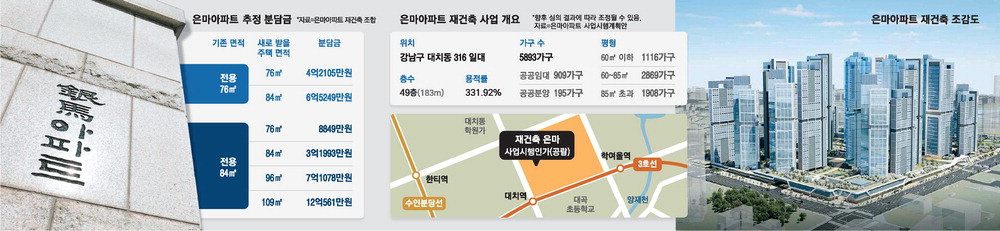
Eunma Apartment rebuild nears approval for 49-floor Daechi landmark
The Eunma Apartment reconstruction in Daechi-dong, Gangnam, is gaining speed as it nears project implementation approval. The plan for towers up to 49 floors could reshape the area’s skyline and new-home supply expectations. Education demand, reconstruction rules, costs and member contributions remain key variables.
Seoul Prepares Rent, Lending and Tax Data for Presidential Talks as Lease Costs Surge
Seoul is preparing to put rising jeonse, monthly rent and lending limits on the presidential agenda before next month’s tax reform. The package covers lease contracts by district, lending effects, possible tax pass-through and supply schedules. The core issue is whether tax, finance and supply policy can be coordinated before tenant costs rise further.
Seoul Starts The Dream House+ With 905 Public Homes for Youth and Students
The Dream House+, Seoul’s integrated youth housing policy brand, is moving into its first supply phase. A total of 905 public rental homes will be offered to young people and university students. The program turns the youth housing agenda announced in March into actual tenant recruitment. It is expected to help reduce rent pressure in Seoul’s high-cost renta
Seoul Apartments Over 20 Years Old Rise 5.48% in H1, Outpacing Newer Units
Seoul’s apartment market shifted in the first half from a new-build preference to older complexes with rebuilding potential. Apartments more than 20 years old rose 5.48%, the strongest gain by age group. High presale prices and tighter lending narrowed options for end users. Location and redevelopment feasibility will likely decide the next phase.
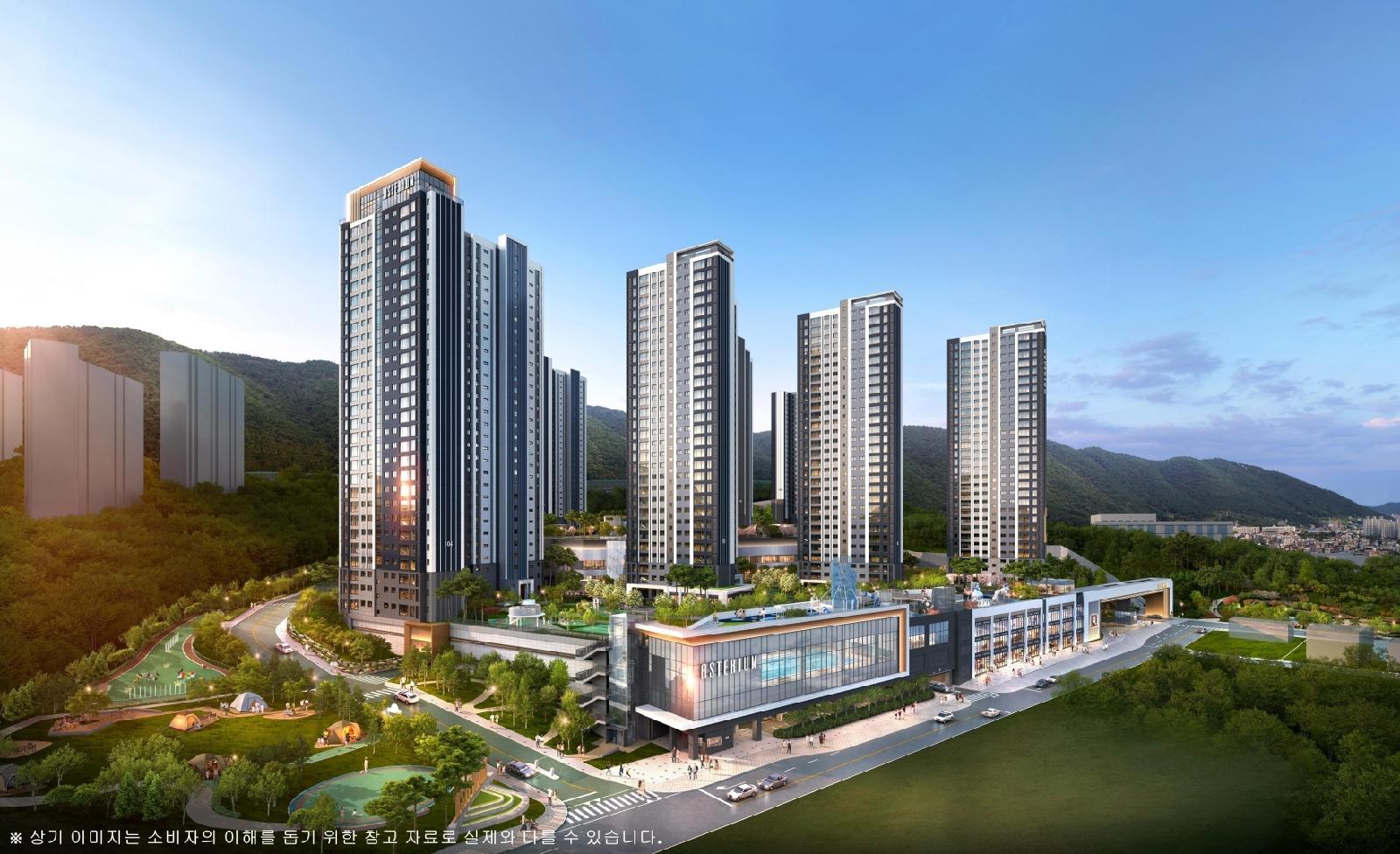
Dongbu’s Centreville Asterium Geoje Set for July Sale Near Shipyard Jobs
Dongbu Construction is preparing a July launch for Centreville Asterium Geoje in Sangdong-dong, Geoje. The project targets end-user demand tied to the city’s shipbuilding workforce. Its appeal rests on proximity to major shipyard job centers and the application of Dongbu’s high-end residential brand.

Apartment Public Price Appeals Hit Five-Year High, but Acceptance Stays Below 2%
Appeals against publicly assessed apartment prices rose to the highest level in five years after higher valuations increased tax concerns. Fewer than 2% led to adjustments. The assessed price matters because it affects property tax, comprehensive real estate tax and other household costs.
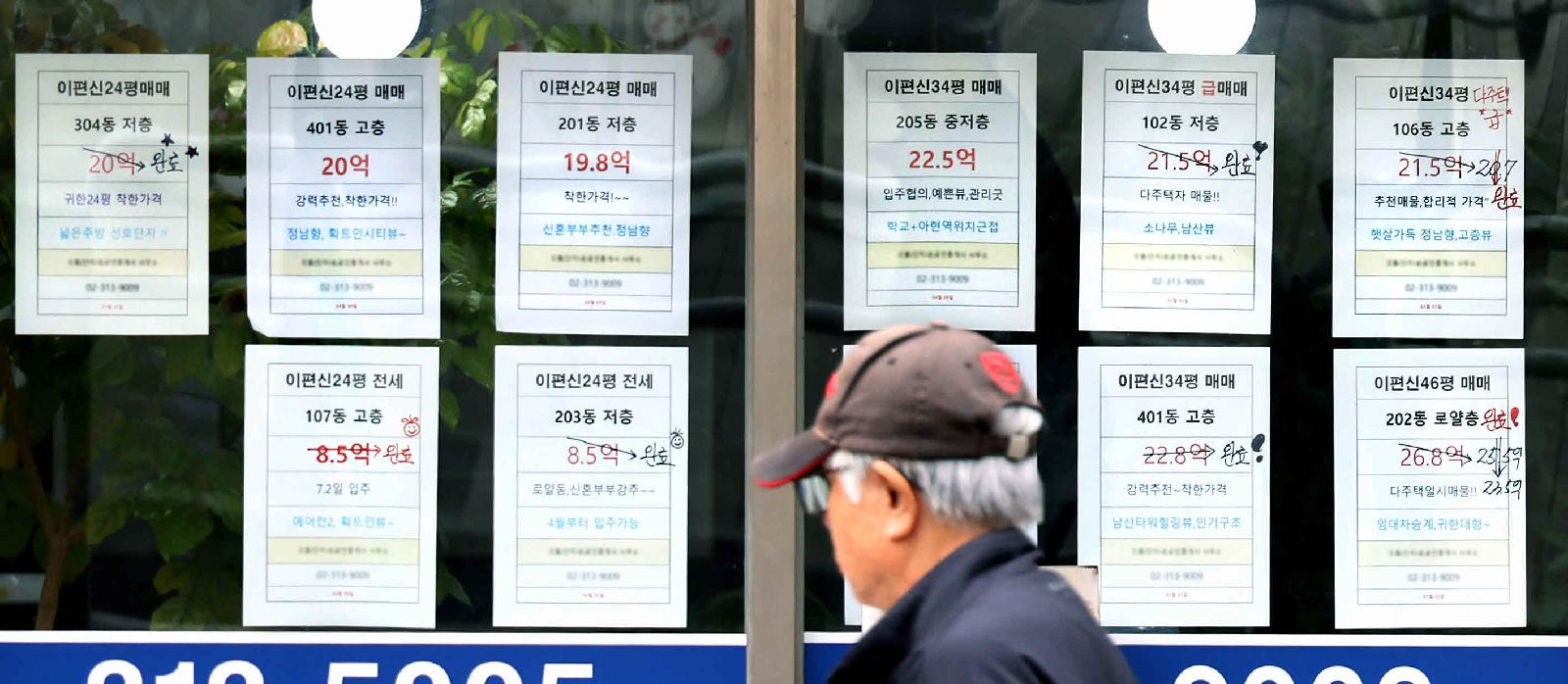
Seoul Median-Income Households Find Apartments Out of Reach Despite 6.8 Million Won Pay
Housing affordability for Seoul’s median-income households is weakening. A monthly income of roughly 6.8 million won is no longer enough when high apartment prices, lending caps and upfront cash needs overlap. Even under a 70% LTV assumption, taxes, fees and interest burdens reduce real purchasing power. The market is shifting toward buyers with large cash r