Seoul Metro Rental Housing Delays Hit 16,000 Units as Permits and Costs Stall Starts
About 16,000 newly built rental units in the Seoul metropolitan area are stuck before construction starts. The main bottlenecks are permits and land acquisition, while rising construction costs and financing burdens are adding pressure on the ground. The delay could weaken a key buffer in Korea’s rental market.
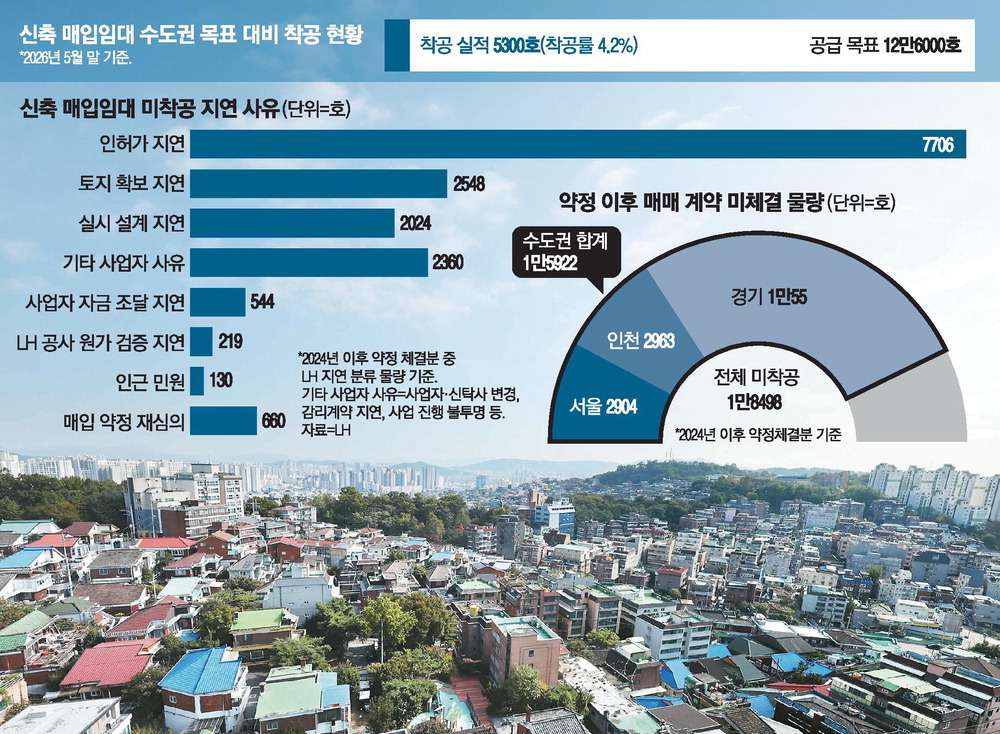
The supply of 16,000 newly built rental homes in the Seoul metropolitan area is failing to move smoothly from purchase agreements to construction starts. The plan was expected to expand public rental housing, but permitting delays, land acquisition problems, rising construction costs and tighter financing have slowed the pipeline. The core issue is no longer the supply target itself, but the ability to convert agreed projects into actual starts.
The toughest stage comes after agreements
New-build purchase rental housing works by having private developers build homes that the public sector later buys and operates as rentals. An agreement is only the starting point. Permits, land settlement, design changes, contractor selection and financing terms must all be aligned before construction can begin. If one step slips, the delivery timetable moves back. In the Seoul metro area, intense site competition and high land prices are making developers more cautious.
Costs and financing deepen the bottleneck
Permits and land acquisition are the main formal causes of delay. In the field, however, construction costs and financing conditions are just as decisive. Higher material and labor costs make it harder to maintain project viability under earlier agreement terms. When interest burdens rise, developers delay starts or seek revised project costs. If won-denominated construction costs remain high, public purchase prices, private profitability and rental supply speed are all pressured.
Rental-market buffer may weaken
The 16,000-unit figure is not just a headline number. In Seoul, Gyeonggi and Incheon, public rental supply helps reduce pressure in the jeonse and monthly rent markets. Delayed supply can narrow options for young people, newly married households and lower-income renters. It may also strengthen the perception of shortage in private rental markets, limiting downward pressure on rents.
The next test is shortening permitting timelines and making project costs more realistic. Sites with land acquisition problems need replacement options, while projects hit by cost inflation require refined purchase and financing structures. Policy focus is likely to shift from counting agreements to managing the rate at which projects actually break ground and reach completion.
Key points
- About 16,000 newly built rental units in the Seoul metropolitan area are stuck before construction starts. The main bottlenecks are permits and land acquisition, while rising construction costs and financing burdens are adding pressure on the ground. The delay could weaken a key buffer in Korea’s rental market.
- Use the body and FAQ context before acting on this update.
- Compare with related issues inside the category hub.
FAQ
Why is Seoul metropolitan rental housing supply delayed?
Projects are struggling to move from agreements to construction because of permits, land acquisition, higher construction costs and financing burdens.
How many units are affected?
About 16,000 newly built purchase rental units in the Seoul metropolitan area are delayed before construction starts.
How could renters be affected?
Delayed public rental supply may reduce options for young, newly married and lower-income renters while weakening a price buffer in the rental market.
Latest stories
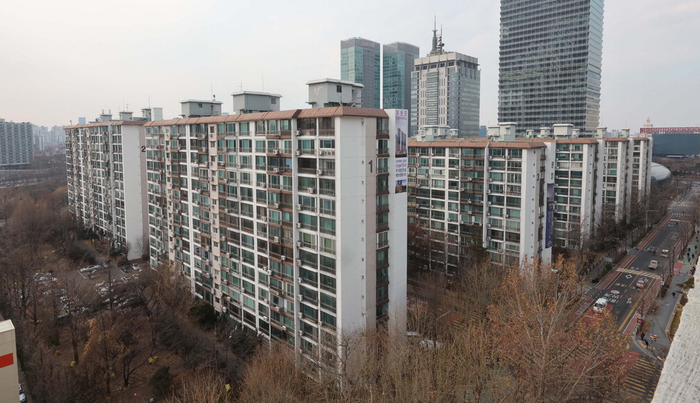
Gangnam Reconstruction Enters Era of 1 Billion Won Contributions
Gangnam reconstruction is no longer a guaranteed wealth engine. Rising construction and financing costs can push additional member contributions toward 1 billion won. Investors must examine project feasibility, payment capacity and presale revenue before relying on location alone.
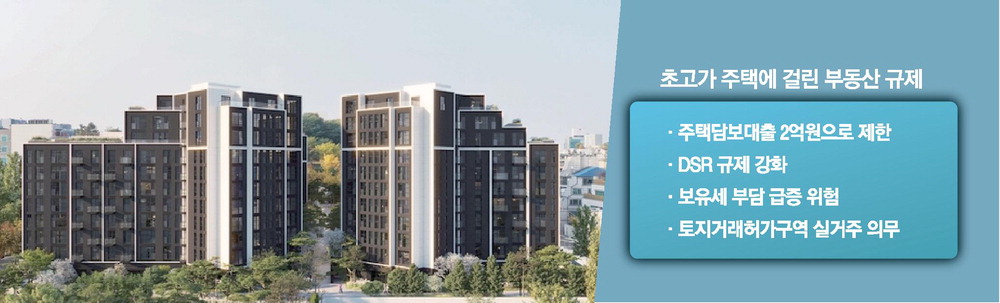
Ultra-Luxury Rent-to-Own Apartments Face a Regulatory Test in Gangnam and Yeouido
Luxury private rental apartments in Gangnam and Yeouido are moving into the sales conversion phase. Tenants who planned to buy after renting must now calculate loan limits, acquisition taxes, holding taxes and conversion prices together. The outcome may affect nearby new-build prices and demand for premium rental products in Seoul.
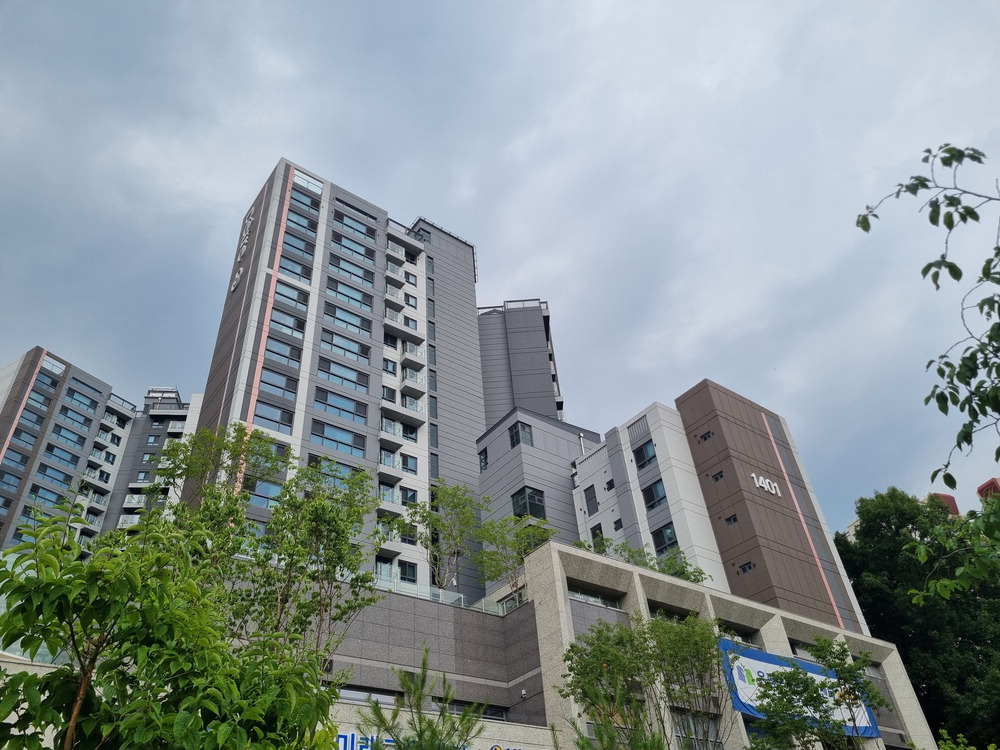
Public-Supported Private Rental Deposit Hike Sparks Backlash After Just One Year
A public-supported private rental apartment is facing controversy after a deposit increase emerged just one year after occupancy. Residents say the move conflicts with the promise of up to 10 years of stable residence. Daebang Construction’s handling of rental terms has become a key issue. The case is expected to renew scrutiny of tenant protection and trans

Seoul Station Apartments Gain Value as a Base for Nationwide Commuting
Apartments near Seoul Station are being revalued as homes that support commuting beyond the Seoul metro area. A pharmacist in his 40s travels daily from Seoul to Iksan while keeping his family’s life base in the capital. The case shows how rail access, transfer efficiency and predictable travel time now shape housing demand.
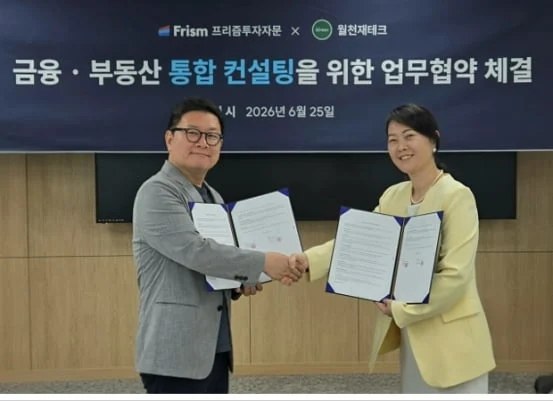
Prism Investment Advisory and Wolcheon Jaetech Sign Integrated Finance-Real Estate Consulting MOU
Prism Investment Advisory and Wolcheon Jaetech have agreed to strengthen integrated finance-real estate consulting. The partnership combines Prism’s long-term asset allocation approach with Wolcheon Jaetech’s real estate and wealth-content capabilities. Demand is rising for advice that reviews financial assets, housing, debt, taxes and cash flow together.
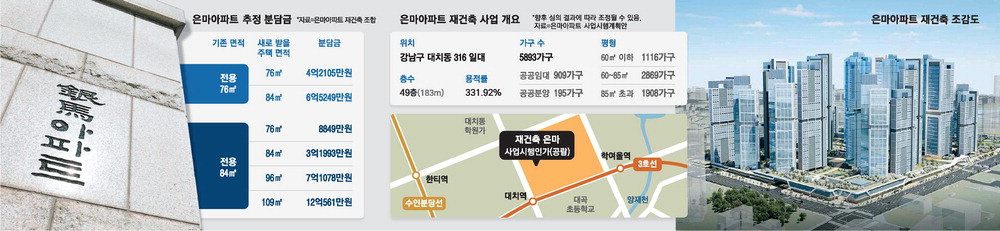
Eunma Apartment rebuild nears approval for 49-floor Daechi landmark
The Eunma Apartment reconstruction in Daechi-dong, Gangnam, is gaining speed as it nears project implementation approval. The plan for towers up to 49 floors could reshape the area’s skyline and new-home supply expectations. Education demand, reconstruction rules, costs and member contributions remain key variables.
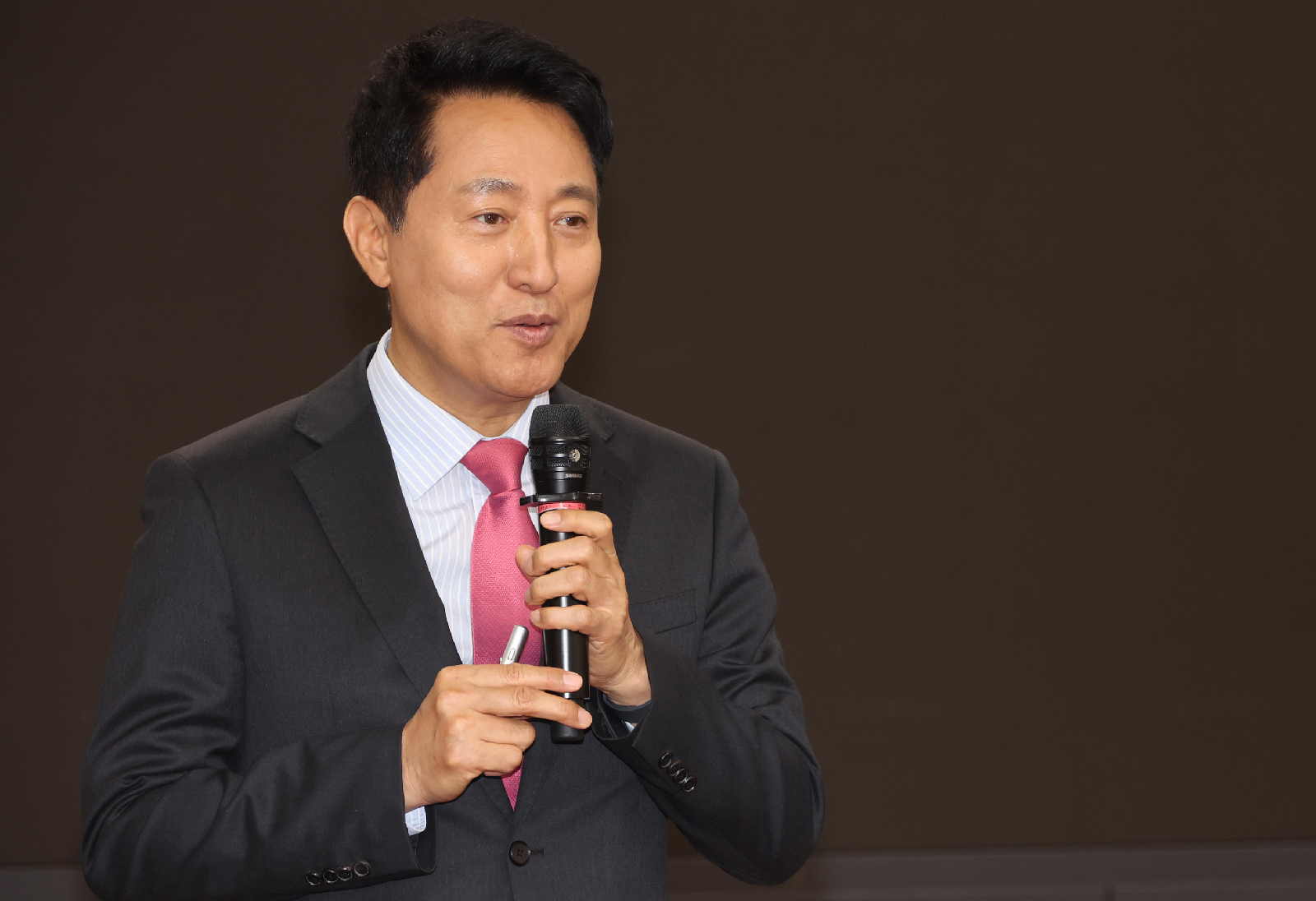
Seoul Prepares Rent, Lending and Tax Data for Presidential Talks as Lease Costs Surge
Seoul is preparing to put rising jeonse, monthly rent and lending limits on the presidential agenda before next month’s tax reform. The package covers lease contracts by district, lending effects, possible tax pass-through and supply schedules. The core issue is whether tax, finance and supply policy can be coordinated before tenant costs rise further.
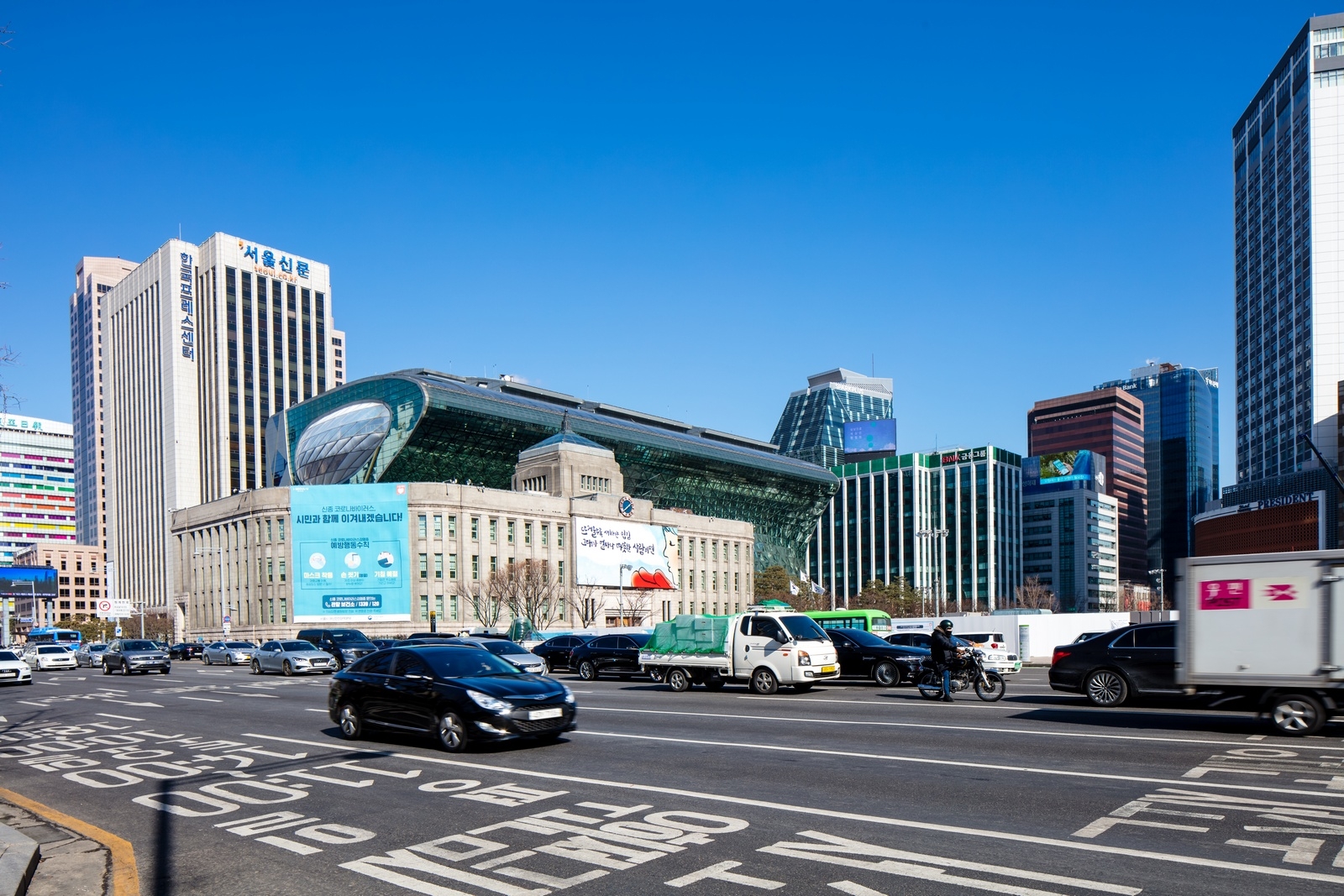
Seoul Starts The Dream House+ With 905 Public Homes for Youth and Students
The Dream House+, Seoul’s integrated youth housing policy brand, is moving into its first supply phase. A total of 905 public rental homes will be offered to young people and university students. The program turns the youth housing agenda announced in March into actual tenant recruitment. It is expected to help reduce rent pressure in Seoul’s high-cost renta