OECD-Style Property Tax Shift Puts Korea’s Housing Tax System Under Review
Korea’s property-related tax burden stands above the OECD average, yet much of the pressure falls at the point of transaction. The proposed direction is to raise recurrent housing taxes while lowering taxes on purchases and transfers. Tobacco tax increases and a single corporate tax rate also move the debate beyond real estate.
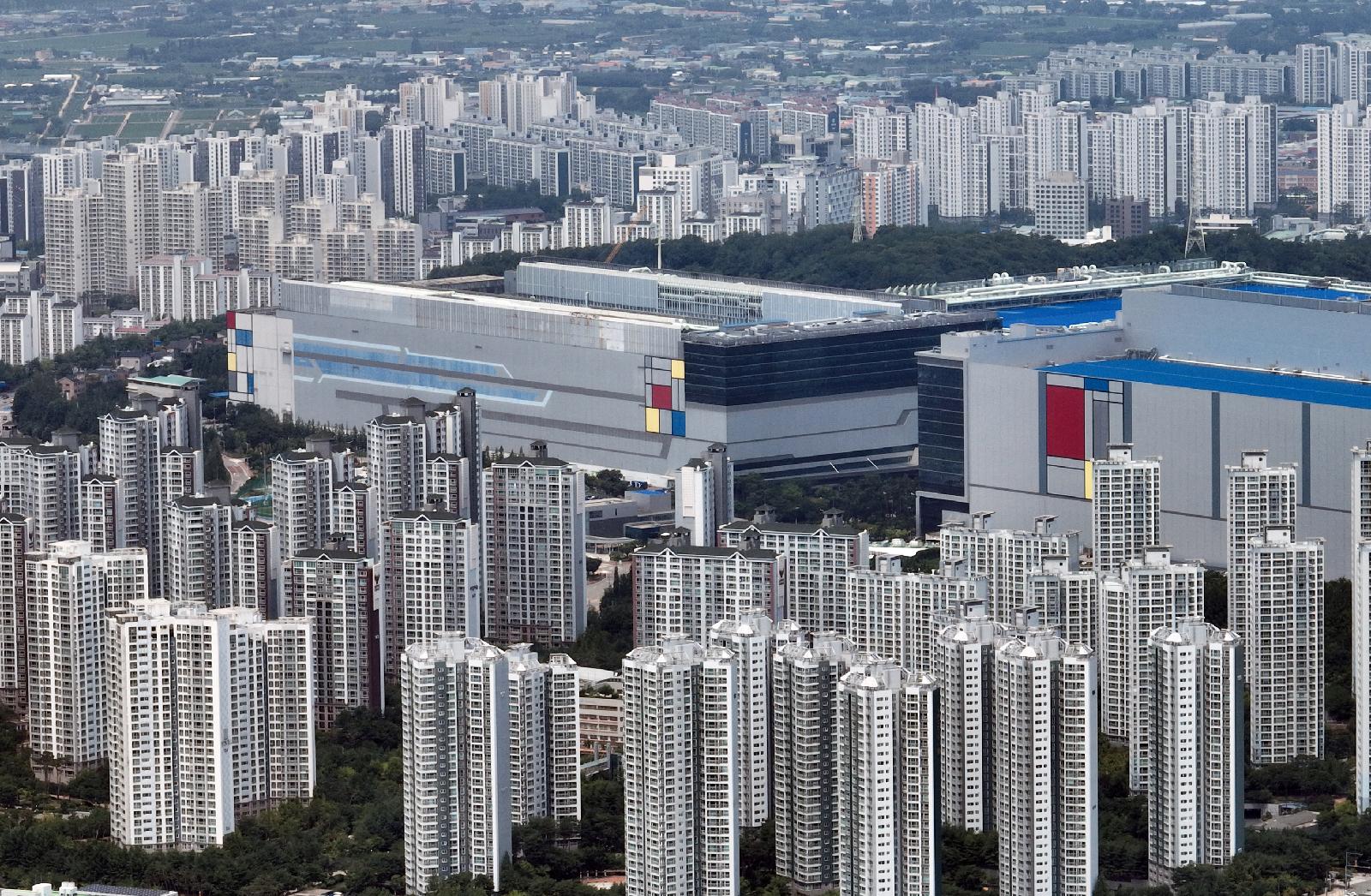
Korea’s property tax debate is shifting from transactions to ownership. The OECD has set out a direction that raises the role of recurrent housing taxes while reducing reliance on purchase and transfer taxes. The goal is to ease tax barriers that discourage moving, trading up, or reallocating homes.
Lower transaction burden
Korea’s buyers face heavy upfront costs. Standard acquisition tax on homes generally starts from the 1% to 3% range by taxable value, with heavier rules for multiple-home owners, corporations, and regulated areas. Local education and rural development surtaxes can lift the won-denominated cash bill further. Holding taxes, including property tax and comprehensive real estate tax, are charged annually based on assessed value, taxable base, deductions, and policy ratios.
Market impact
Lower transaction taxes could help Seoul and other high-cost markets by reducing initial cash needs for buyers. It may support trade-up demand and practical relocation. Higher holding taxes would raise long-term costs for multiple-home owners and owners of expensive homes. Retirees with low income, long-term single-home owners, and possible rent pass-through require separate safeguards.
Wider tax redesign
The debate also includes higher tobacco taxes and a move from tiered corporate tax rates to a single rate. If Korea rewrites the system, the central issues will be revenue neutrality, local government finances, housing stability, rent effects, and protection for vulnerable households.
Key points
- Korea’s property-related tax burden stands above the OECD average, yet much of the pressure falls at the point of transaction. The proposed direction is to raise recurrent housing taxes while lowering taxes on purchases and transfers. Tobacco tax increases and a single corporate tax rate also move the debate beyond real estate.
- Use the body and FAQ context before acting on this update.
- Compare with related issues inside the category hub.
FAQ
What is the core OECD-style property tax reform for Korea?
It raises recurrent housing taxes while lowering transaction taxes such as acquisition and transfer taxes to reduce barriers to moving and trading homes.
How could lower transaction taxes affect the housing market?
They could reduce buyers’ upfront cash burden and support relocation or trade-up demand, though prices and volume still depend on rates, lending, and supply.
Who would feel higher holding taxes most?
Multiple-home owners and owners of high-value homes would face higher long-term costs. Low-income elderly single-home owners may need safeguards.
Latest stories
Officetel Prices Rise as Seoul’s Large and Mid-Large Units Gain on Apartment Substitution Demand
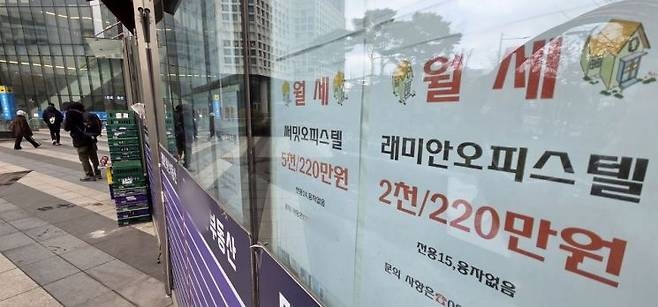
Officetel sale prices increased 0.07% in the capital region and 0.39% in Seoul. Demand is shifting toward larger residential-style officetels as apartment purchases become harder. Seoul’s large units rose 2.15% and mid-large units 1.06%, while small and ultra-small units fell. The average Seoul officetel sale price stood at 308.72 million won.

Noryangjin New Town’s Final Offering Tests Seoul Buyers
The final Noryangjin New Town offering of the year is a key test for new-apartment demand in Dongjak-gu. The district is being reshaped across about 730,000 square meters, 8 redevelopment zones and roughly 9,000 homes. Buyers must weigh price, loans, resale limits and occupancy rules before using a subscription account.
Dongtan Apartment Prices Jump Over 4% in a Month as Seoul Gains Spread North of the Han
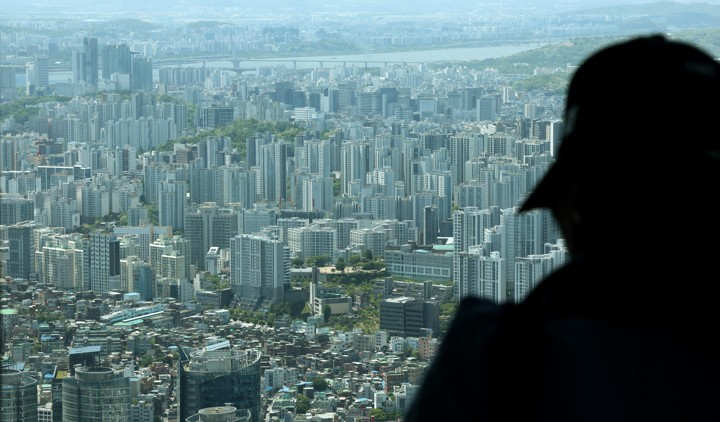
Dongtan has become a key hotspot in the Seoul metropolitan housing market after apartment prices rose by more than 4% in one month. In Seoul, gains are no longer limited to Gangnam and are spreading to relatively affordable districts including Dongdaemun, Seongbuk and Gwangjin. Demand is shifting toward mid-priced homes with better entry points.
Jangwi New Town Opens 1,032-Home Sale, Seoul’s Biggest Supply in 19 Months
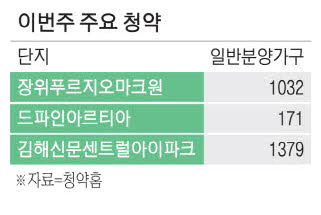
Jangwi New Town’s 1,032-home subscription has become the key Seoul housing sale of the week. Nationwide, 6,986 homes at 14 sites will receive applications through July 3. It is Seoul’s largest supply since Seoul One I-Park in 2024, testing demand for large new redevelopment complexes.
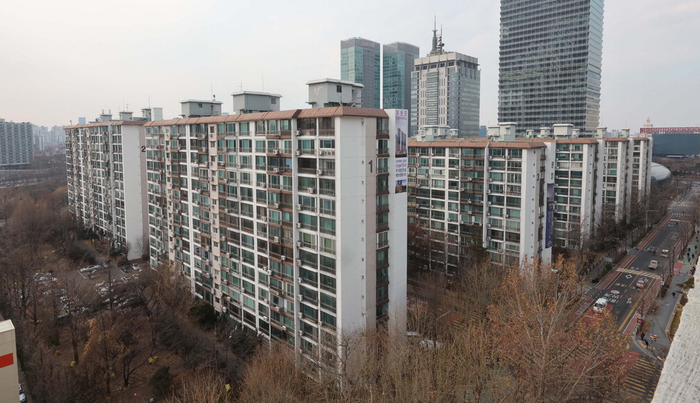
Gangnam Reconstruction Enters Era of 1 Billion Won Contributions
Gangnam reconstruction is no longer a guaranteed wealth engine. Rising construction and financing costs can push additional member contributions toward 1 billion won. Investors must examine project feasibility, payment capacity and presale revenue before relying on location alone.
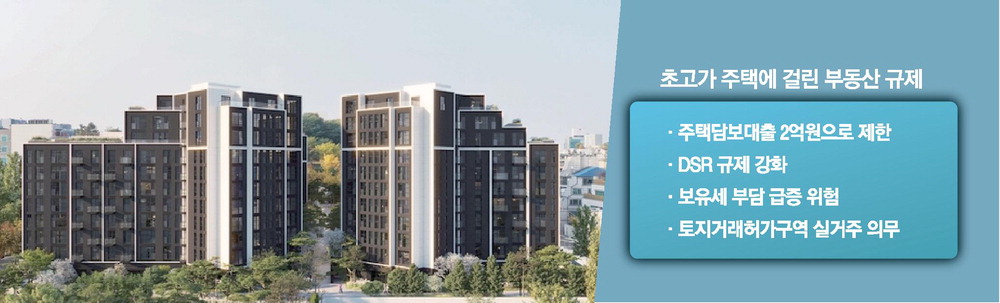
Ultra-Luxury Rent-to-Own Apartments Face a Regulatory Test in Gangnam and Yeouido
Luxury private rental apartments in Gangnam and Yeouido are moving into the sales conversion phase. Tenants who planned to buy after renting must now calculate loan limits, acquisition taxes, holding taxes and conversion prices together. The outcome may affect nearby new-build prices and demand for premium rental products in Seoul.
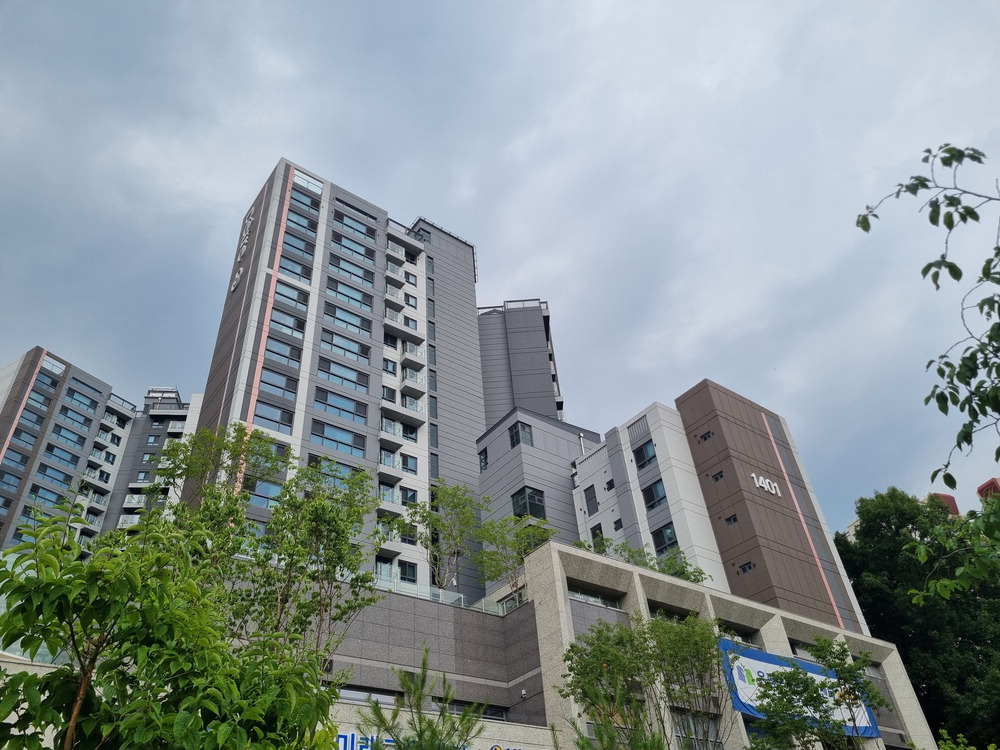
Public-Supported Private Rental Deposit Hike Sparks Backlash After Just One Year
A public-supported private rental apartment is facing controversy after a deposit increase emerged just one year after occupancy. Residents say the move conflicts with the promise of up to 10 years of stable residence. Daebang Construction’s handling of rental terms has become a key issue. The case is expected to renew scrutiny of tenant protection and trans

Seoul Station Apartments Gain Value as a Base for Nationwide Commuting
Apartments near Seoul Station are being revalued as homes that support commuting beyond the Seoul metro area. A pharmacist in his 40s travels daily from Seoul to Iksan while keeping his family’s life base in the capital. The case shows how rail access, transfer efficiency and predictable travel time now shape housing demand.